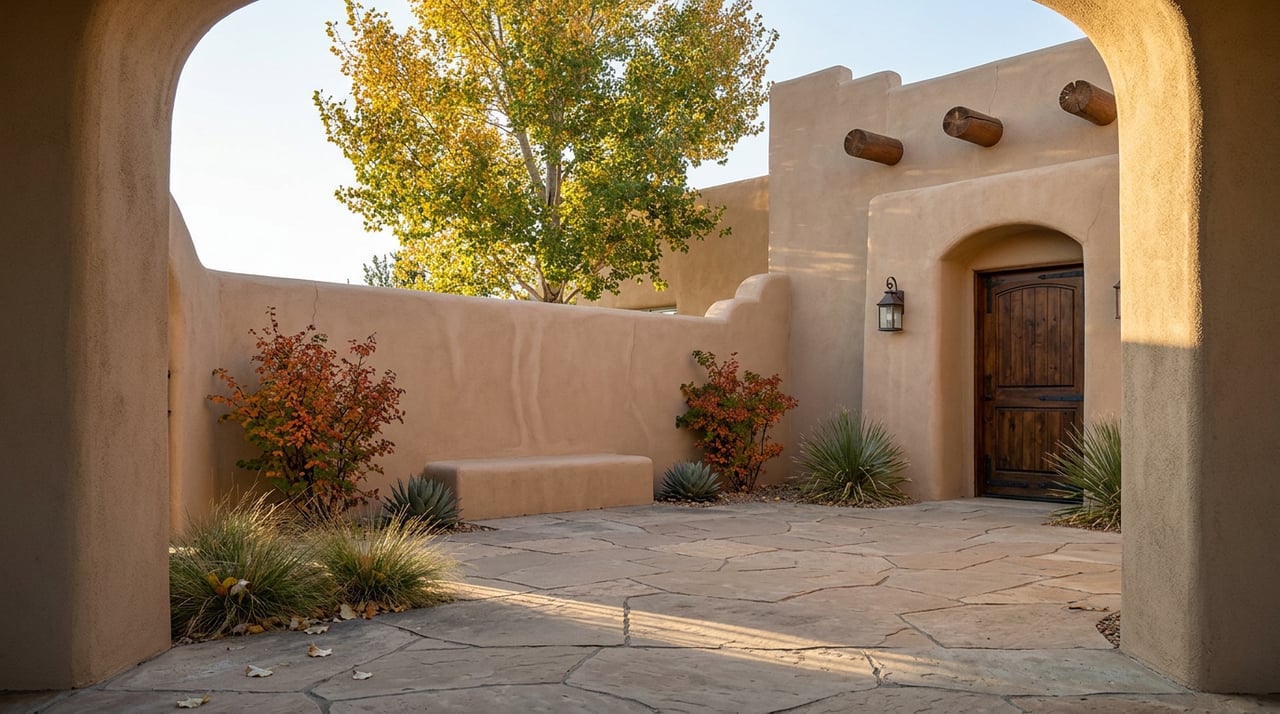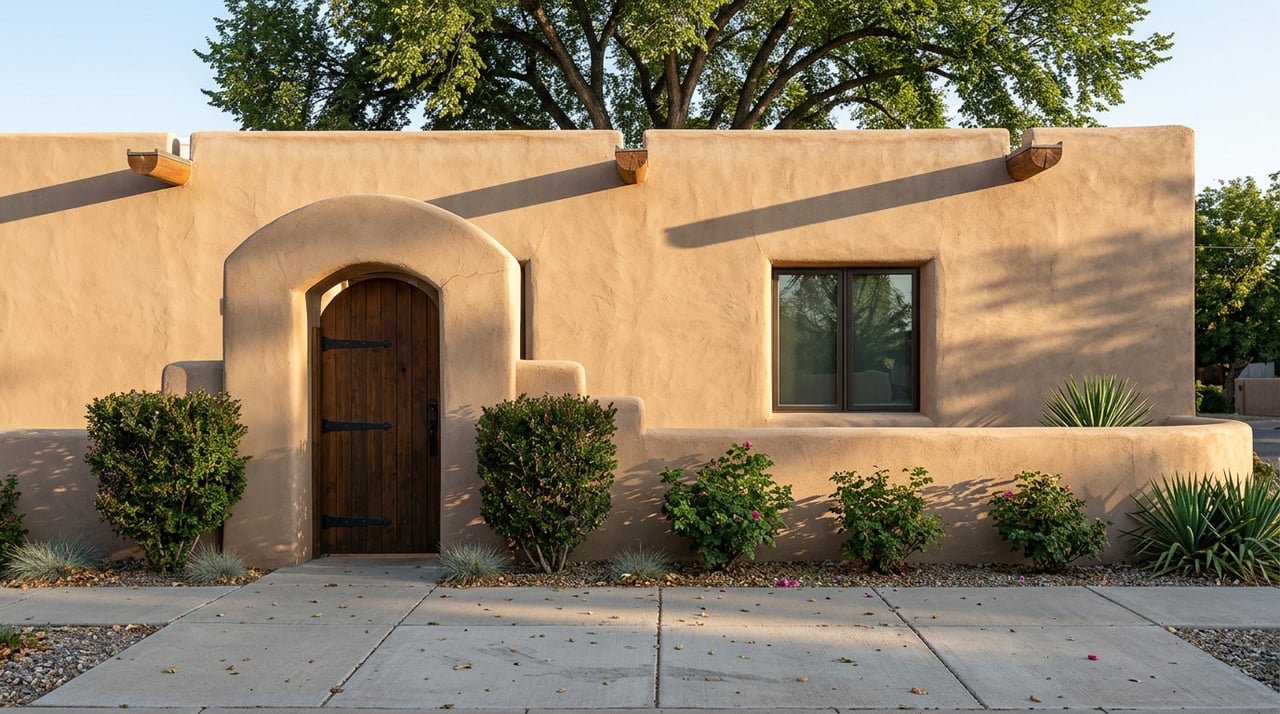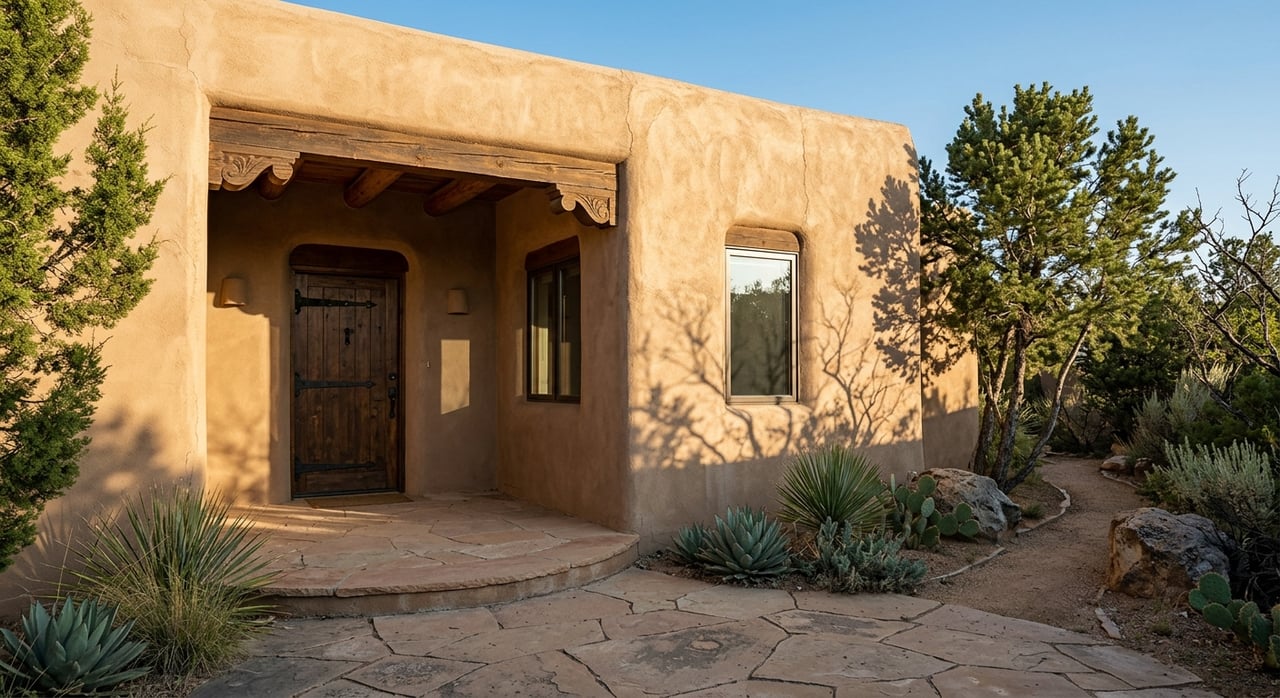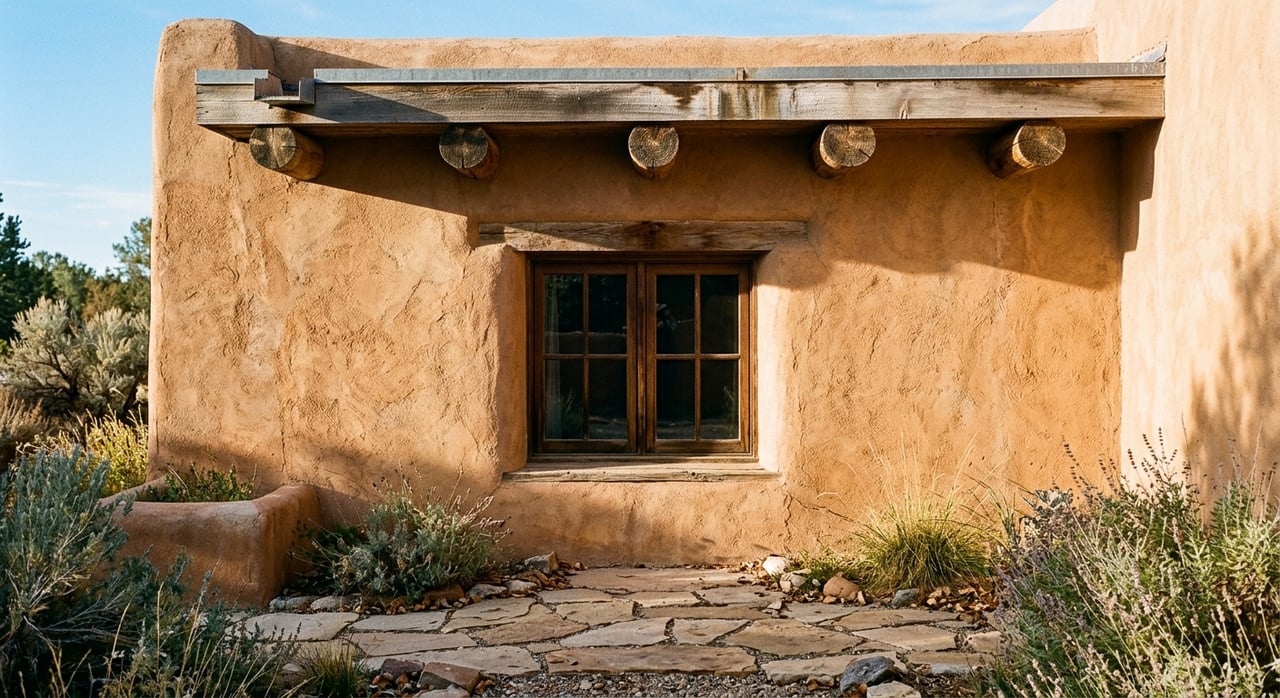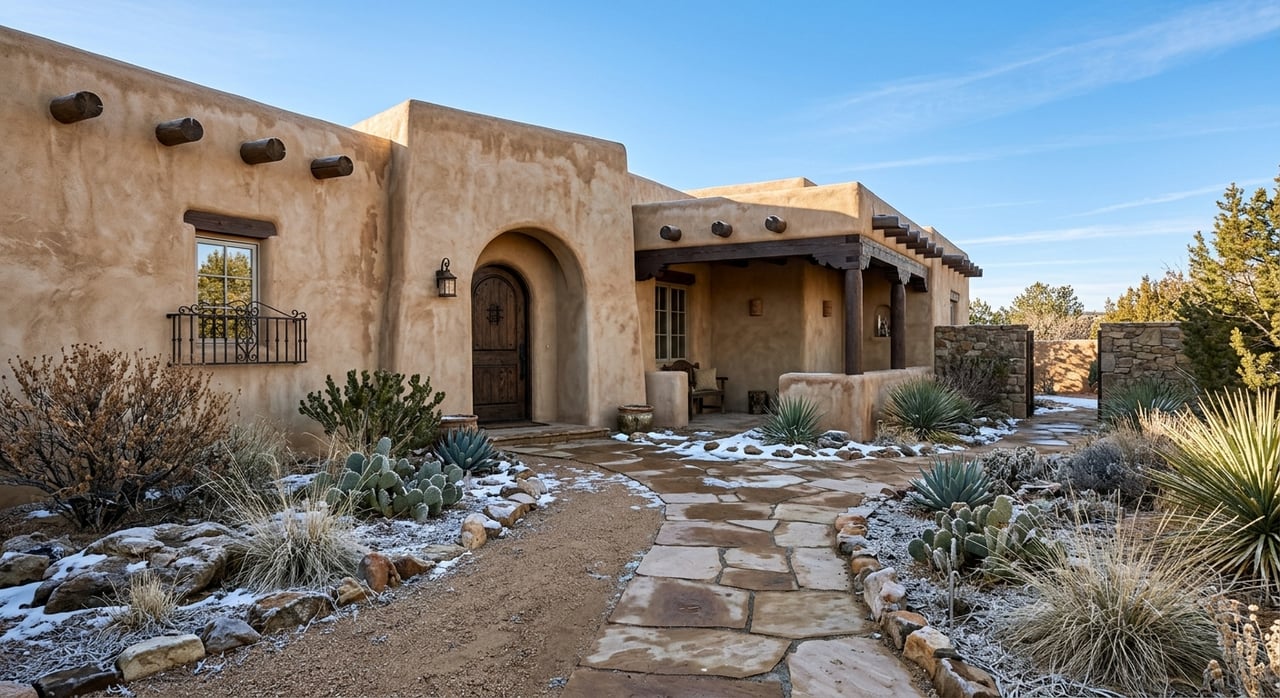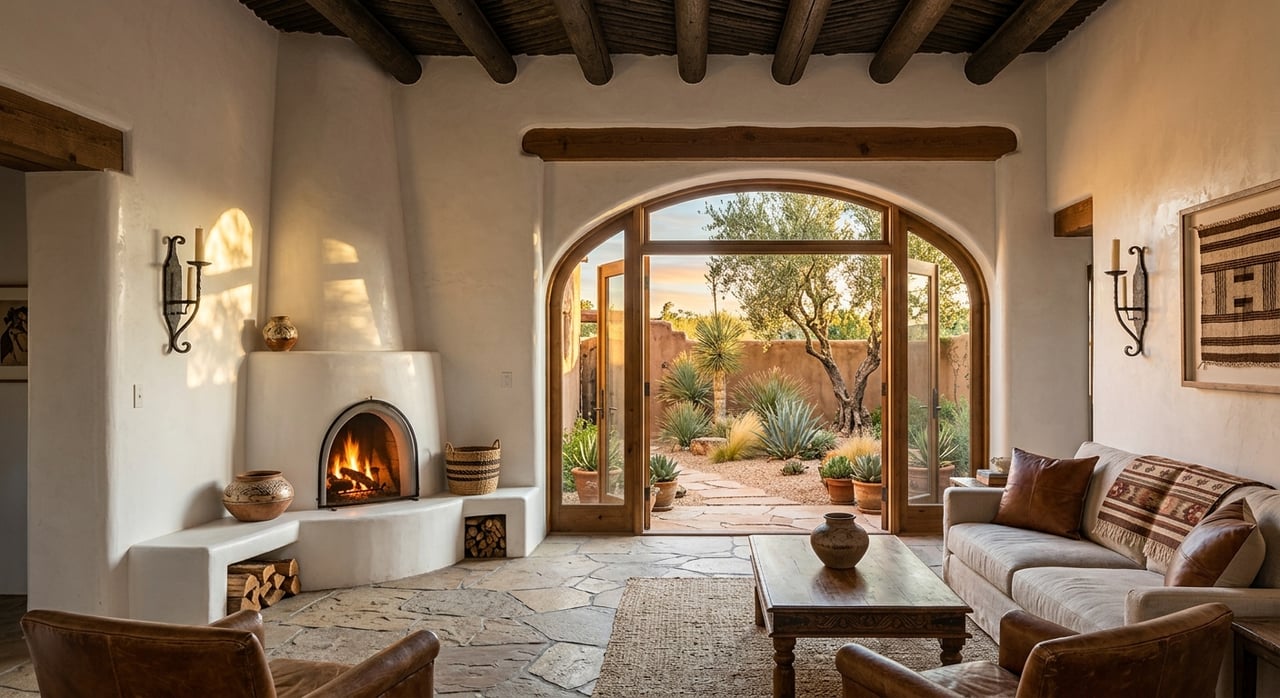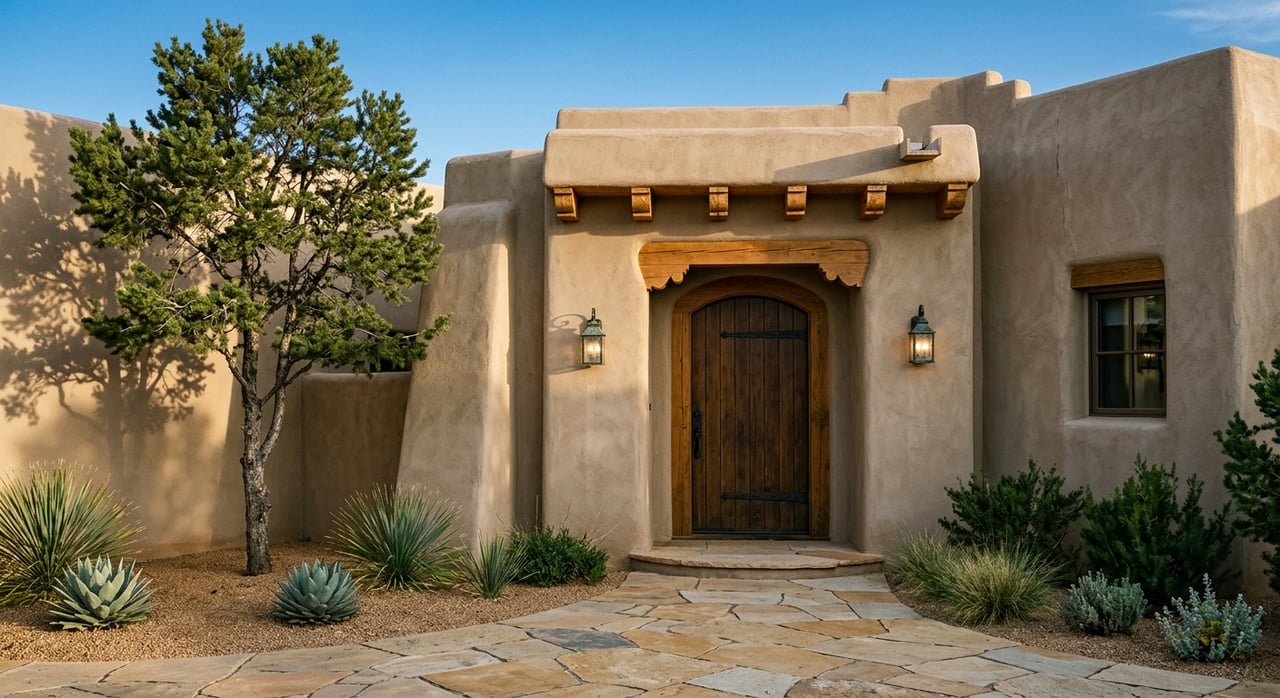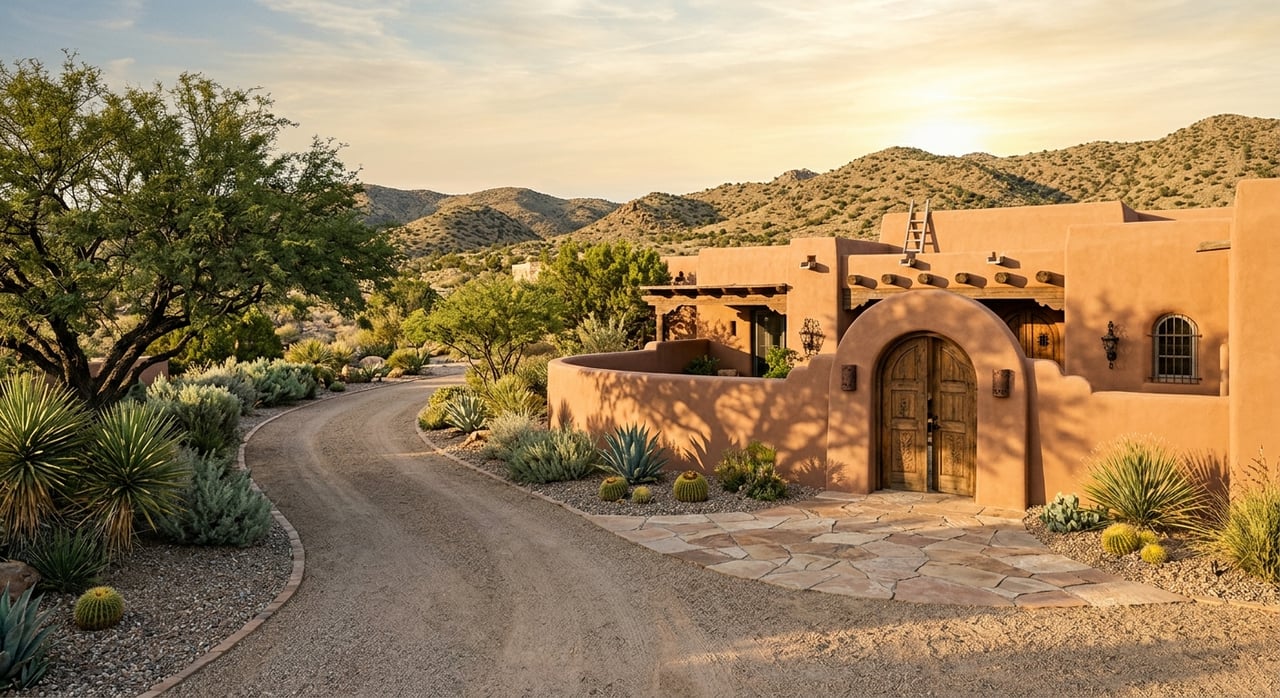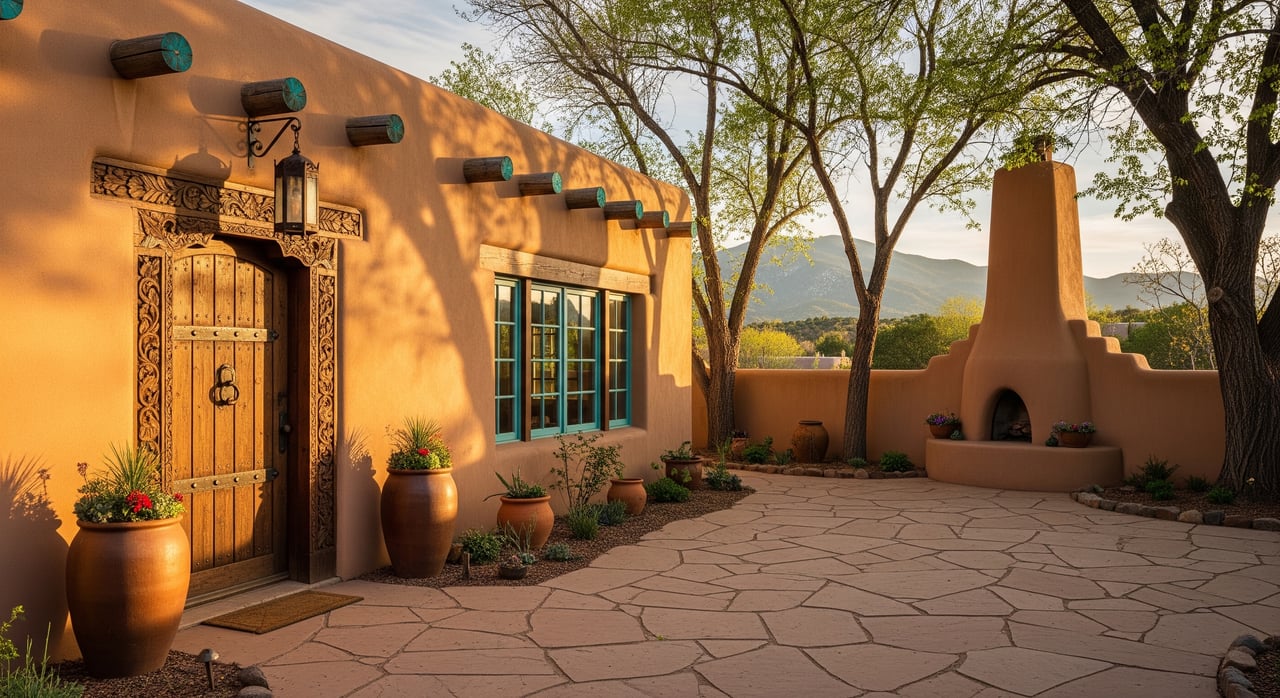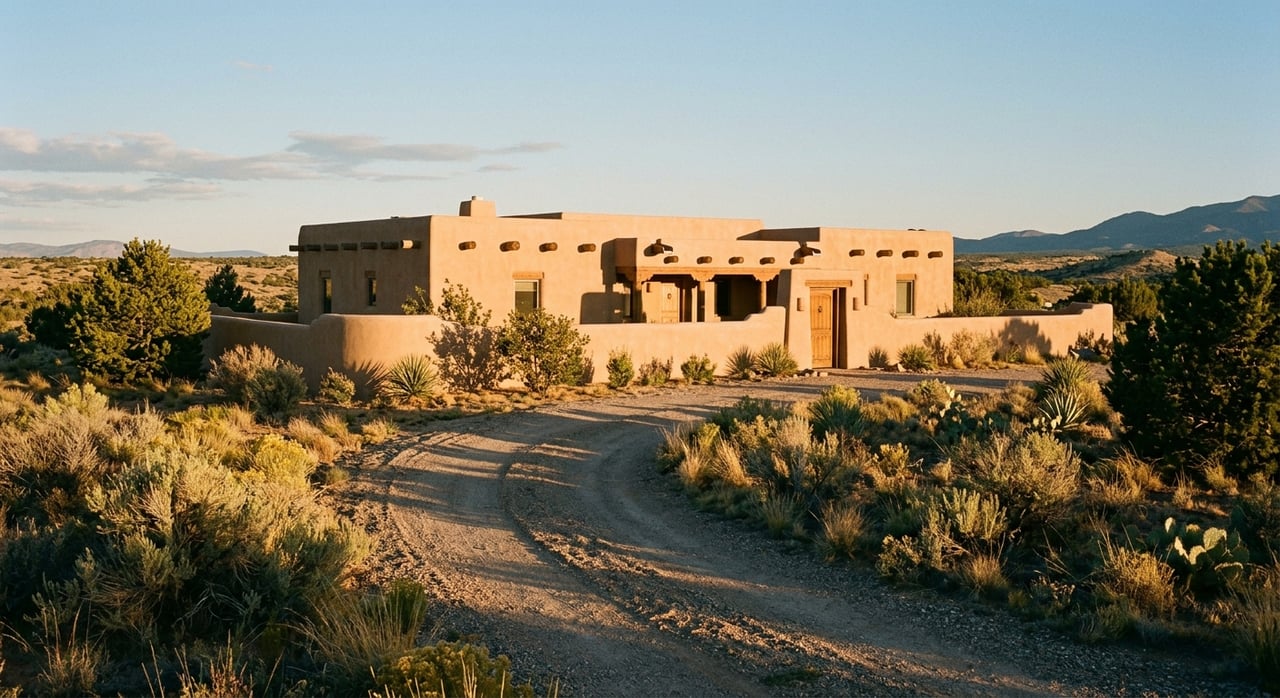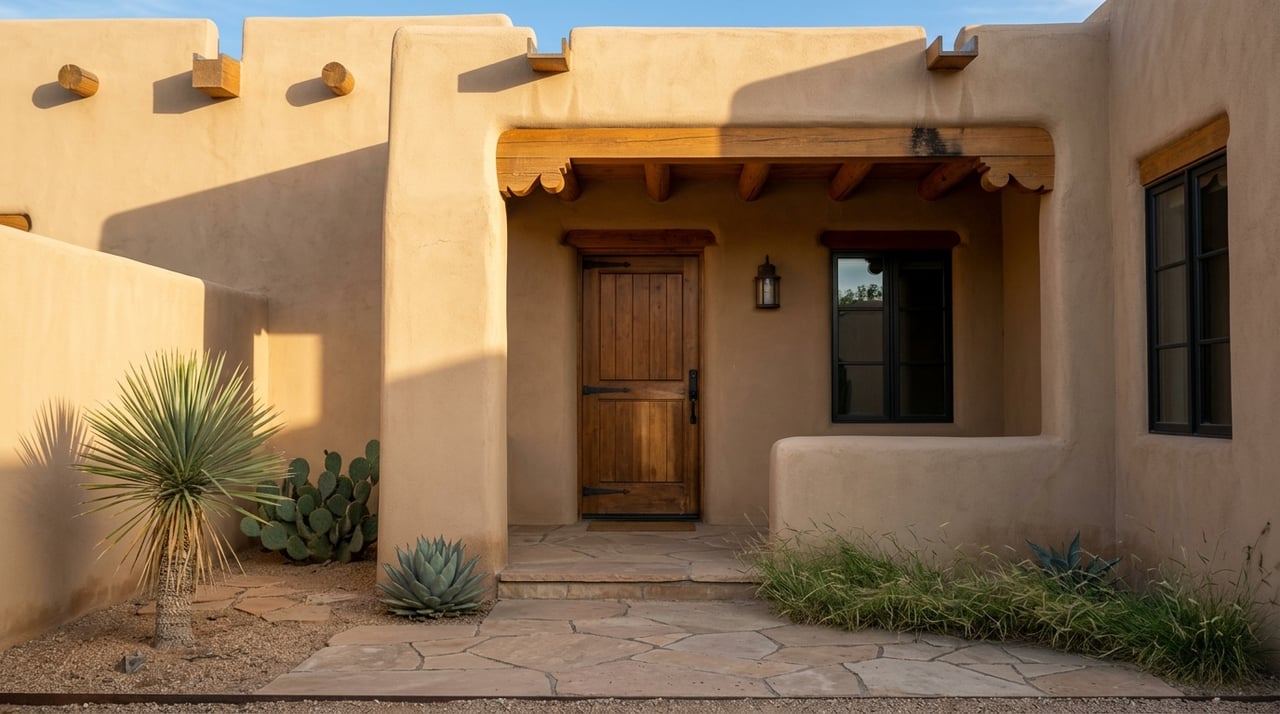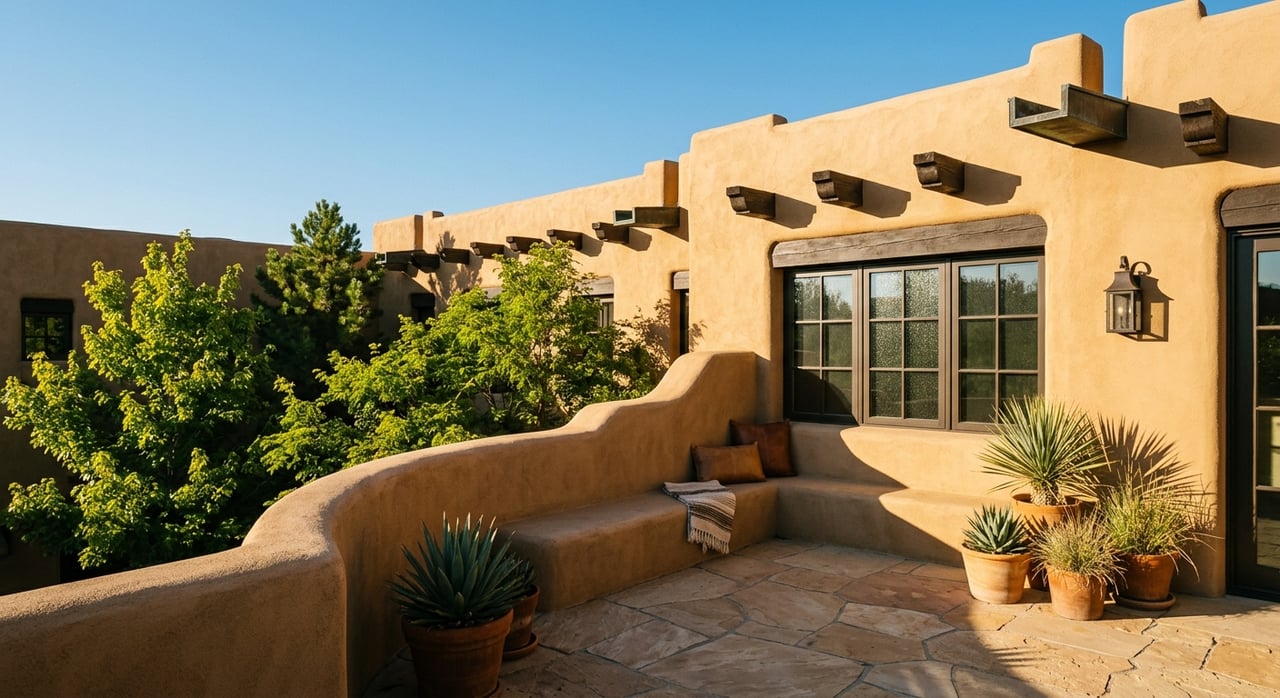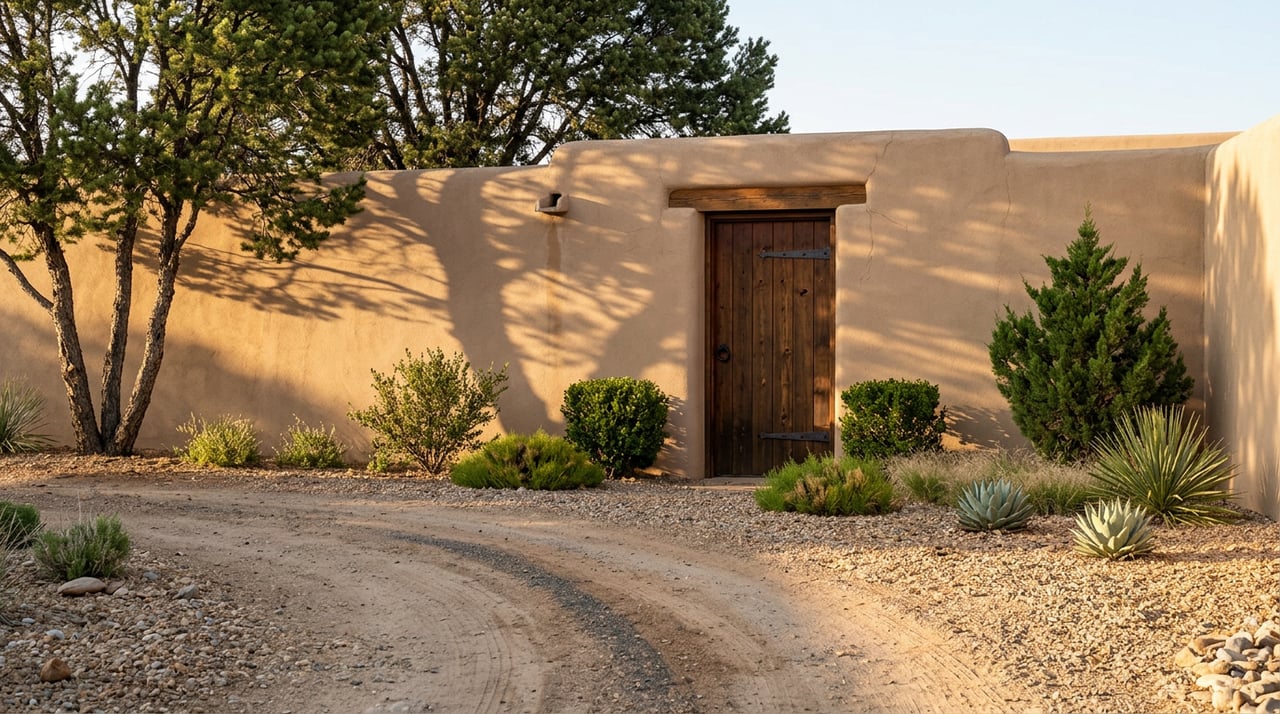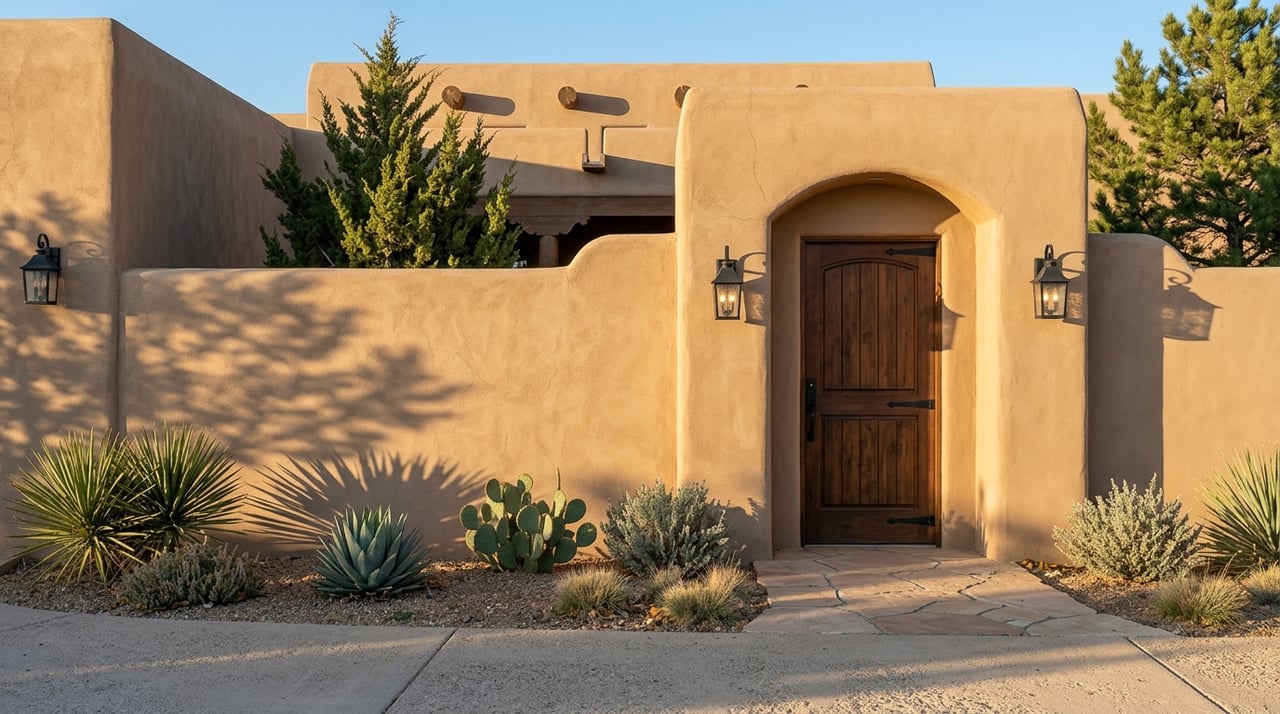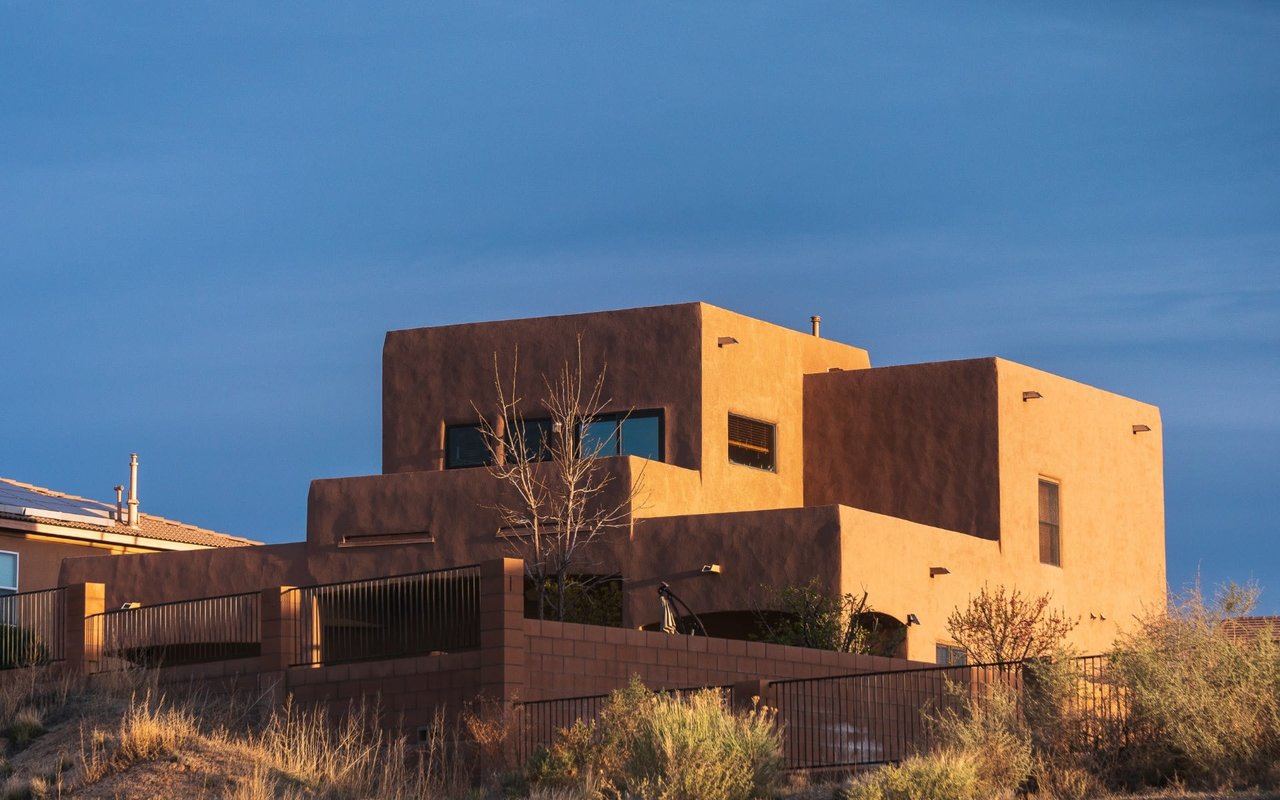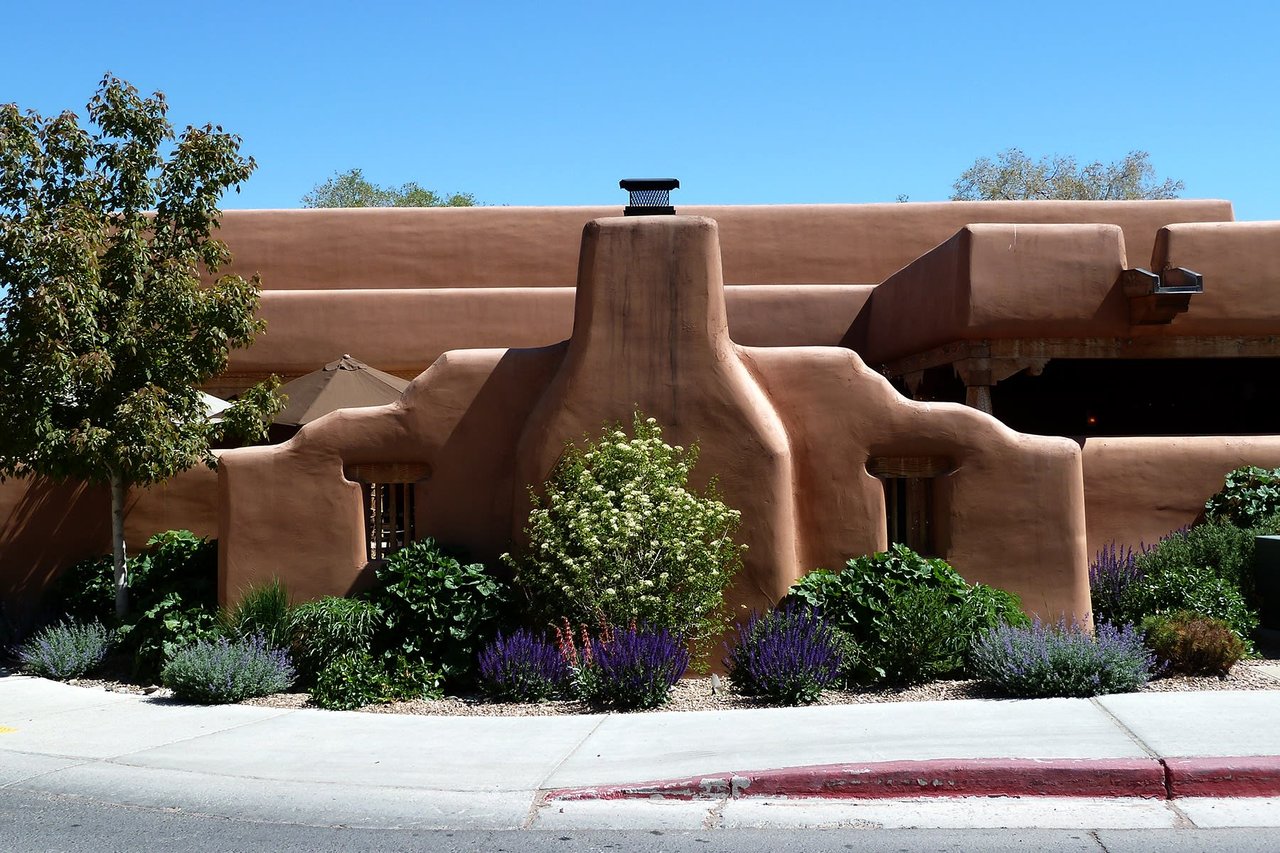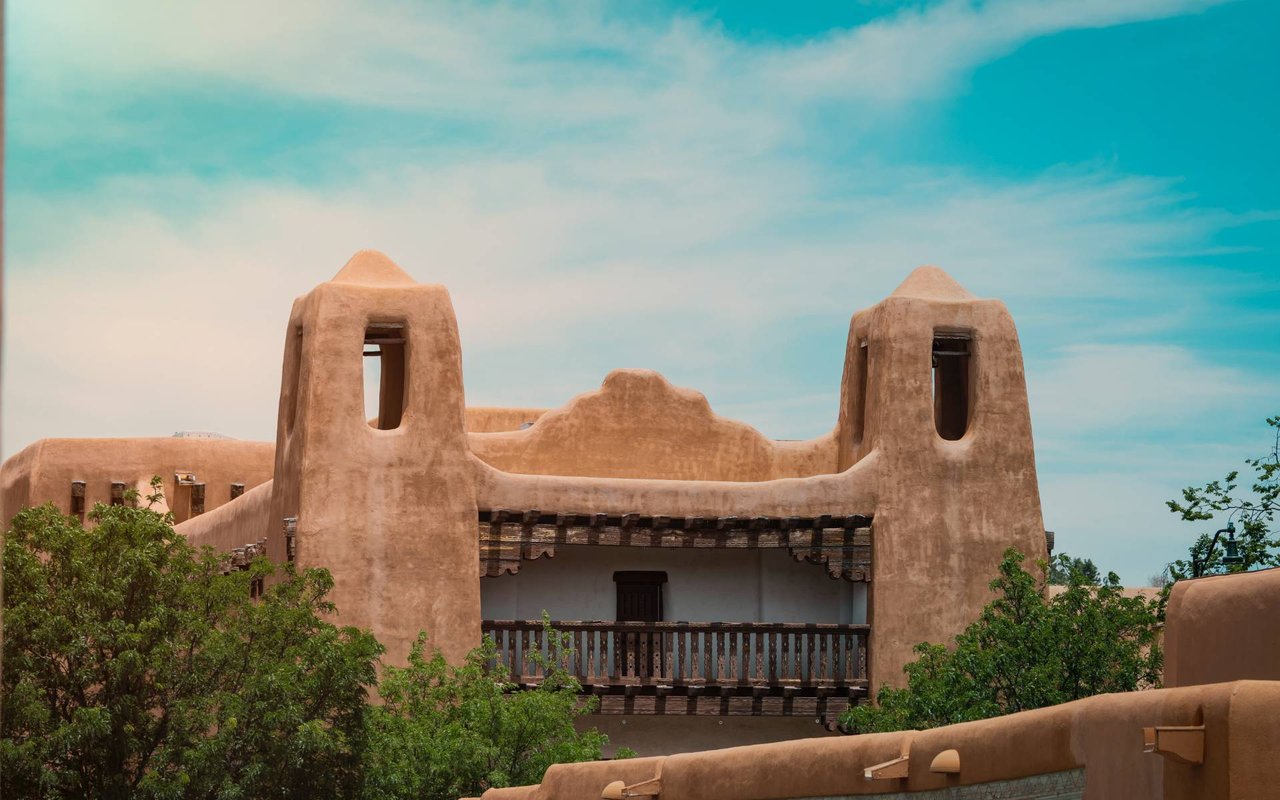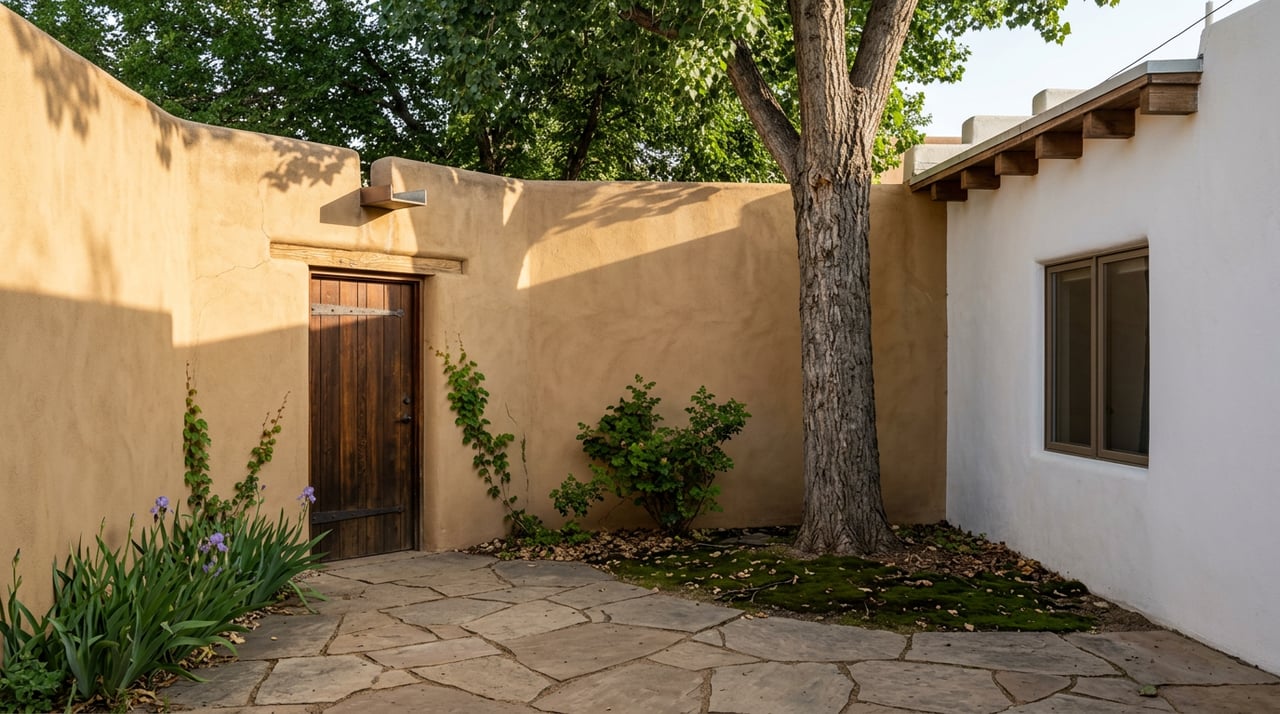
Ask anyone who has lived near Canyon Road for more than a few years what's happening on the street, and you'll likely get a shrug. Galleries, sure. Tourists in the summer. The Farolito Walk on Christmas Eve. Nothing changes, they'll say, because nothing ever needs to. The adobe walls have looked the same since before their grandparents moved here, and the gallery names blur together into one long, familiar wall of paintings and bronze.
That assumption is wrong in a specific way, and the specifics matter. Canyon Road is one of the more restless half-miles in Santa Fe. Businesses there don't so much open and close as shuffle within a few doors of themselves, shows rotate on a calendar most residents never check, and the pace of that turnover is easy to miss precisely because it happens in such small increments. Meanwhile, the actual fixed points of the neighborhood, the places that have not moved an inch in generations, sit a block or two off the gallery row where almost nobody thinks to look for them. If you live in the Historic Eastside, the version of Canyon Road worth paying attention to isn't the one you already have memorized. It's the one quietly rearranging itself under your nose.
A Gallery Moved Three Doors Down and Nobody Noticed
Canyon Road Contemporary Art has represented painters, sculptors, and glass artists on the street for more than three decades. In recent seasons it relocated, not off the street, not out of the neighborhood, but a short walk down the block to a new space at 409 Canyon Road. The gallery still shows the same roster, the same mix of oil, watercolor, bronze, and kiln-formed glass that has anchored its identity since it first opened. What changed is the address, and the fact that almost nobody who isn't already tracking gallery real estate would notice.
That's the pattern worth naming. Canyon Road rarely loses a business outright. It reshuffles them. A gallery moves down the street, a restaurant changes hands but keeps the name, a boutique swaps its storefront with the shop next door during a lease renewal. From the sidewalk, the street looks permanent. Underneath, it's in constant, low-grade motion, and most of that motion is invisible unless you're the kind of person who walks the same half-mile often enough to notice a door that used to be locked is suddenly propped open with new work inside.
What's Actually on the Walls Right Now
If you haven't walked Canyon Road since early summer, here's what you missed and what you still have time to catch. Turner Carroll Gallery is currently showing the Christo and Jeanne-Claude Family Collection, on view through September 20. The exhibition pairs the couple's work with never-before-seen process material from Landfall Press, the print publisher whose founder, Jack Lemon, worked closely with the couple on the three-dimensional prints that helped fund their large-scale outdoor projects. It's the kind of show that won't repeat itself once it closes, and as of this week, there are roughly four weeks left to see it.
A few blocks up, Legacy Gallery hosted "A Weekend with Paul Rhymer" in late July, a two-day event built around a single artist's work rather than a group show. It came and went the way most Canyon Road programming does: announced weeks in advance to a mailing list, attended by people who already knew to look, and invisible to everyone else. Between the two, you get a fair picture of how the street actually operates. It isn't one static gallery district. It's a rotating calendar of exhibitions layered on top of a street that looks, from the outside, like it never changes its wallpaper.
The Blocks Behind the Galleries Haven't Moved at All
Here's the part of the neighborhood that actually deserves the word permanent. Step off Canyon Road itself, onto the side streets and lanes that most gallery visitors never wander into, and you find the handful of places that have genuinely not changed in the way the storefronts have.
- Johnnie's Cash Store, at 420 Camino Don Miguel, has been in business since 1946 in the same brick-by-brick adobe building. It's still a stop for tamales and cold drinks, the kind of place that outlasts every gallery rotation on the street a few blocks away.
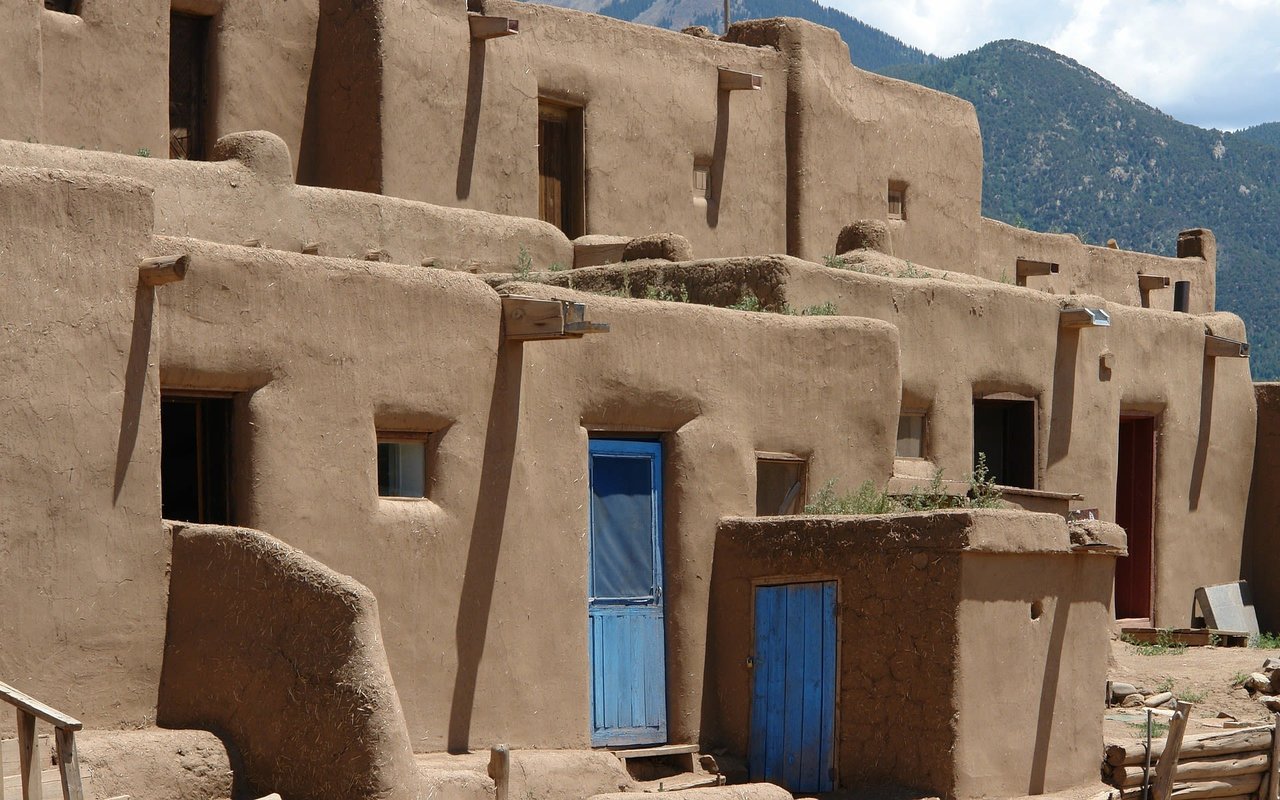
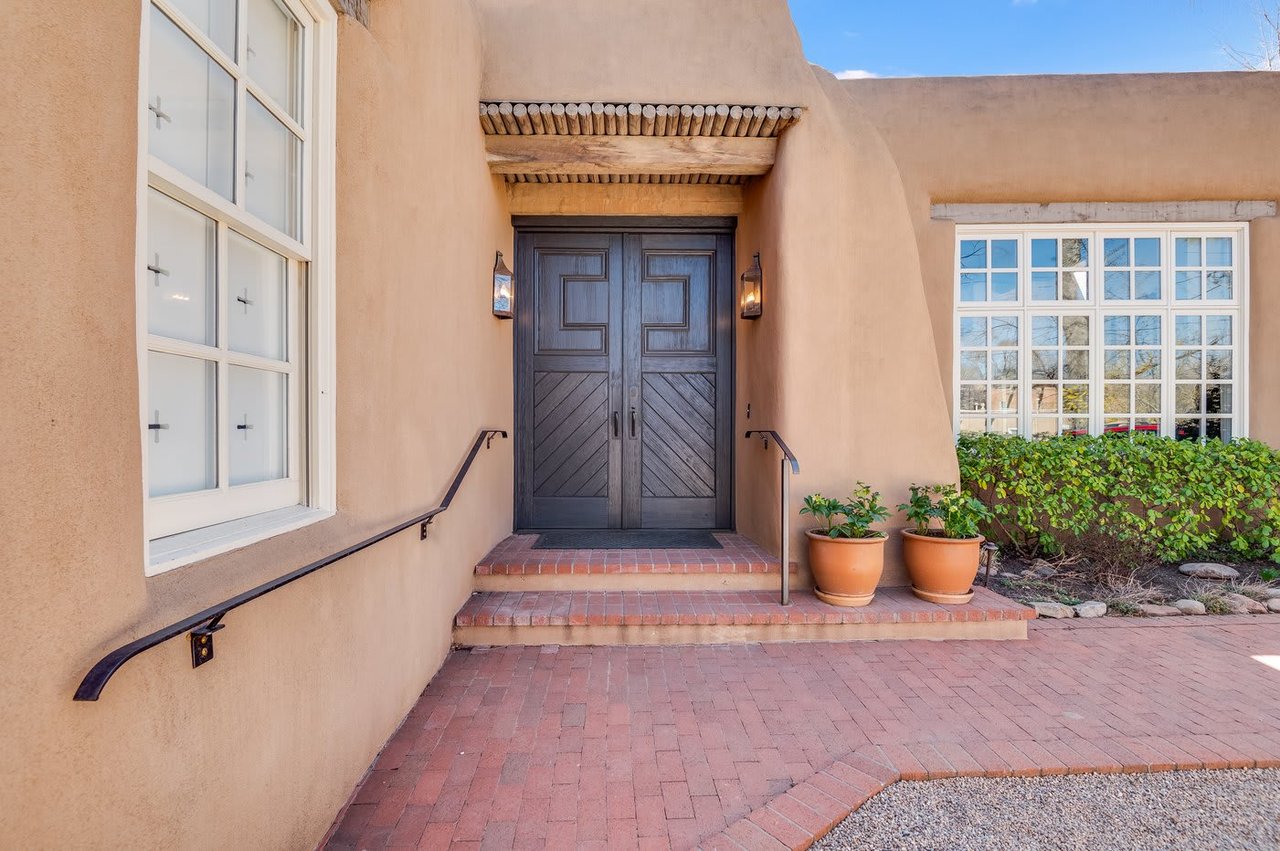
- El Zaguán, the long adobe building that James Johnson connected room by room in 1854 to house his family, now houses the Historic Santa Fe Foundation, the organization actively working to preserve buildings exactly like it.
- Gormley Lane cuts over toward Acequia Madre, where Frank Gormley opened a general store in 1903. The warehouses from that era are still standing.
- Patrick Smith Park, reachable from either Canyon Road or Alameda Street, sits along the Santa Fe River and is named for the longtime pastor of the adjacent Cristo Rey Church.
None of these places have a reason to move. They aren't leasing storefronts that turn over with the season. They're the load-bearing walls of the neighborhood's identity, and they sit almost entirely outside the gallery economy that gets all the attention. If Canyon Road is the neighborhood's changing face, these are its bones.
The Rest of the Neighborhood Is Filling In Around It
The turnover isn't confined to gallery walls. Santa Fe Restaurant Week ran March 2 through 11 this year, and nearly 48 restaurants signed on to participate, up from around 40 the year before, according to the event's own organizers. That's not a Historic Eastside statistic specifically, but the growth shows up on the ground here in a way it doesn't elsewhere in the city, because so much of the neighborhood's daily rhythm already runs through its restaurants and cafes. A dining scene that's still adding participants year over year isn't a neighborhood standing still. It's one that keeps giving people new reasons to walk the same streets they've always walked, just with a different door to try.
What This Actually Means If You Live Here
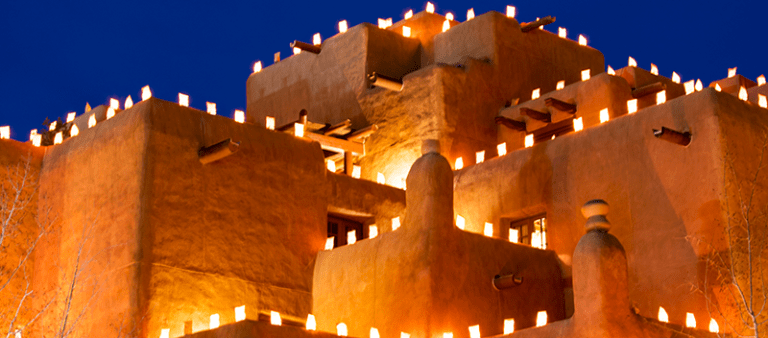
None of this changes what the Historic Eastside is at its core. The neighborhood's oldest fixed tradition, the Christmas Eve Farolito Walk, will happen again this December exactly as it has for decades, luminaria lining the same walls, the same crowds moving slowly down streets that close to traffic for the night. That continuity is real, and it's the reason people who live here stay. But the walk you take to get there, the galleries you pass, the storefronts you glance at without really seeing, those are turning over constantly in small, easy-to-miss ways.
The honest read on Canyon Road isn't that it never changes. It's that the changes are sized to be ignorable, one gallery moving three doors down, one show closing before you got around to seeing it, one restaurant added to a week you attend every March without noticing the guest list grew. If you live in the Historic Eastside, the neighborhood rewards the kind of attention that treats a familiar street as worth a second look rather than a settled fact. The version of Canyon Road you remember from five years ago is not quite the one that's there now, and the version that's there now won't be quite the same in another five.
If you're curious how a neighborhood this layered, part fixed landmark, part rotating gallery calendar, actually holds its value and its character over time, Darlene Streit has spent decades reading Santa Fe's oldest streets block by block. Request a private consultation to talk through what makes the Historic Eastside worth watching, whether you're already home here or just paying closer attention than you used to.