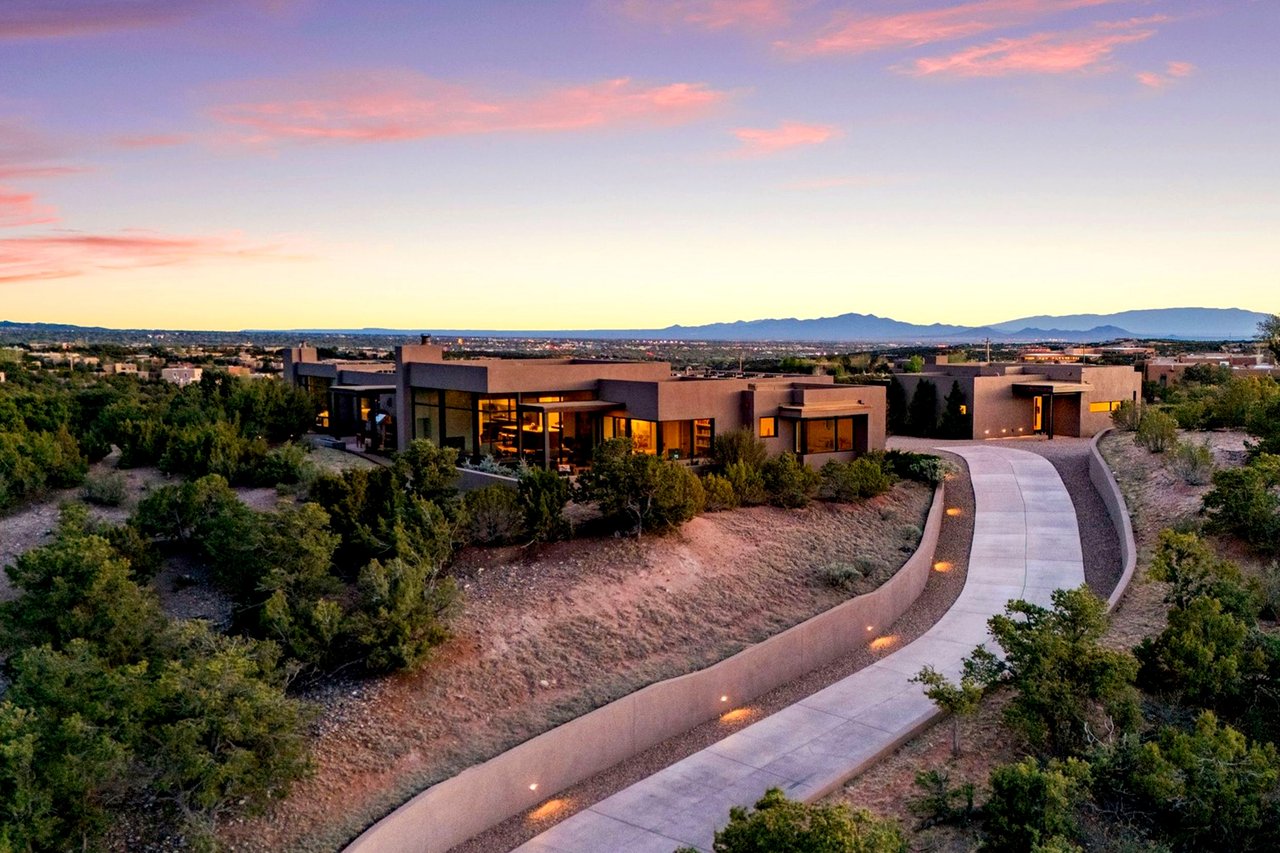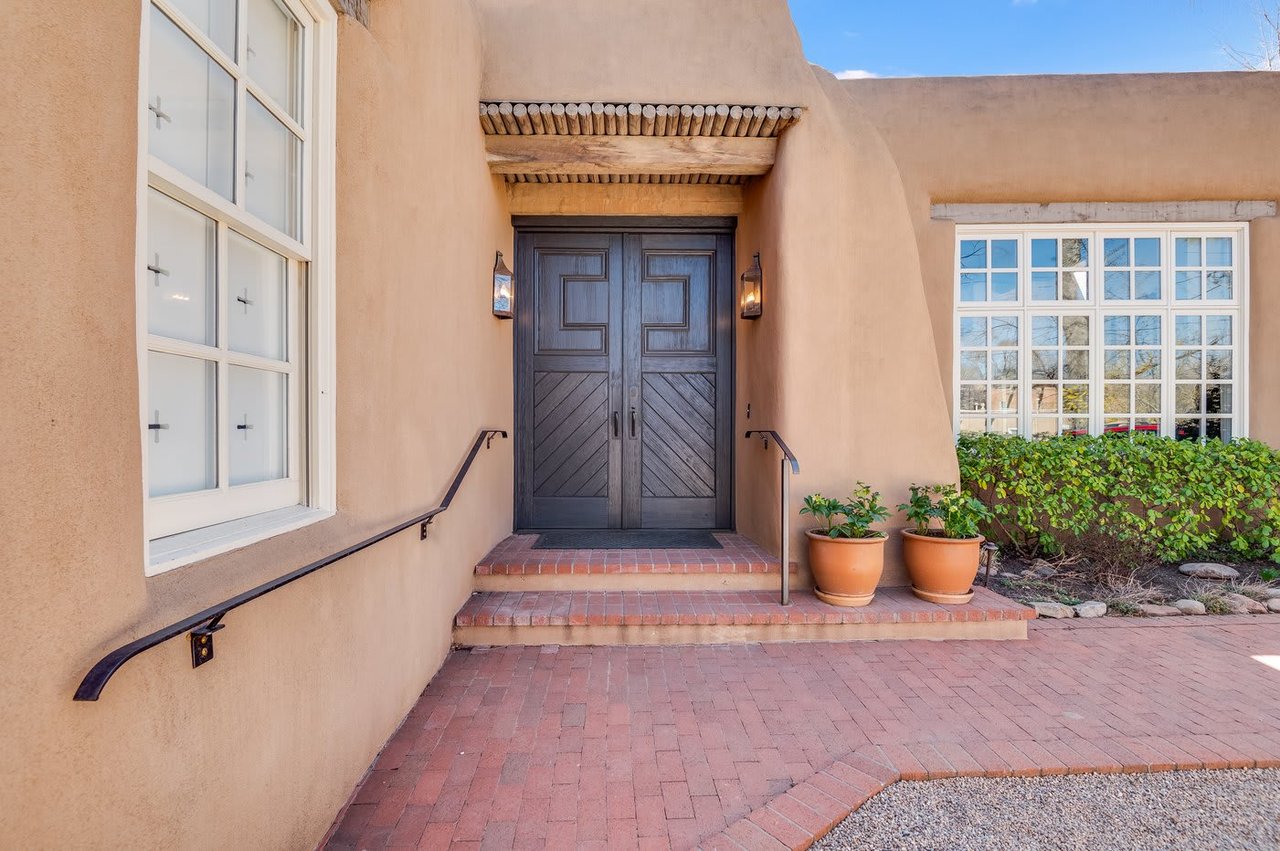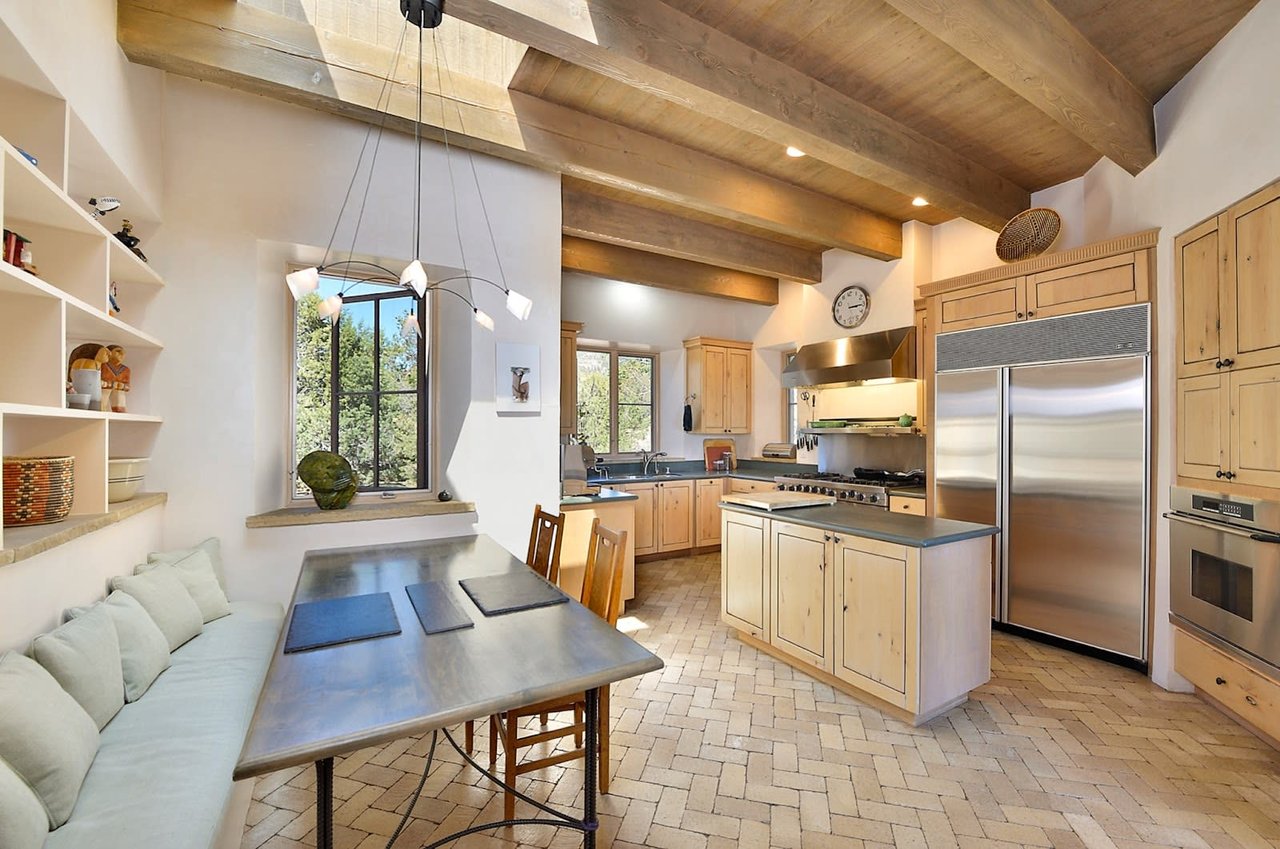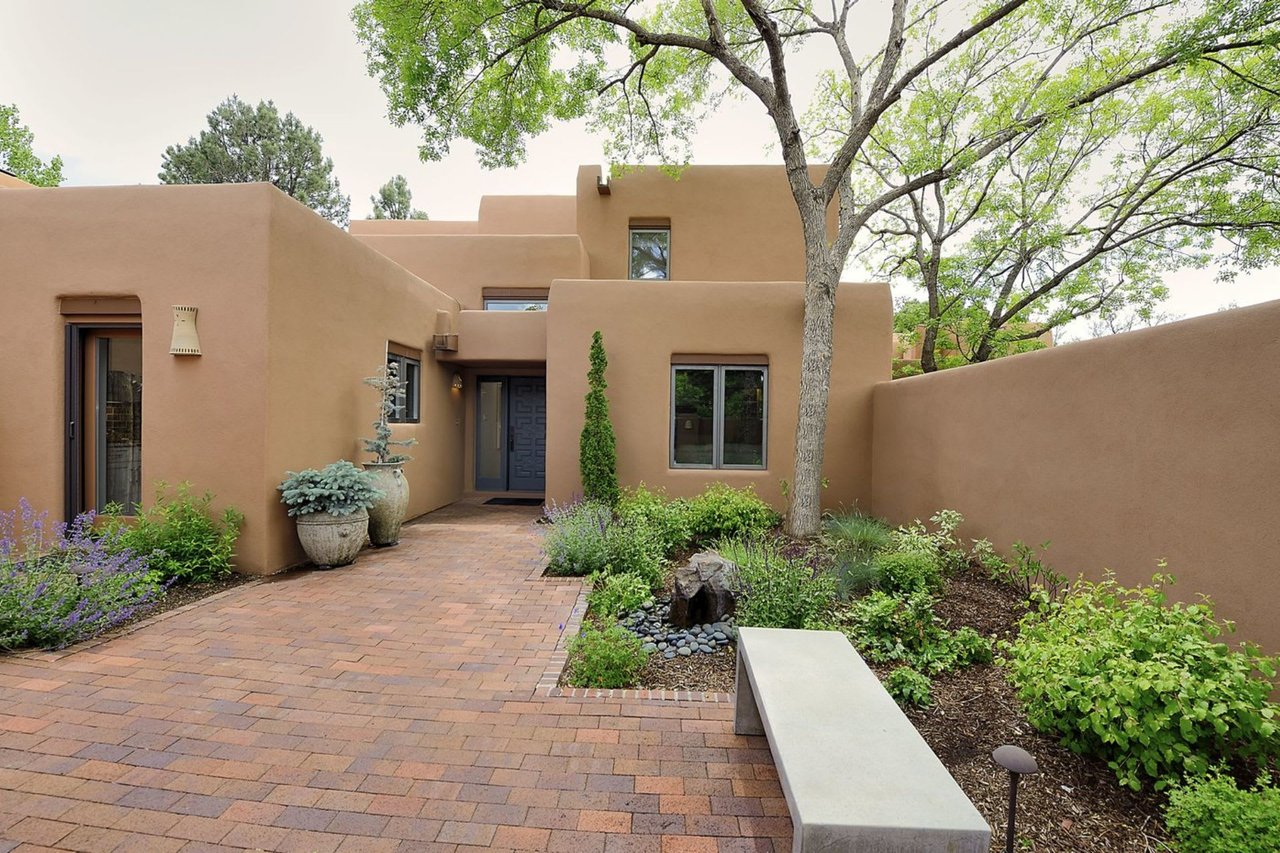
Selling a historic Eastside adobe is not like selling a standard Santa Fe home. You are balancing price, preservation, timing, and buyer perception in one of the city’s most specialized markets. If you want to sell with confidence, it helps to know what buyers will notice, what the city may require, and which improvements actually support value. Let’s dive in.
Why Eastside Pricing Is Different
Pricing a Historic Eastside adobe is a niche exercise because the market is both premium and thin. In Q4 2025, the Historic Eastside had a median sales price of $1.29 million, compared with $675,000 citywide in Santa Fe. The Eastside also had just 9 closed sales, 8 active listings, and an average of 105 days on market, according to the Historic Eastside market update.
That small sample size means buyers are not comparing your home to dozens of near-identical listings. Instead, they tend to weigh location, authenticity, visible condition, and confidence in how the home has been cared for. In a market where 33.3% of Q4 2025 Eastside sales closed above $2 million, pricing needs to reflect both the home itself and how it fits the top end of the district.
The setting matters too. Canyon Road remains one of the area’s strongest lifestyle draws, with more than 100 galleries along a pedestrian-friendly half-mile corridor. For many buyers, the appeal is not only the house, but also the experience of living within Santa Fe’s preserved historic fabric.
Price the Home You Have
A common mistake is pricing a historic adobe as if charm alone will carry the sale. Buyers may pay a premium for preserved character, but they still notice deferred maintenance, unclear repair history, and visible moisture issues. In this segment, overpricing often leads to longer market time and more scrutiny.
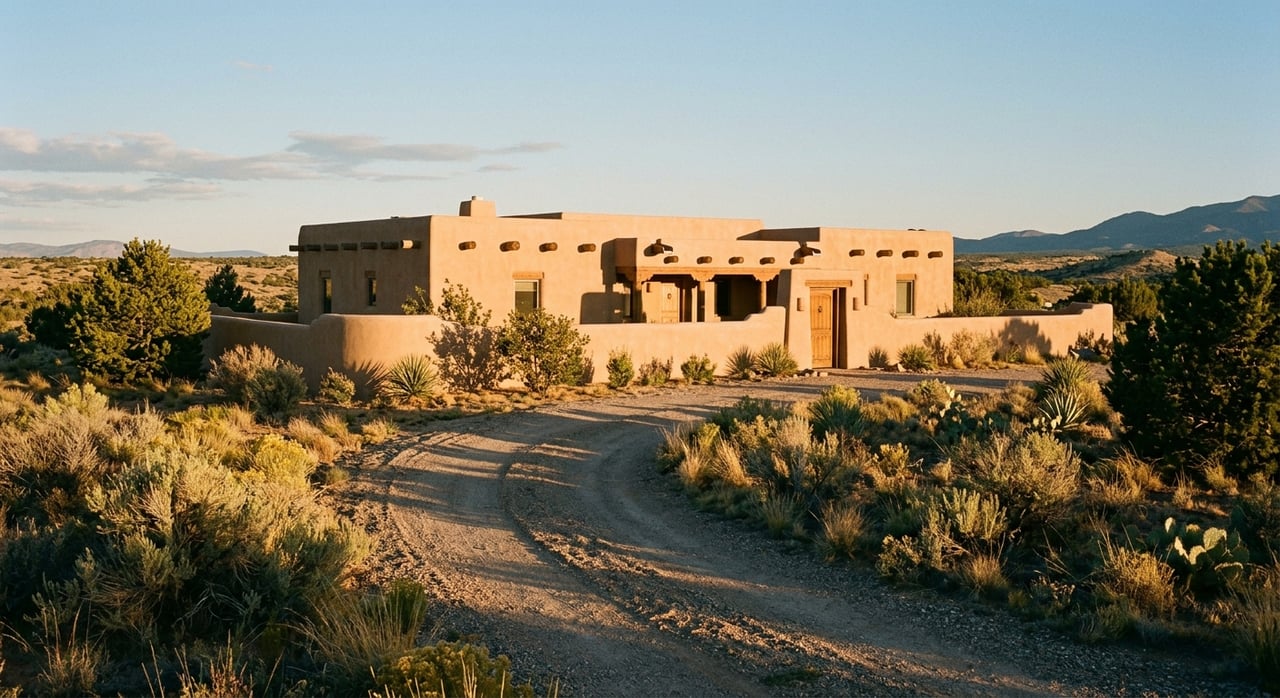
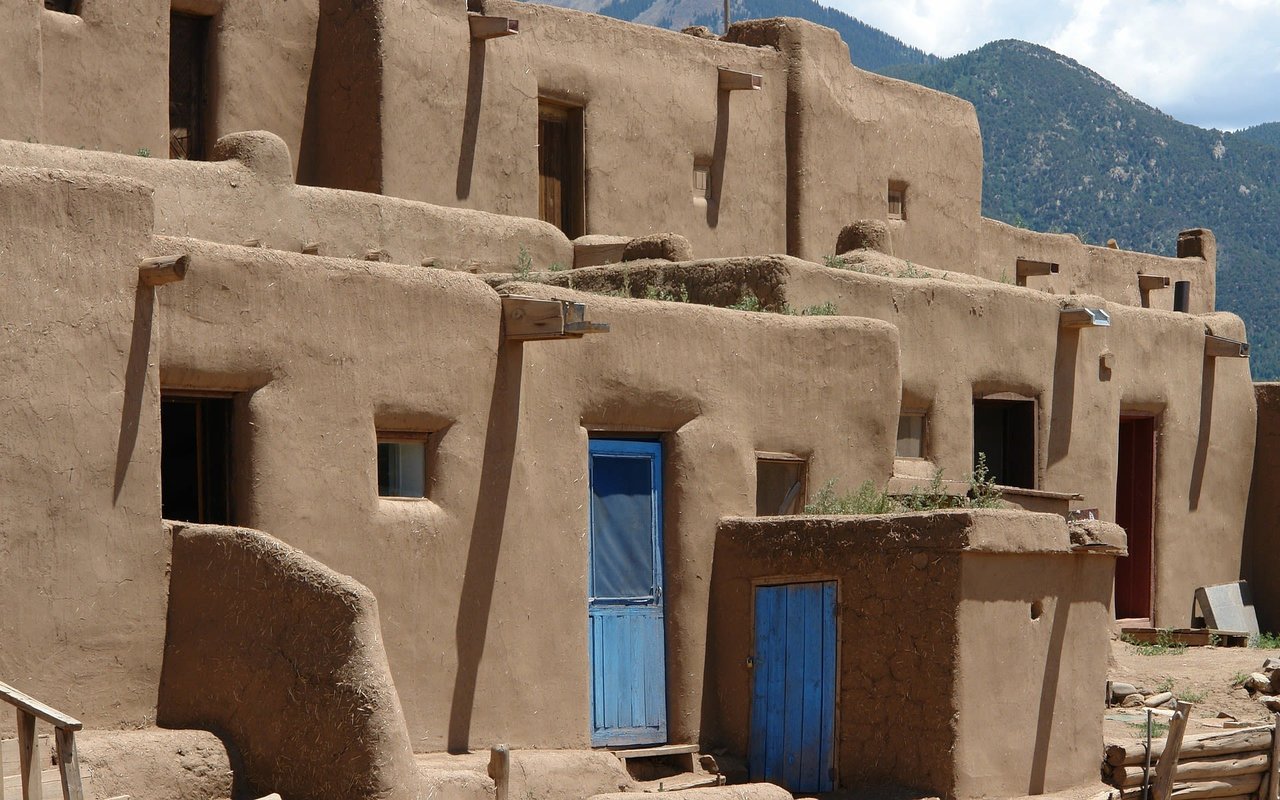
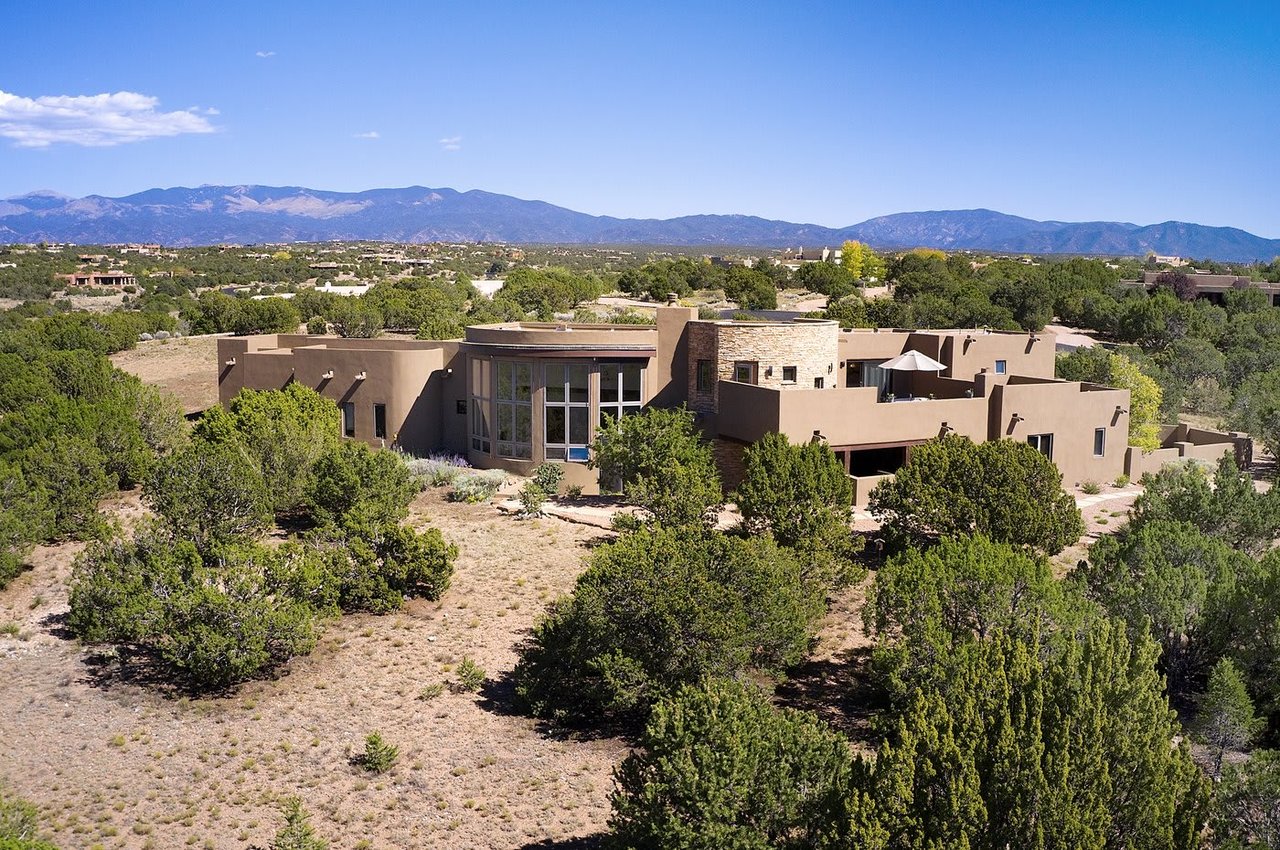
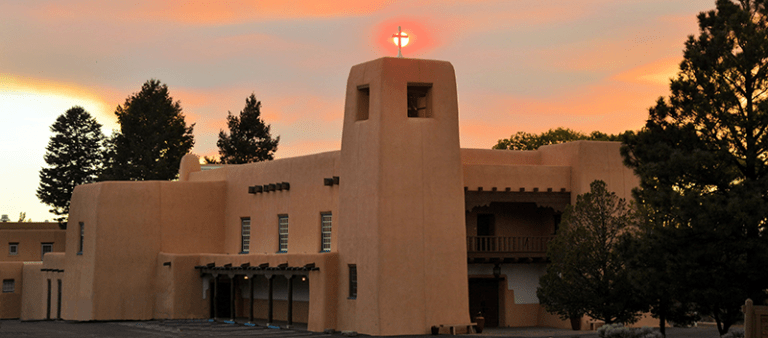
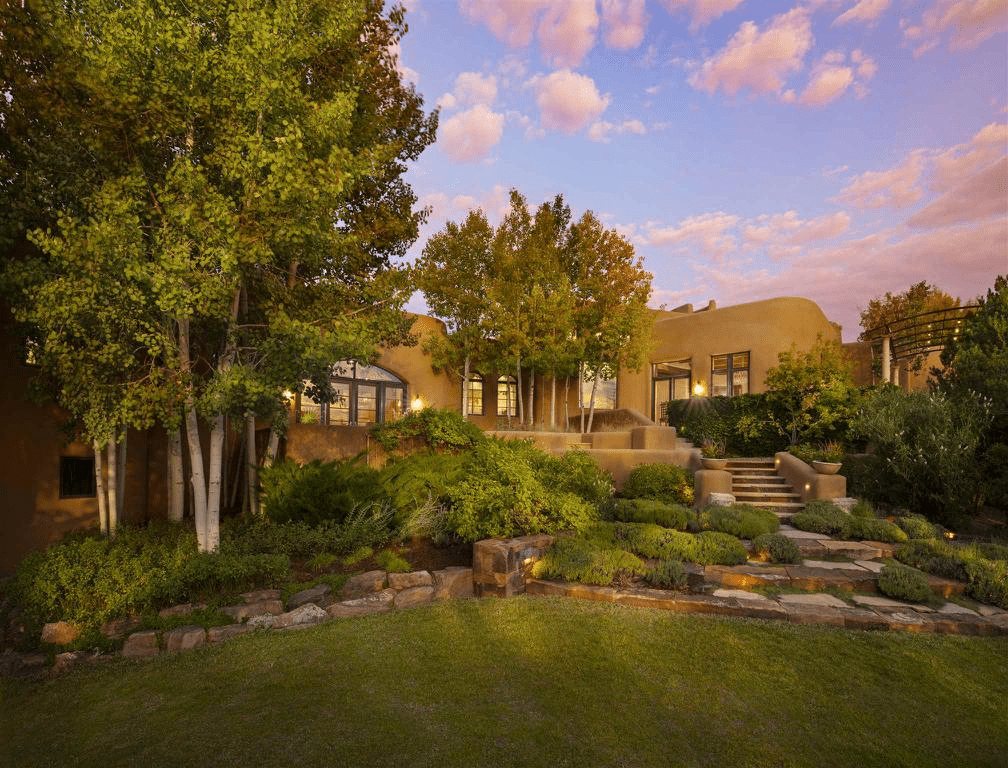
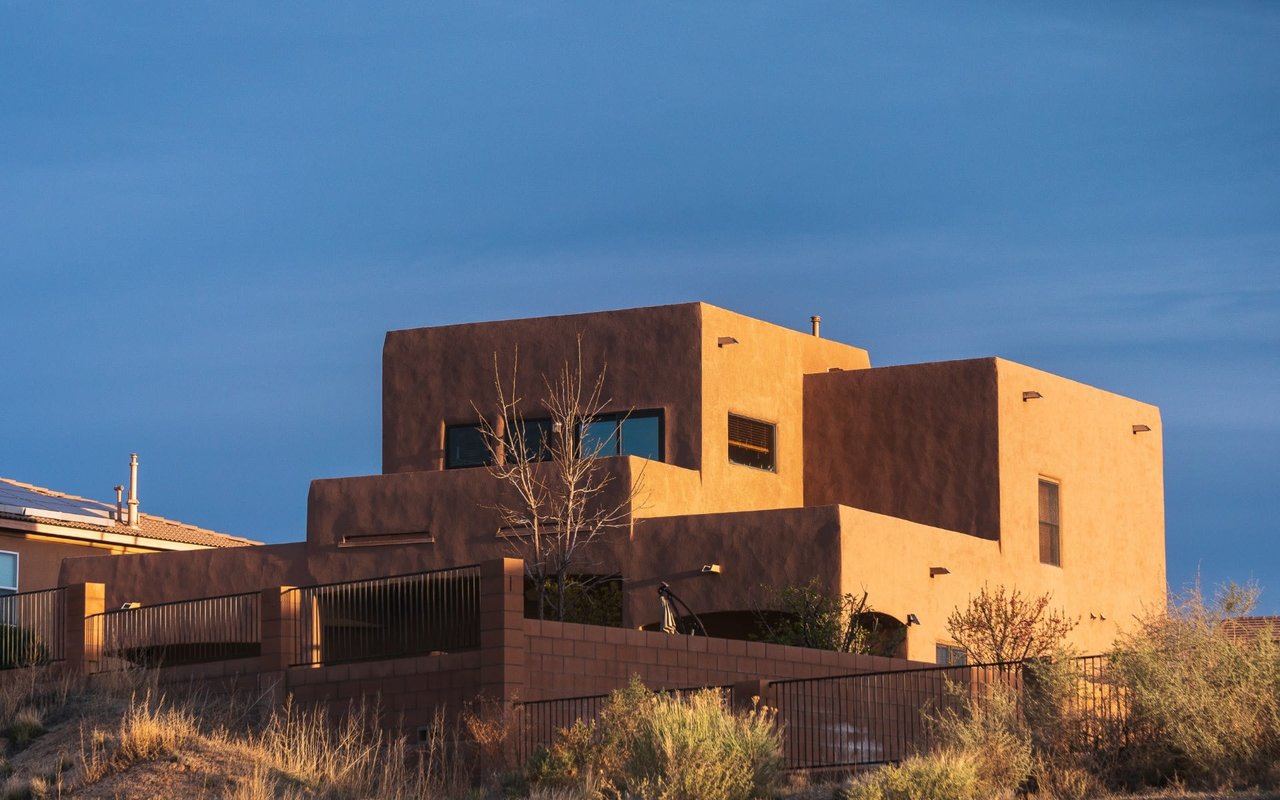
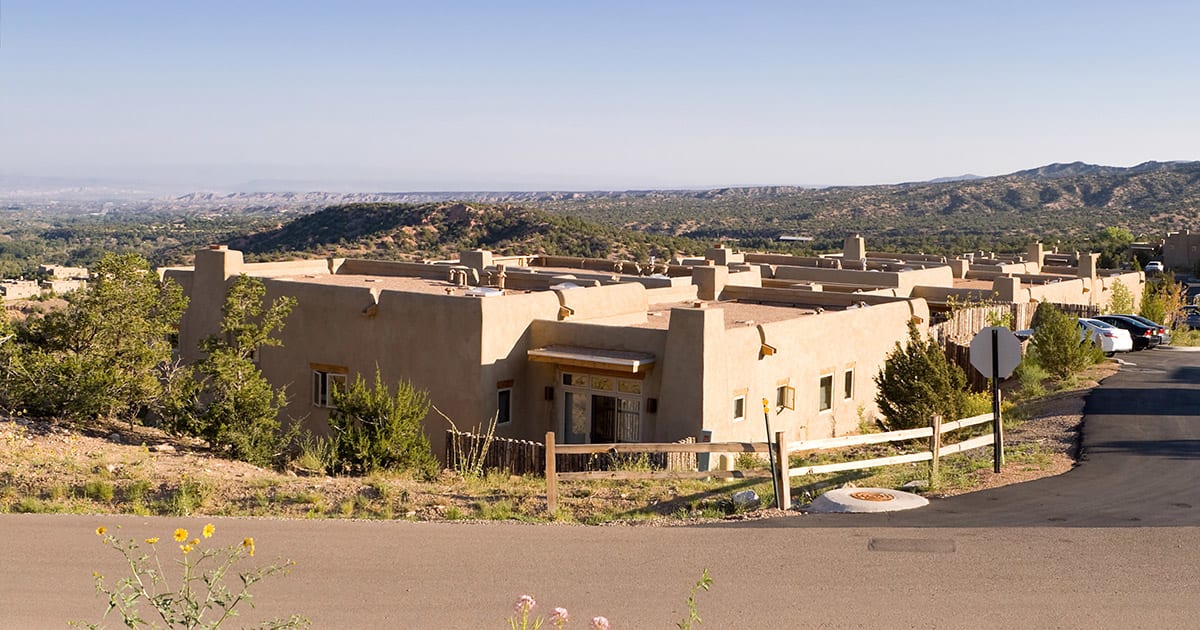
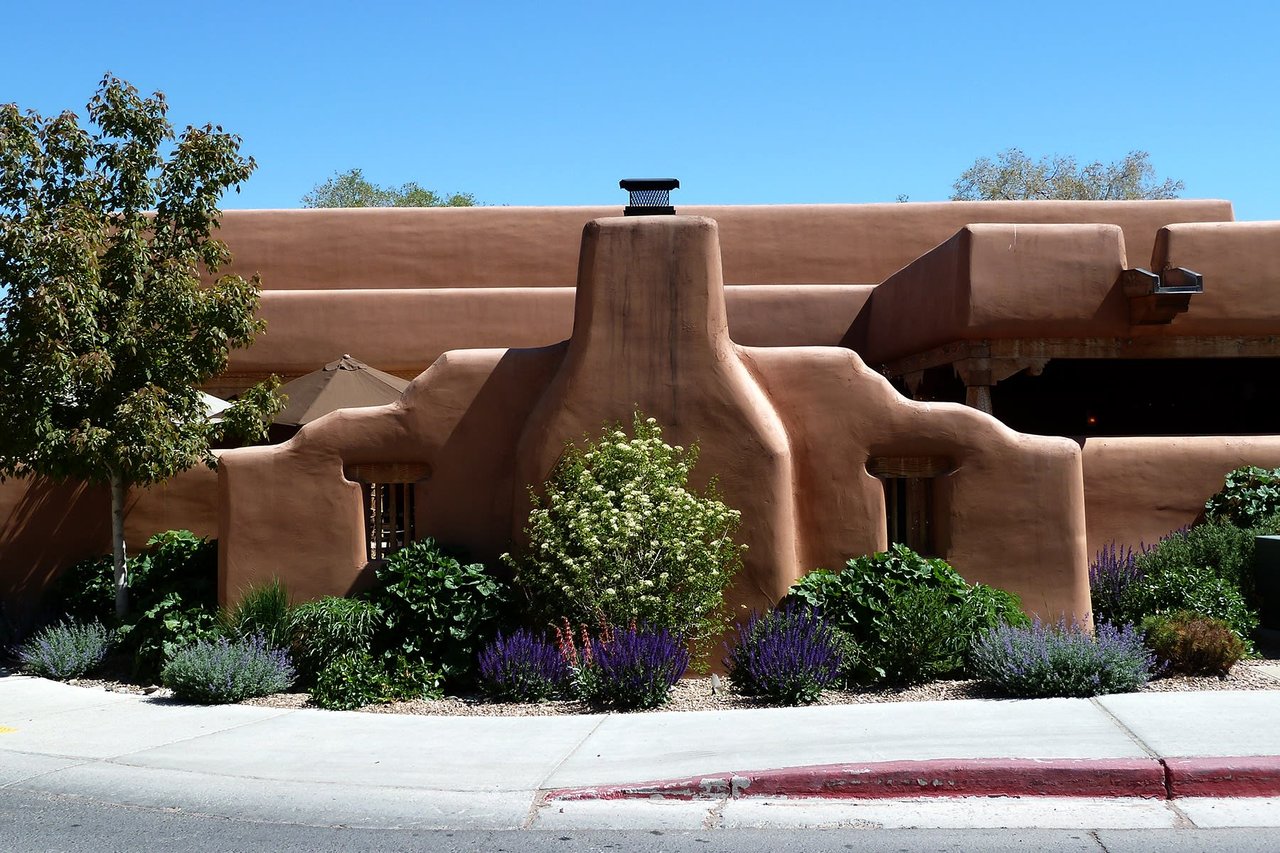
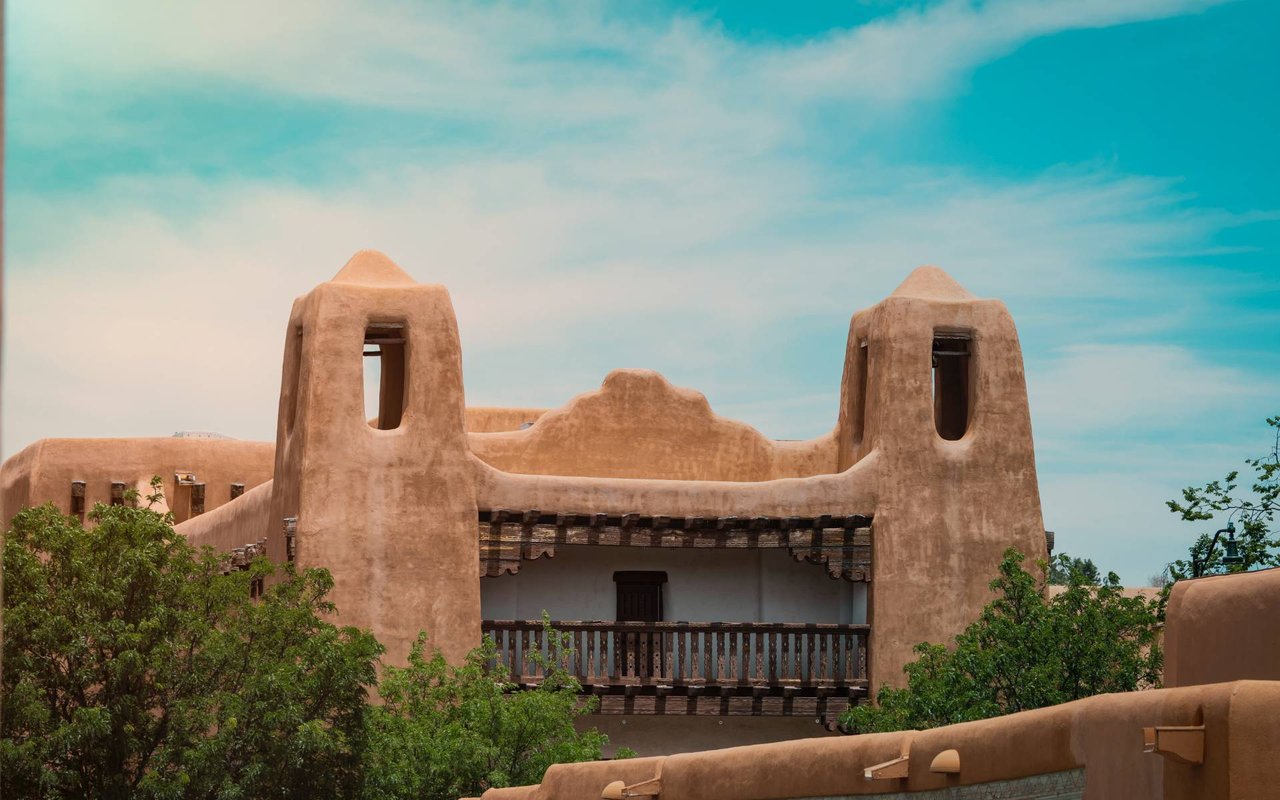
A better approach is to price the home you actually have today. That includes its architectural authenticity, its condition, its level of originality, and its relationship to the surrounding streetscape. Santa Fe’s architectural identity is built around adobe forms, Pueblo and Territorial influences, and preservation standards that help historic areas retain a cohesive look, as described in the city’s Santa Fe architecture overview.
If your home has original details, compatible repairs, and a strong Eastside location, those features can support stronger pricing. If it also has unresolved exterior issues, moisture concerns, or updates that feel out of step with the district, those factors can narrow the buyer pool. The key is to price with discipline, not nostalgia.
Know the Historic Review Rules
Before you start exterior work, make sure you understand the approval process. The City of Santa Fe’s Historic Preservation Division helps property owners in the city’s five historic districts with modifications, and homeowners must file a Historic Districts Application Form for changes within those districts.
Some work can be approved administratively, especially general maintenance or minor alterations. Other projects must go before the Historic Districts Review Board. The city also notes on its building permits guidance that even if simple maintenance does not require a construction permit, it still may require historic review first.
For sellers, that timing matters. If you plan to repair parapets, patch exterior plaster, replace visible wood elements, or make other exterior changes before listing, verify approvals before work begins. It is much easier to market a home confidently when the repair path is clear and documented.
Budget for Approval and Timing
Historic review should be part of your pre-listing timeline, not an afterthought. Santa Fe currently lists a $75 pre-application onsite visit fee, $100 for maintenance-and-repair administrative approval, $100 for other administrative approval, and HDRB hearing fees of 0.05% of construction cost, with a minimum of $250 and a maximum of $2,000, according to the city’s Historic Preservation fee schedule.
The city also recognizes emergencies such as an actively leaking roof, sewer break, utility line break affecting another structure, or a situation requiring ground disturbance. In those cases, administrative approval may be granted through the Historic Preservation Division. That can help if you are dealing with urgent stabilization before bringing the property to market.
Focus on Moisture First
When you prepare an adobe home for sale, moisture control should move to the top of the list. The National Park Service explains that adobe deterioration is usually a moisture problem first, with common causes that include roof drainage failures, ponding, leaks around gutters and downspouts, and cracks around windows and doors that allow water in. See the NPS guidance on water and moisture problems in walls.
The NPS also notes in its Preservation Brief on adobe that inspectors or preservation contractors often flag early cracking, sagging, bulging walls, roof issues, damaged surface coatings, plant and insect damage, and leaks from plumbing or condensation. In other words, buyers are not just evaluating beauty. They are looking for signs that the building envelope has been protected.
If you do only one category of pre-listing work, make it the work that helps stop water from getting in. That can do more for buyer confidence than a broad cosmetic refresh.
What to Fix Before Listing
In most cases, the best pre-sale projects are the ones that protect the structure and reduce buyer uncertainty. For a historic Eastside adobe, that often includes:
- Roof maintenance and drainage corrections
- Flashing and downspout review
- Leak repair
- Compatible plaster or mortar repair
- Clearing vegetation away from exterior walls
- Stabilizing visible cracking or bulging
- Checking for plumbing leaks or condensation issues
These steps align with the NPS guidance that cyclical maintenance and early moisture intervention are critical for adobe preservation. They also help your home show as cared for rather than cosmetically dressed up.
What to Leave Alone
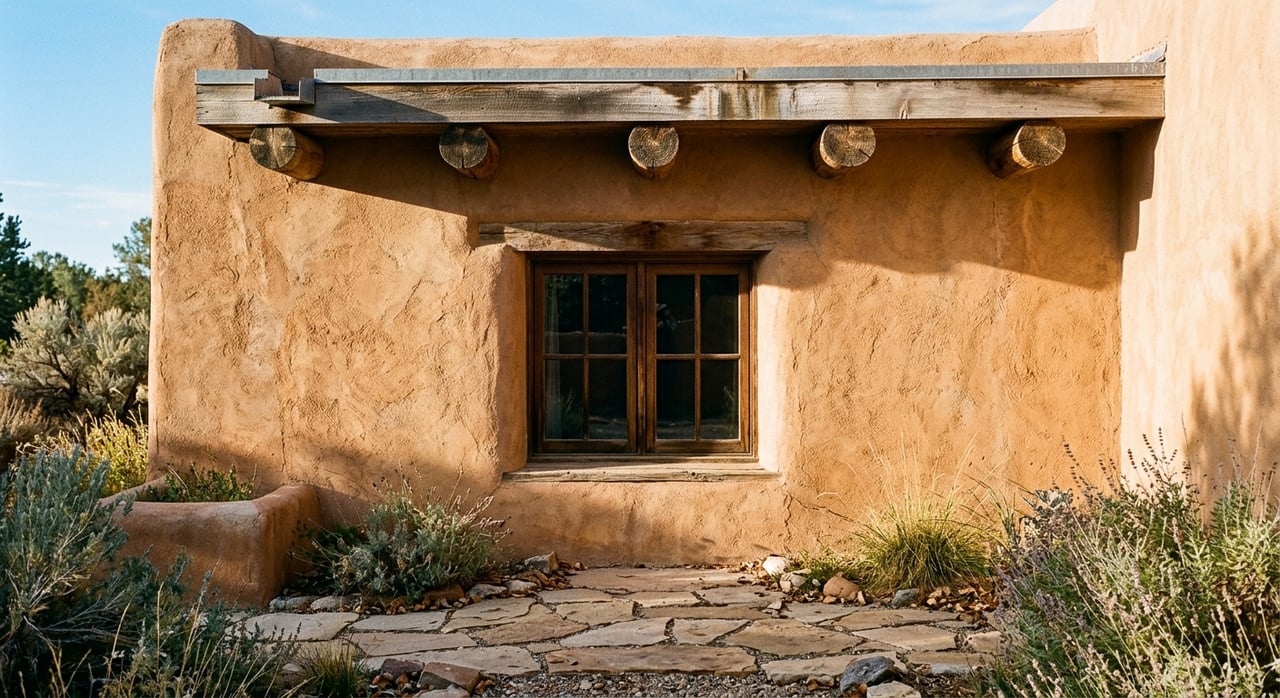
Not every old feature should be replaced. In fact, original materials often help a historic adobe feel more authentic and more valuable to the right buyer. The NPS advises retaining original windows, doors, floors, vigas, lintels, and other historic details whenever feasible, and repairing wood members in wood when replacement is necessary.
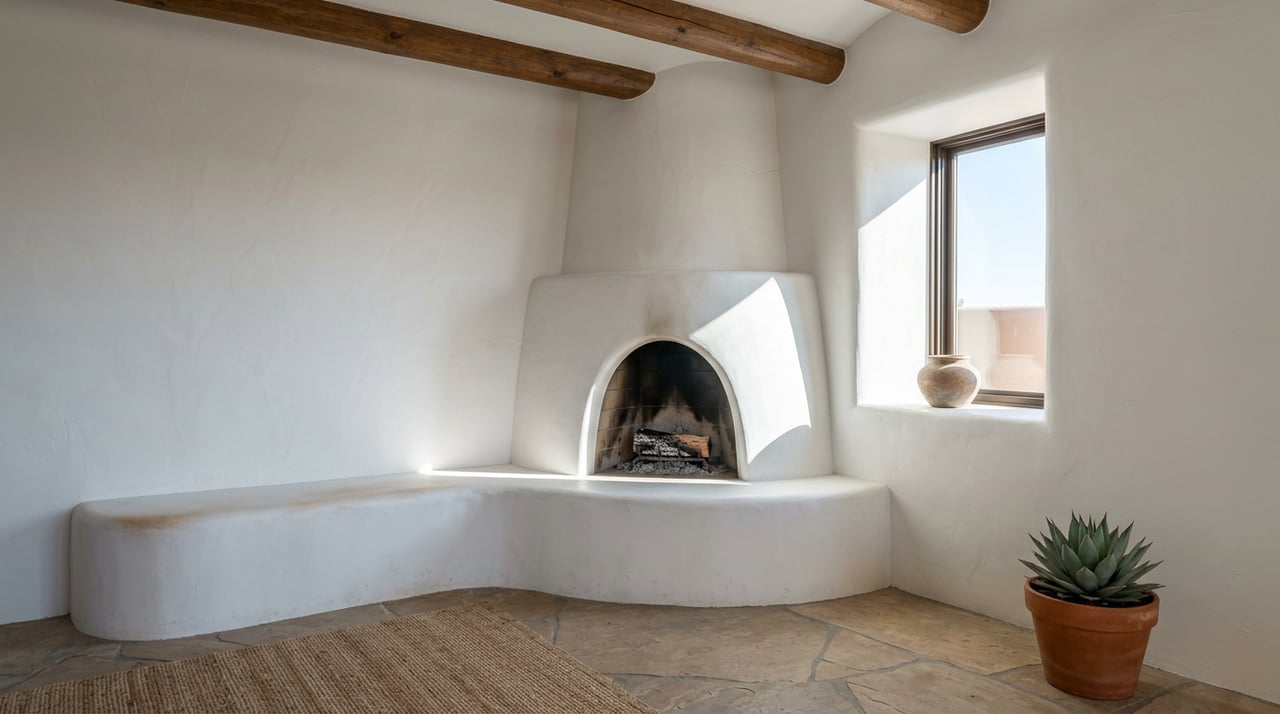
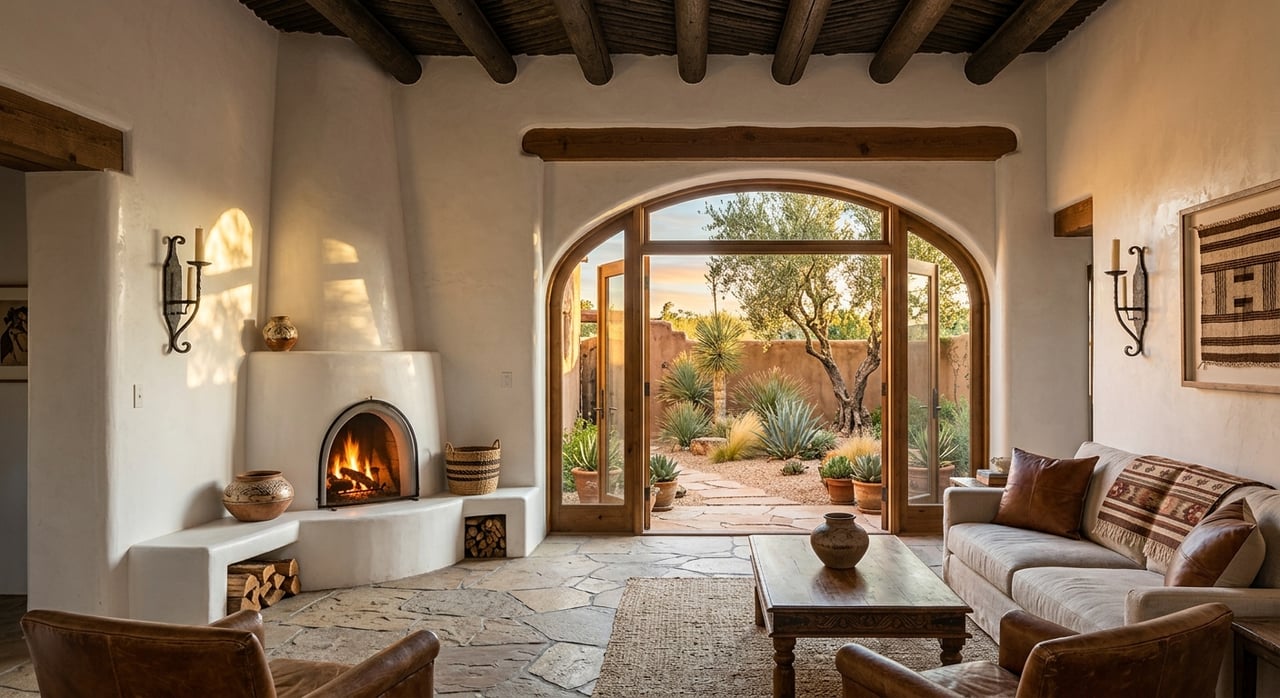
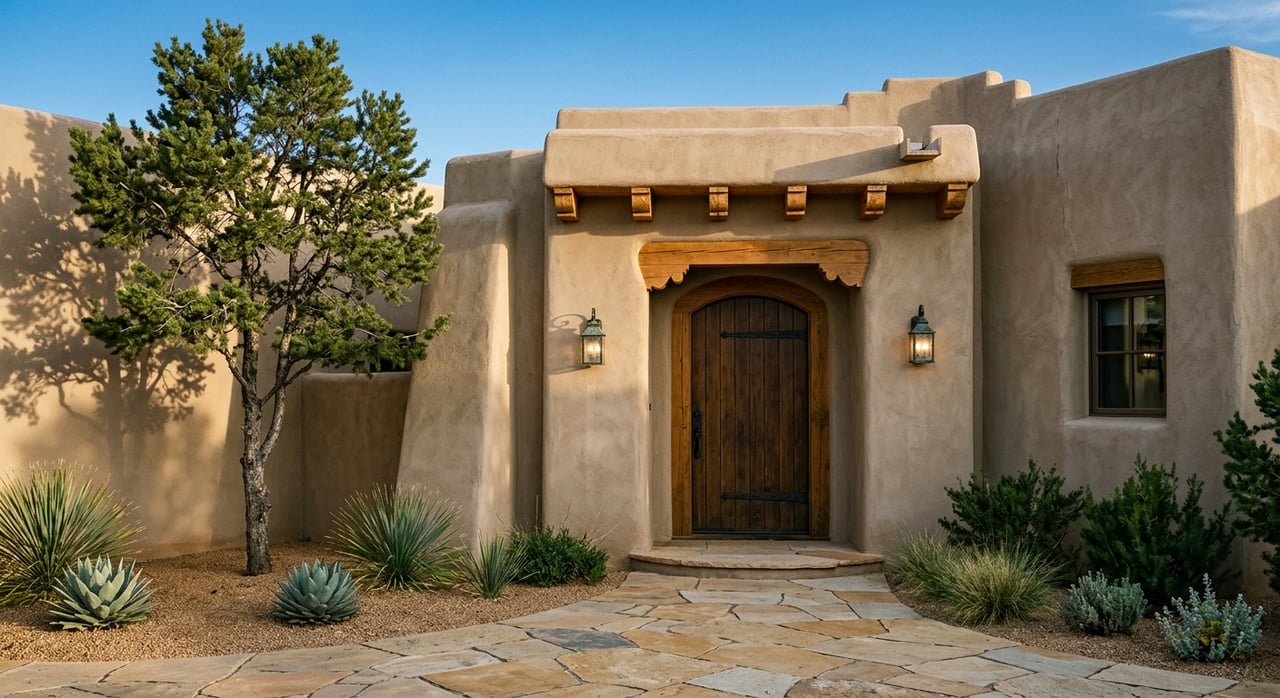
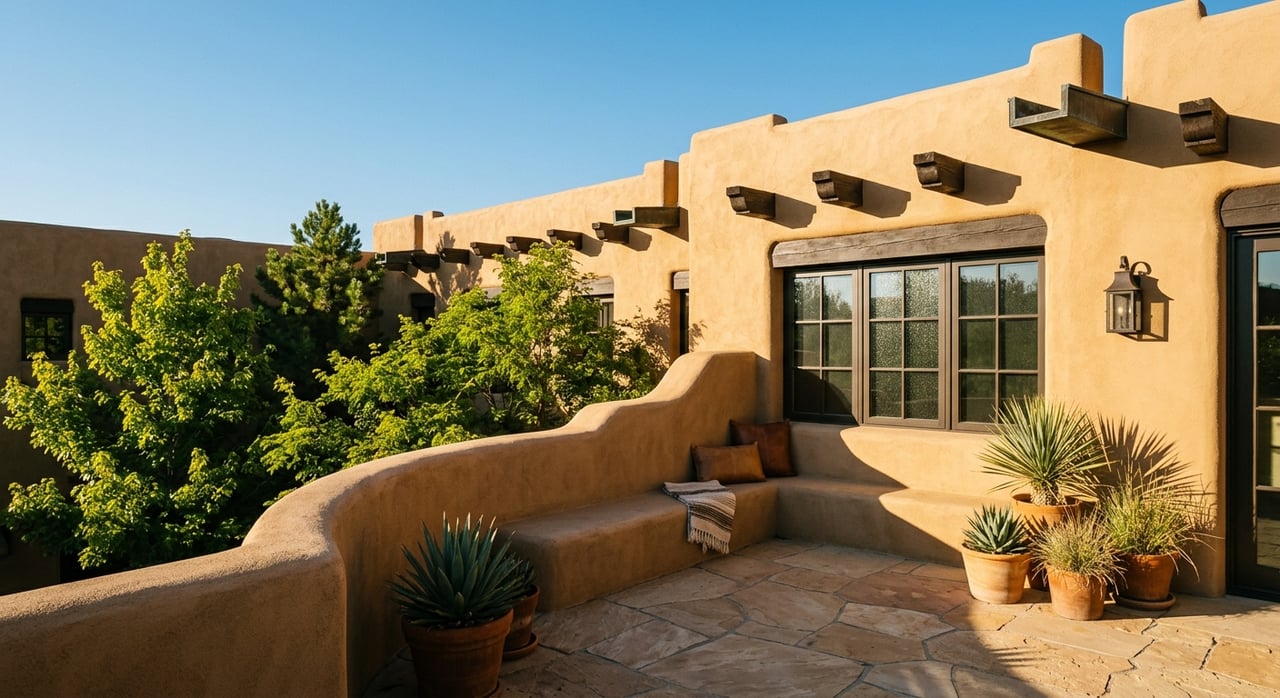
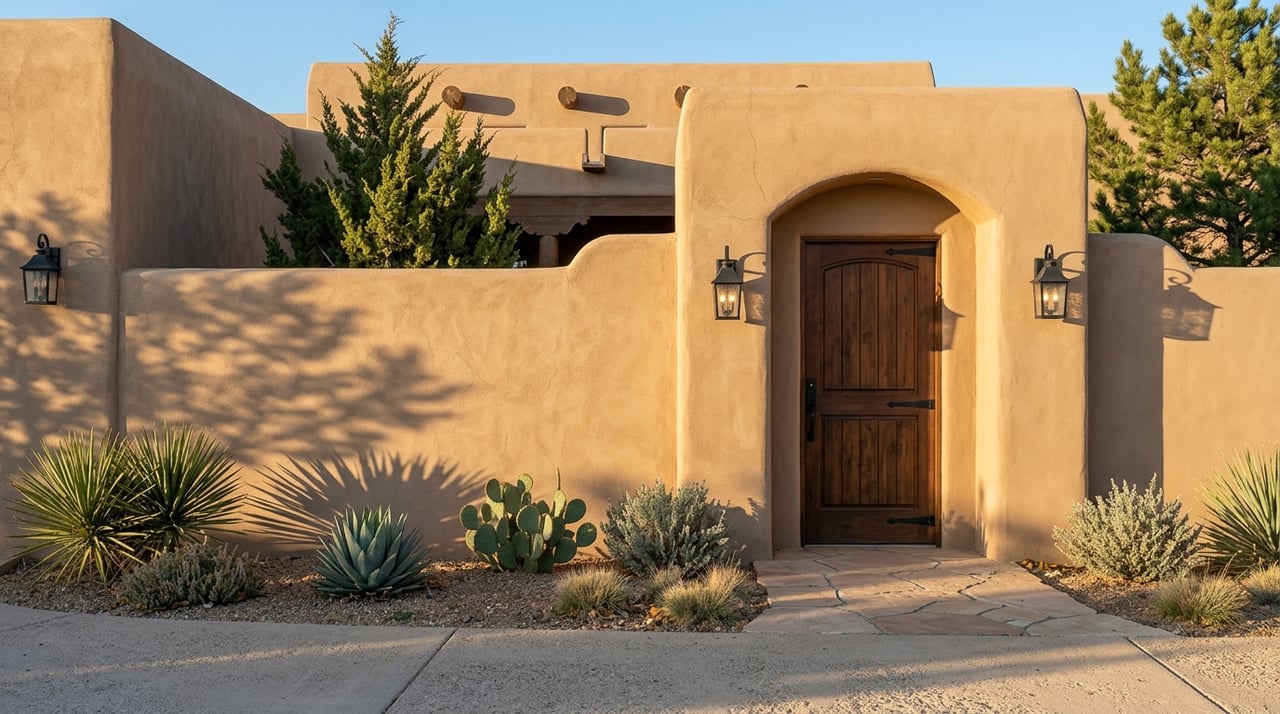
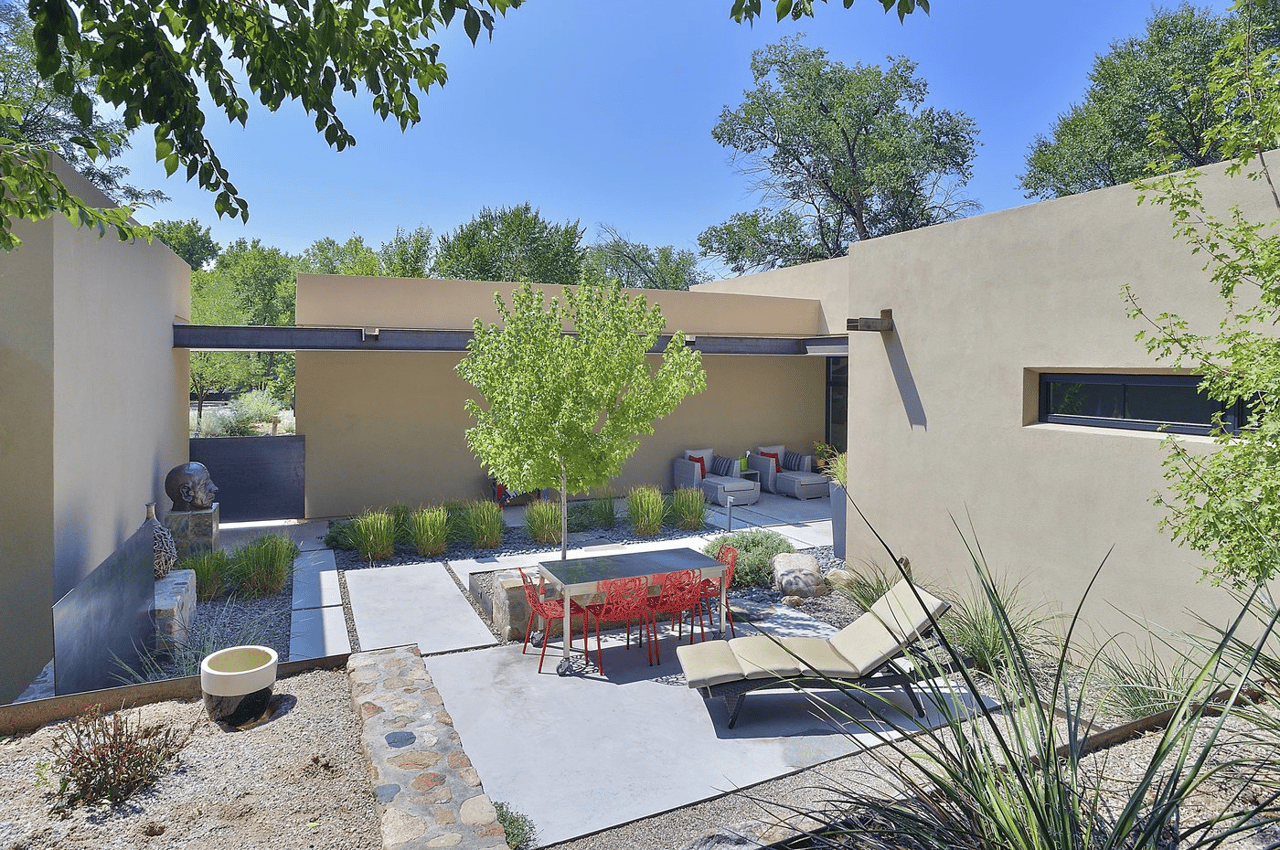
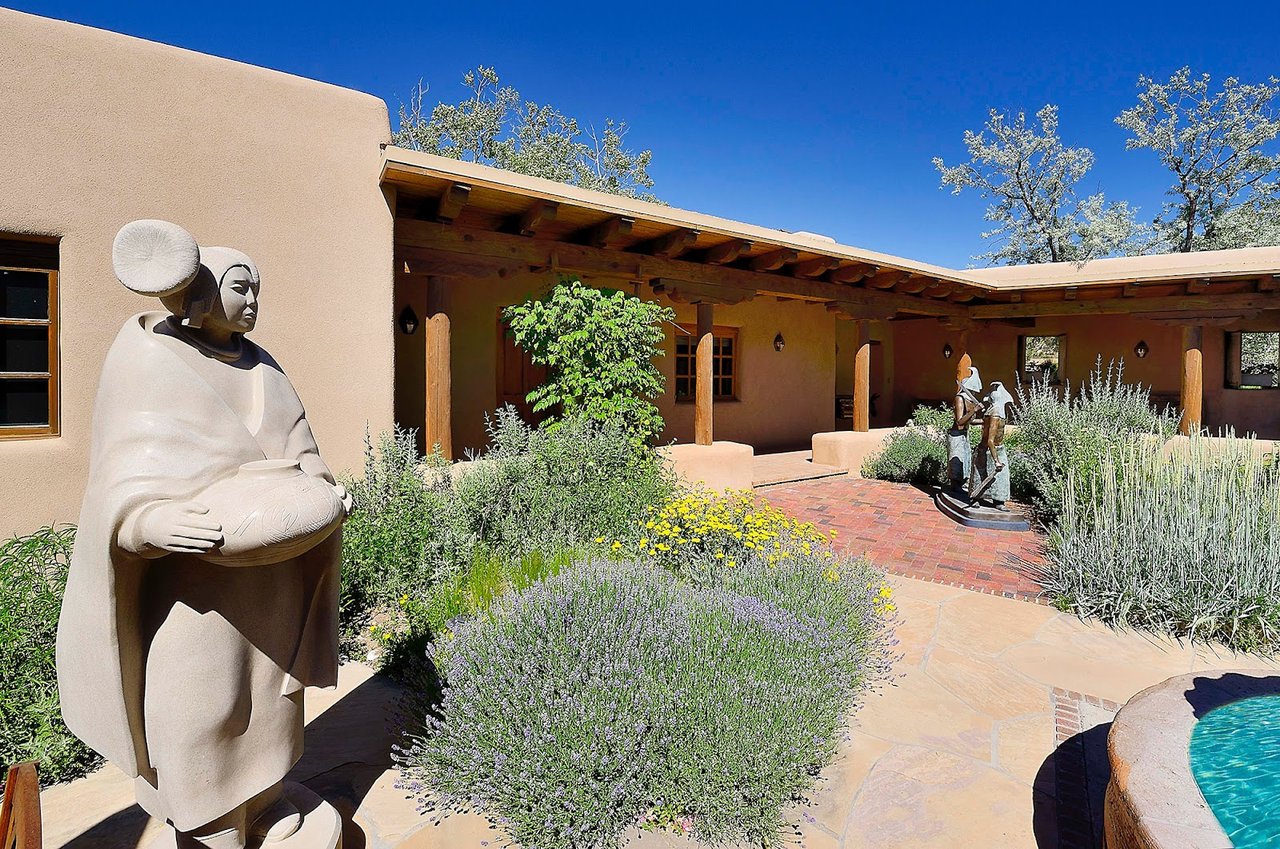
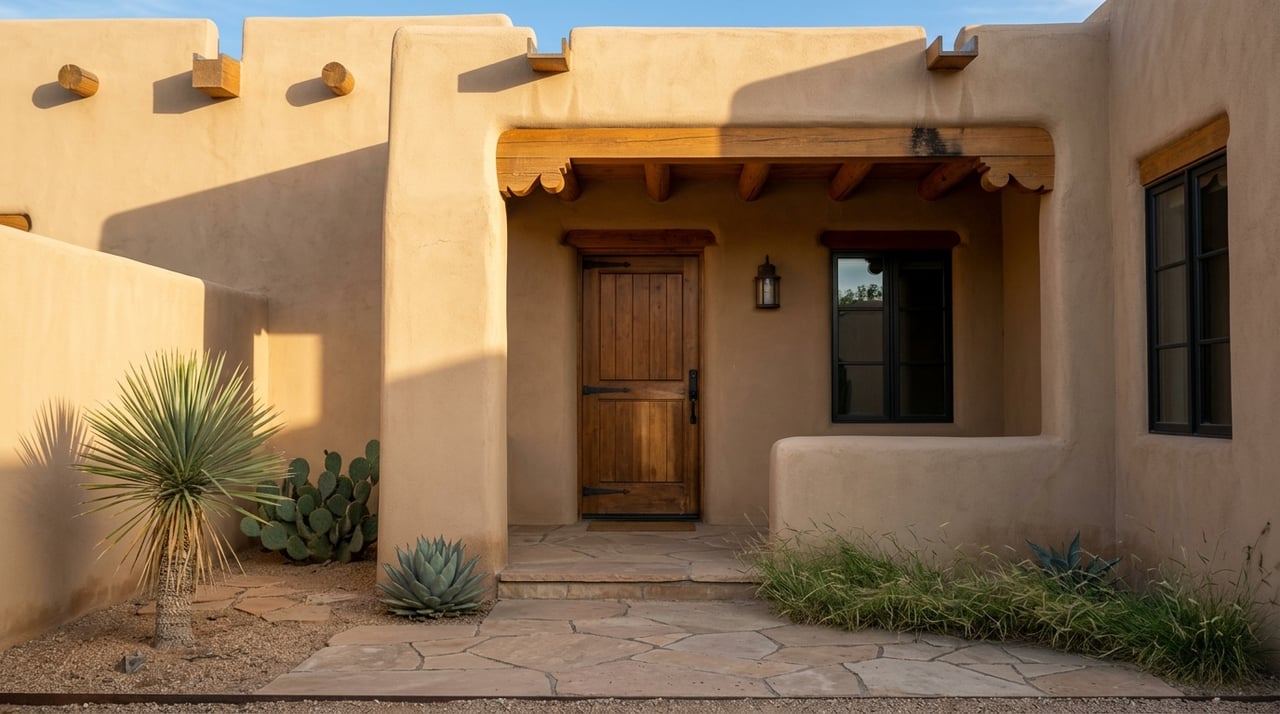
Stable historic plaster, original vigas, deep wall openings, portals, and honest patina can all contribute to the home’s appeal. In Santa Fe, those elements are part of the larger architectural identity buyers come here to find. If a feature is sound and contributes to the home’s character, leaving it in place may be wiser than installing something newer but less compatible.
Avoid Incompatible Repairs
A well-meant repair can still hurt value if it is not appropriate for adobe. The NPS advises against using Portland cement or lime mortar for historic adobe repairs because those materials move differently than adobe and can lead to cracking and deterioration. It also advises against waterproof coatings on above-ground masonry walls because they can trap moisture.
Roof work also deserves care. According to the same NPS brief, a replacement roof should not be heavier than the one it replaces unless the structure has been evaluated for the added load. If you are making repairs before listing, compatible materials matter just as much as the visual result.
Stage to Show the Architecture
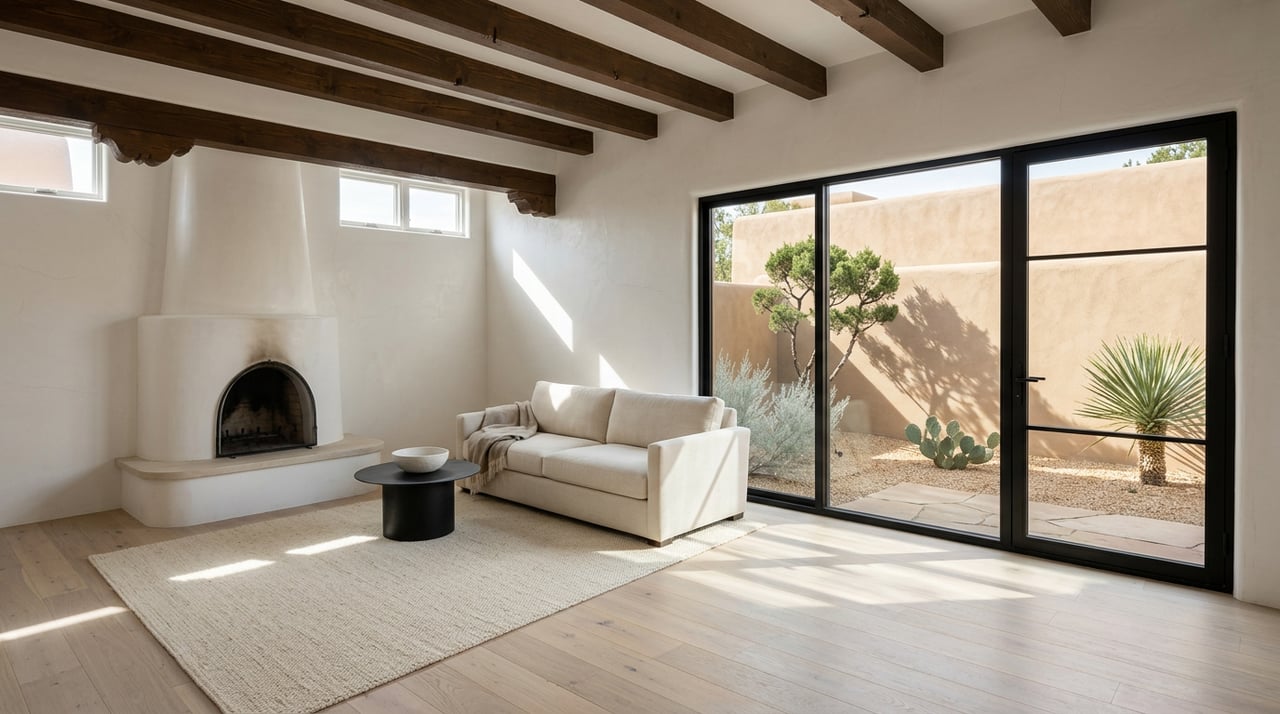
Staging can help buyers understand a historic adobe, especially one with thick walls, portals, courtyards, and unusual room flow. In the National Association of Realtors’ 2025 Profile of Home Staging, 83% of buyers’ agents said staging made it easier for buyers to visualize the property as a future home. Another 17% said staging increased the dollar value offered by 1% to 5%.
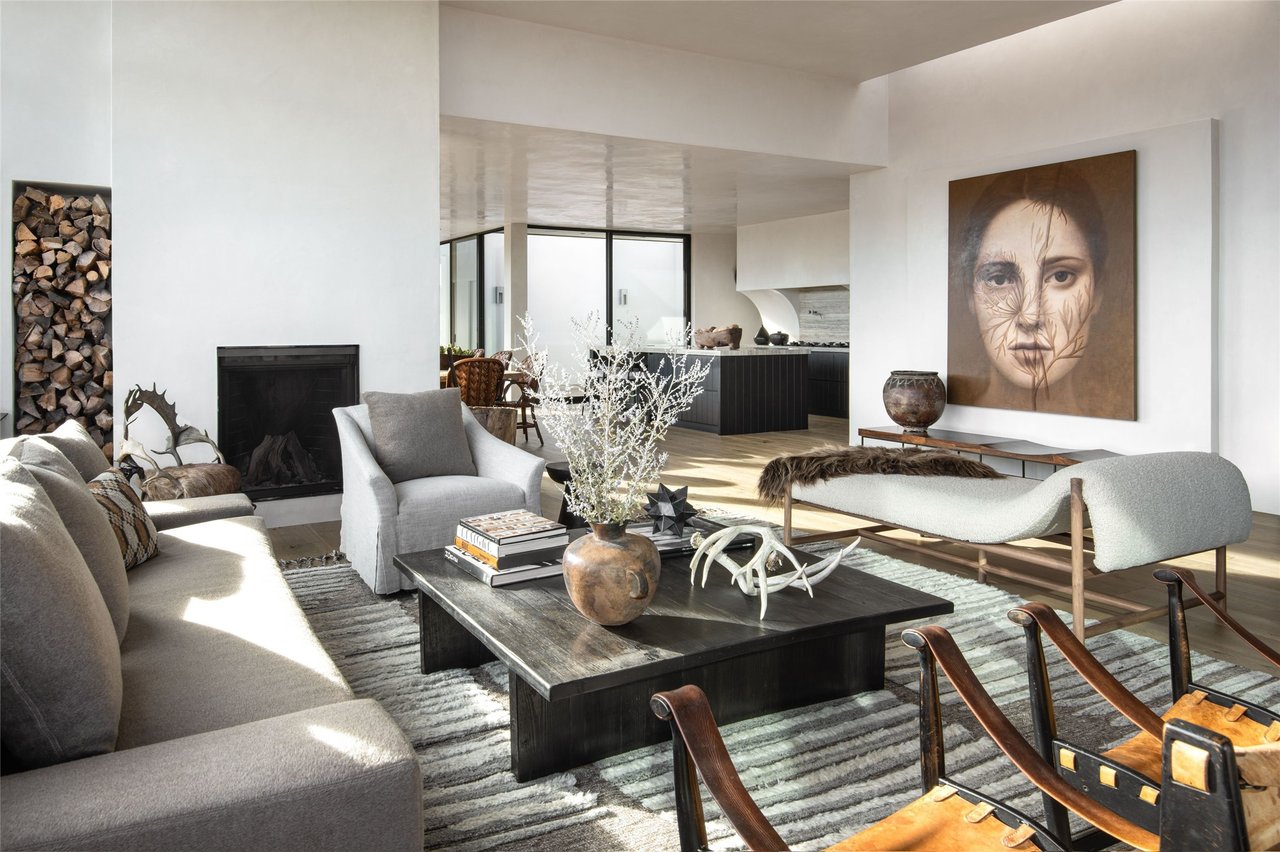
For sellers using a staging service, the median spend was $1,500. The most important rooms to stage were the living room, primary bedroom, and kitchen. For a Historic Eastside adobe, the goal is not to make the home feel generic. It is to make the architecture easy to read.
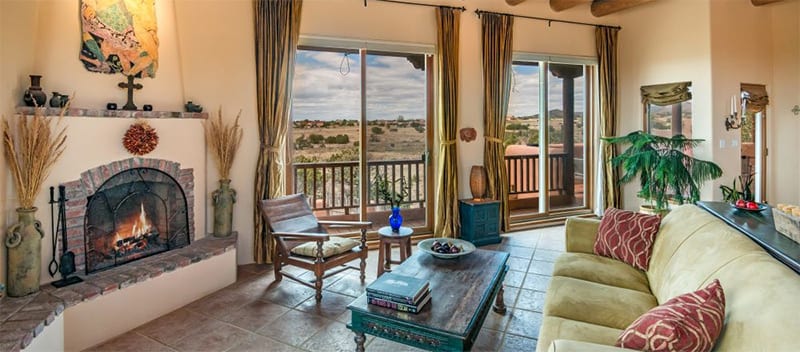
Keep rooms open enough for buyers to notice beam lines, wall thickness, light, and the sequence between indoor and outdoor spaces. A restrained presentation often works best because it lets the home’s texture and layout tell the story.
Market the Home With Specificity
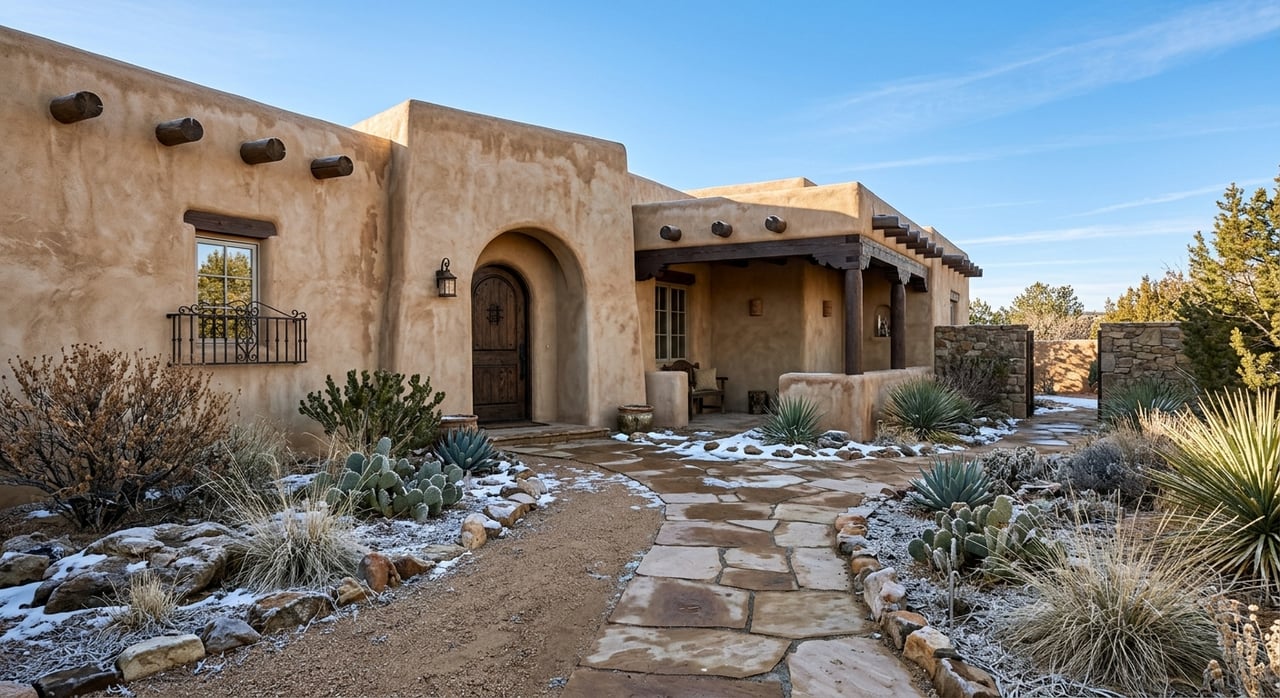
Historic homes benefit from precise marketing. Santa Fe’s architecture includes adobe, Pueblo Revival, Territorial, Victorian, Italianate, California Mission Revival, and modern design, so it is important to describe the property accurately rather than use “adobe” as a catch-all label. Specificity builds trust.
The strongest marketing package for a historic Eastside listing is usually grounded in clear visuals and factual detail. That can include professional photography, a video walkthrough, strong room sequencing, close-up images of original features, and listing copy that explains what has been repaired, what remains original, and what has been approved.
That approach matters in a market where buyers are often making careful, high-value decisions. Honest presentation is not a limitation. It is an advantage.
Tell the Eastside Story Well
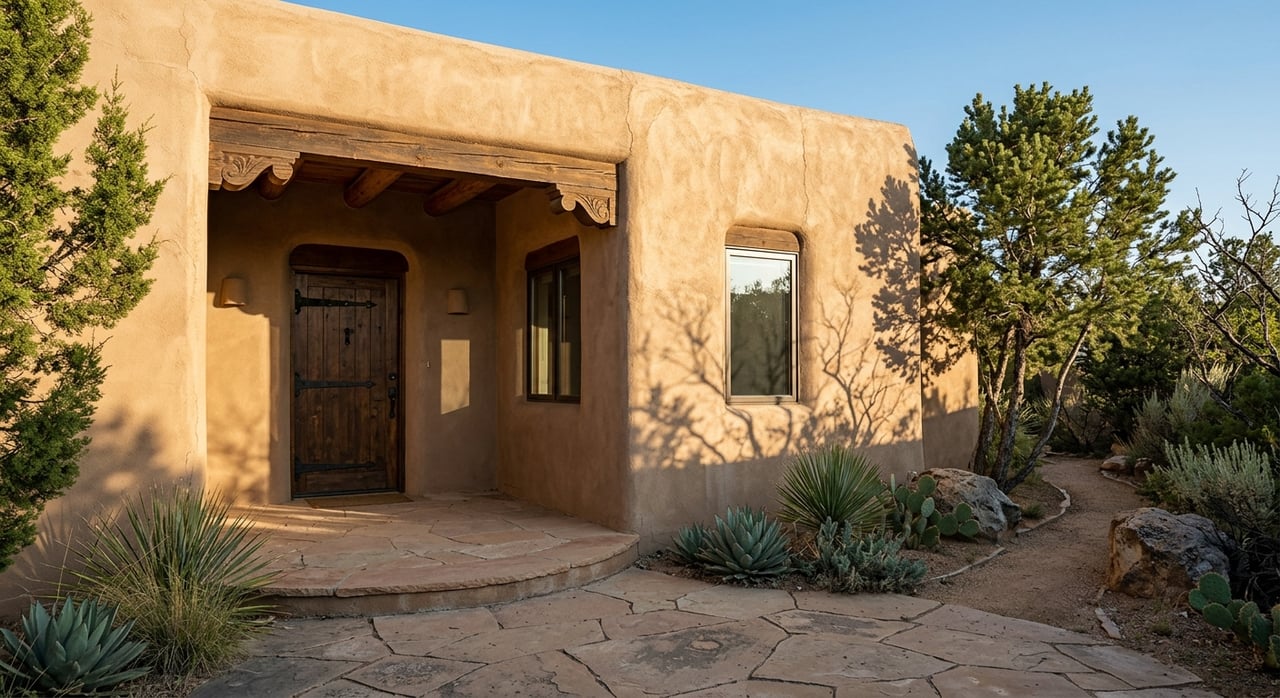
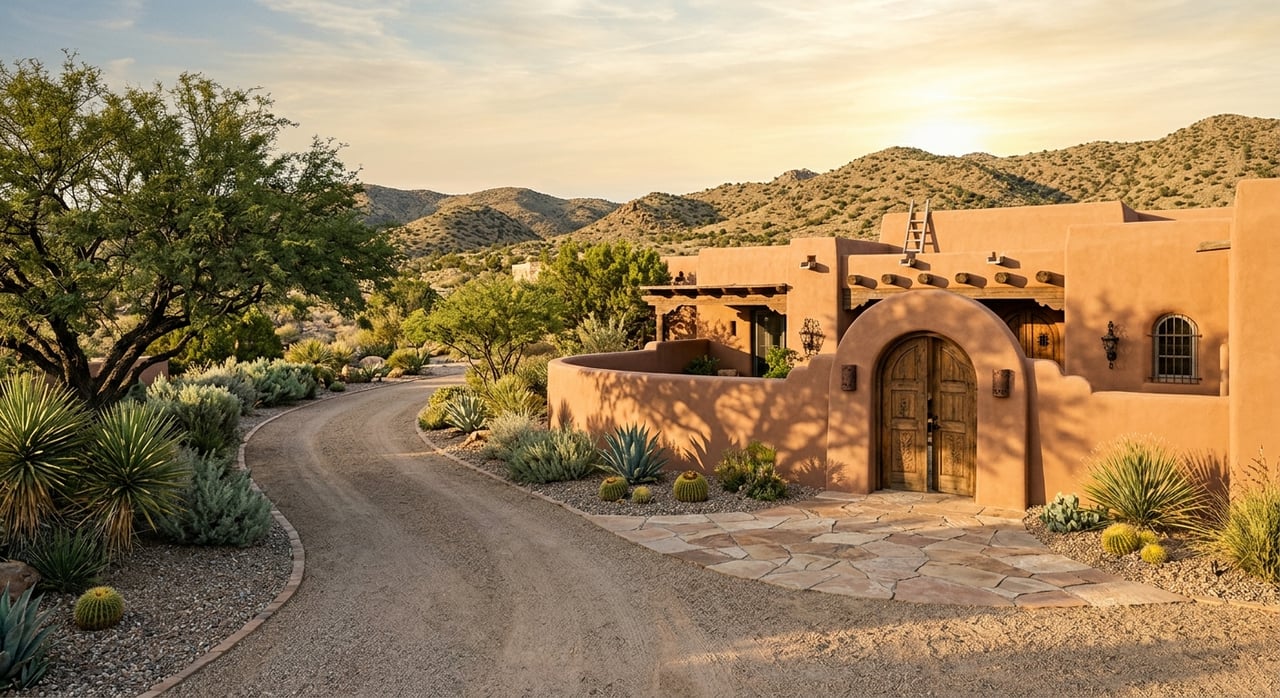
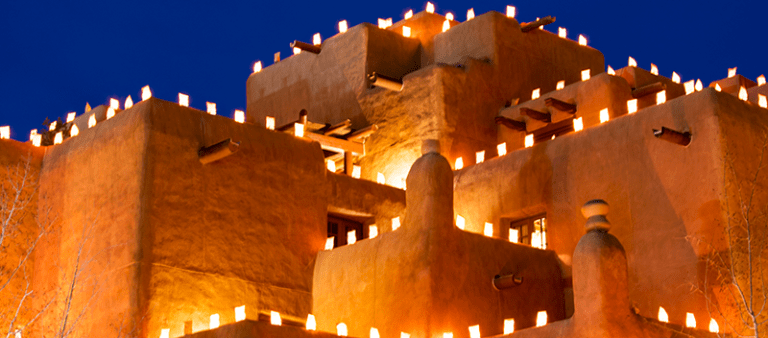
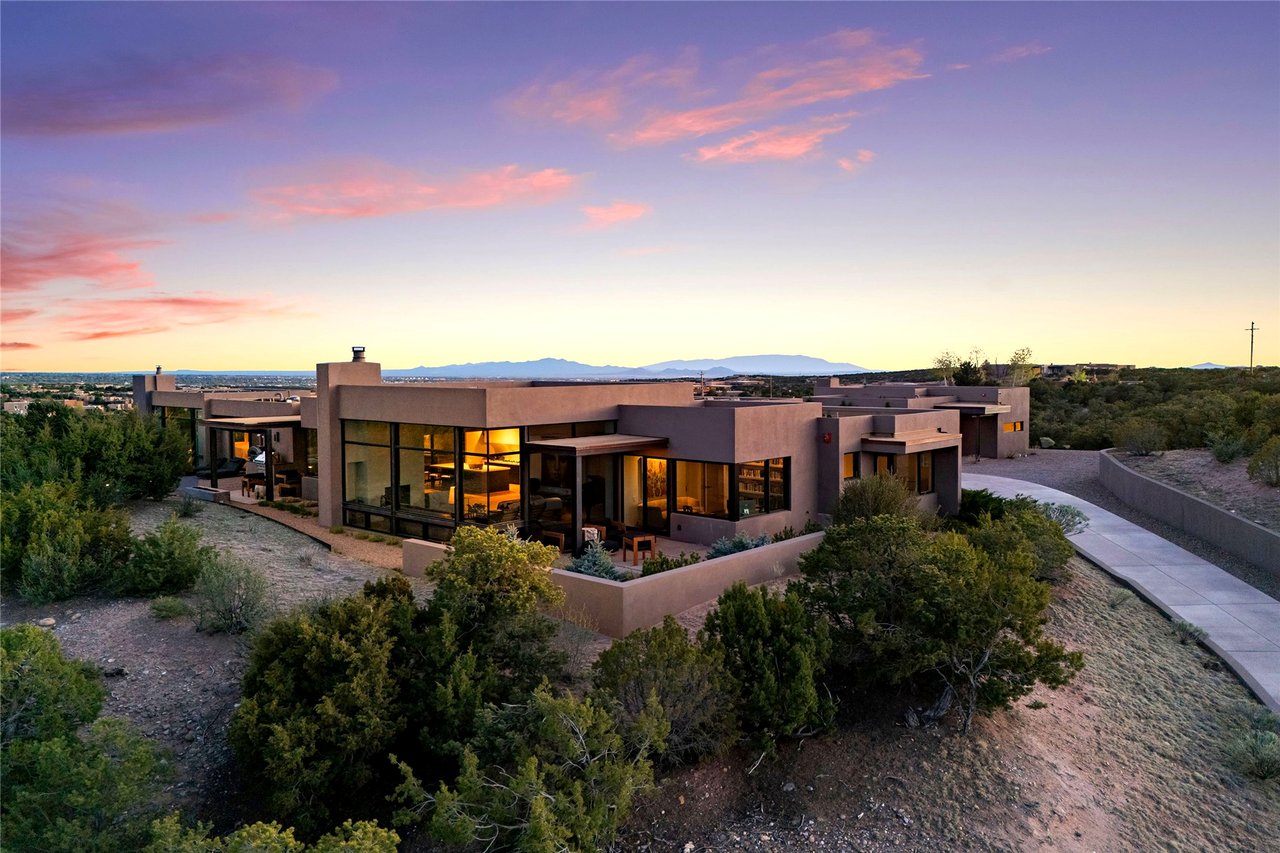
Your home is part of a larger Santa Fe story, and that context can support value when it is presented carefully. Buyers drawn to the Historic Eastside often respond to preserved streetscapes, adobe forms, courtyards, and walkability near Canyon Road’s gallery corridor. Those are real strengths that can help your listing stand out.
At the same time, the story should stay grounded in facts. If work is pending approval, say so clearly. If a feature is original, explain it accurately. In a premium but low-volume market, the most persuasive marketing is often the most specific and the most honest.
When you are preparing to sell a historic Eastside adobe, details matter. Pricing, timing, repair choices, and presentation all shape how buyers see the home and how confidently they act. If you want a private, tailored strategy for your property, Darlene Streit offers concierge-level guidance, market insight, and elevated marketing designed for distinctive Santa Fe homes.
FAQs
Do I need city approval before exterior work on a Historic Eastside home?
- Yes. In Santa Fe’s historic districts, exterior work may require review by the Historic Preservation Division before it begins, even when a construction permit is not required.
What repairs matter most before selling a historic adobe in Santa Fe?
- Moisture-related repairs usually matter most, including roof drainage, flashing, downspouts, leak repair, compatible plaster or mortar work, and clearing vegetation away from walls.
How should I price a Historic Eastside adobe in Santa Fe?
- Pricing should reflect the home’s real condition, originality, repair history, and location within the district, not just charm or square footage.
What original features should I keep in a historic Eastside adobe?
- Original windows, doors, vigas, portals, deep wall openings, wood elements, and stable historic plaster are often worth retaining when they remain sound and authentic.
What kind of staging works best for a historic adobe in Santa Fe?
- Light, restrained staging usually works best because it helps buyers see the architecture, wall thickness, beams, natural light, and courtyard flow without distracting from the home’s character.
How should I market a historic adobe near Canyon Road?
- The strongest marketing highlights verified details such as original features, compatible repairs, walkability to Canyon Road, and the home’s place within Santa Fe’s preserved architectural setting.