If you picture stepping out your front door and strolling to galleries, historic sites, and cafés, you’re already imagining life in Santa Fe’s Historic Eastside. You want charm and convenience, but you also want to know the tradeoffs and how to navigate a protected district. This guide gives you a clear look at lifestyle, housing, rules, maintenance, and how the Eastside compares to nearby areas. Let’s dive in.
Historic Eastside defined
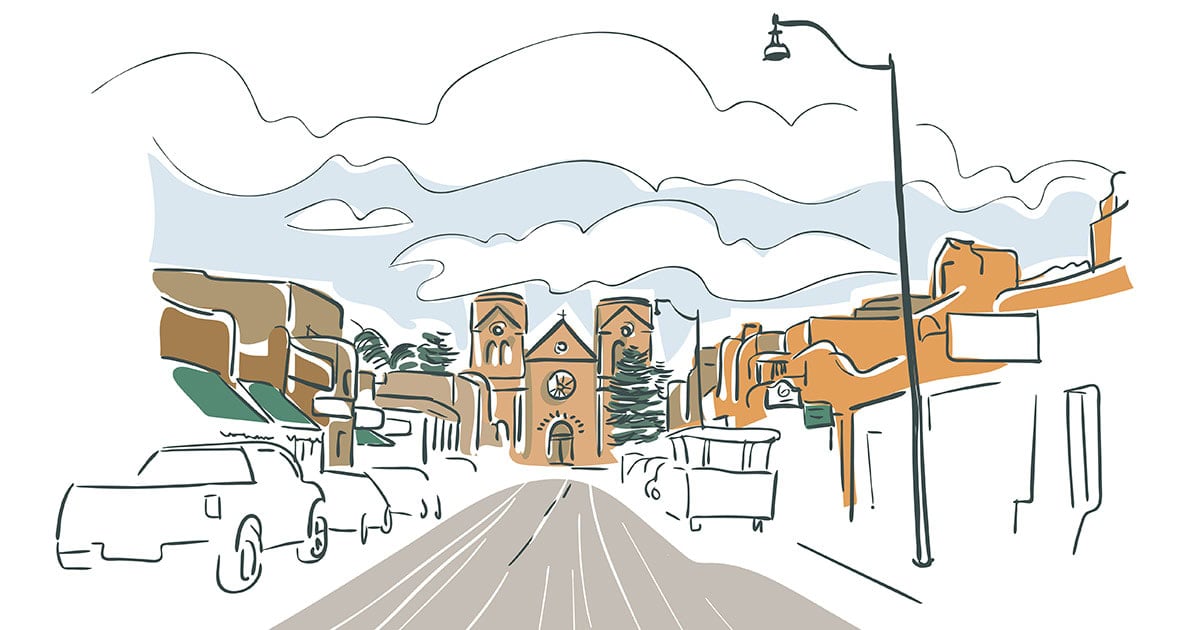
The Historic Eastside typically refers to the portion of Santa Fe’s Historic District east of the Plaza. It includes East Palace Avenue, Old Santa Fe Trail, parts of Canyon Road and Camino del Monte Sol, and the surrounding lanes and alleys. Exact boundaries vary depending on whether you use the National Register of Historic Places or the City of Santa Fe’s local maps. For this guide, “Historic Eastside” means the walkable historic neighborhood east of the Plaza and around Canyon Road.
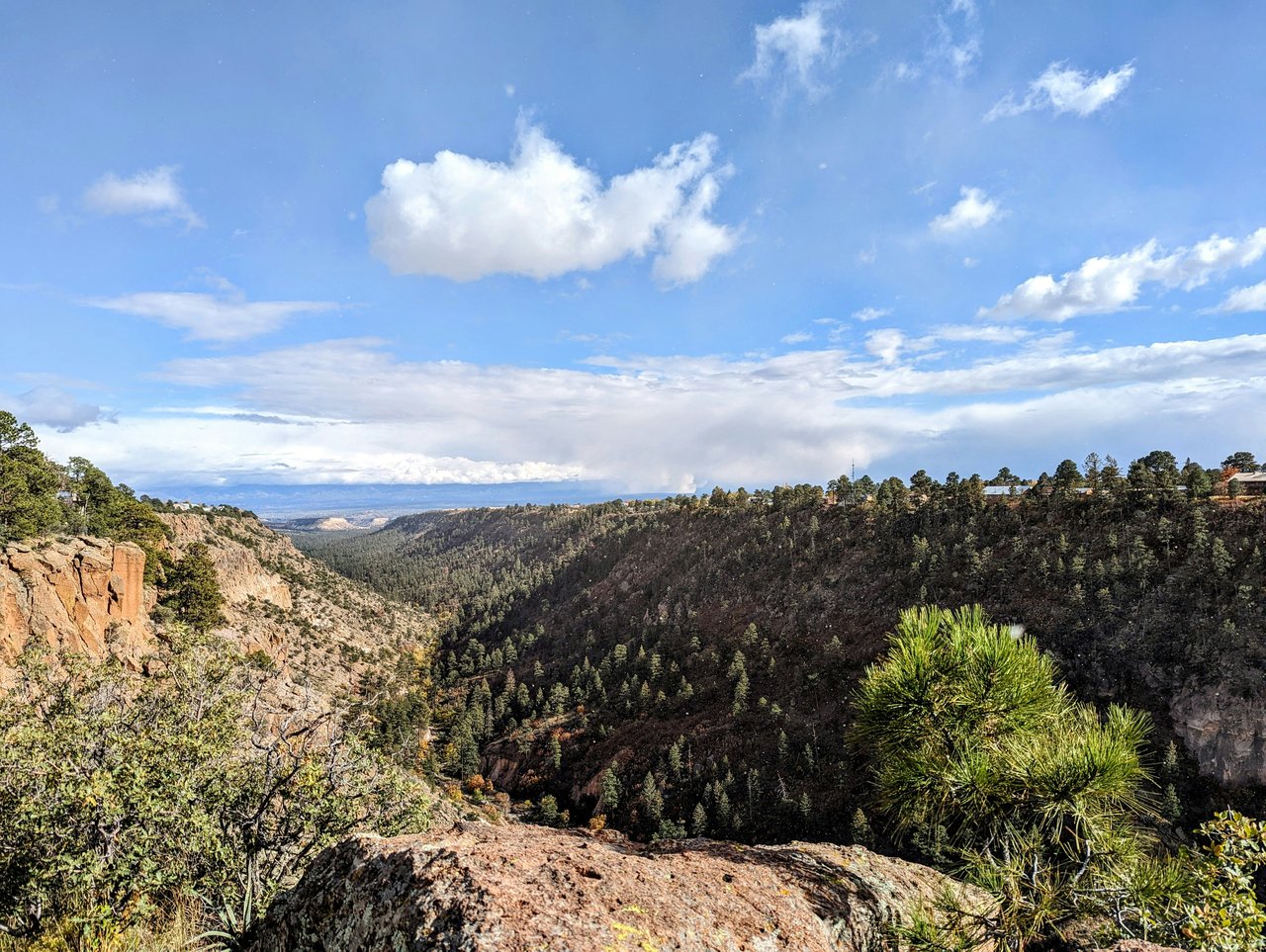
You live at roughly 7,000–7,300 feet in a high‑desert climate with abundant sunshine and low humidity. Winters are cold with periodic snow, and the sun is strong year‑round. The terrain is mostly gentle, with foothills and mountain views visible from many vantage points.
Architecture and streetscape
Adobe styles and features
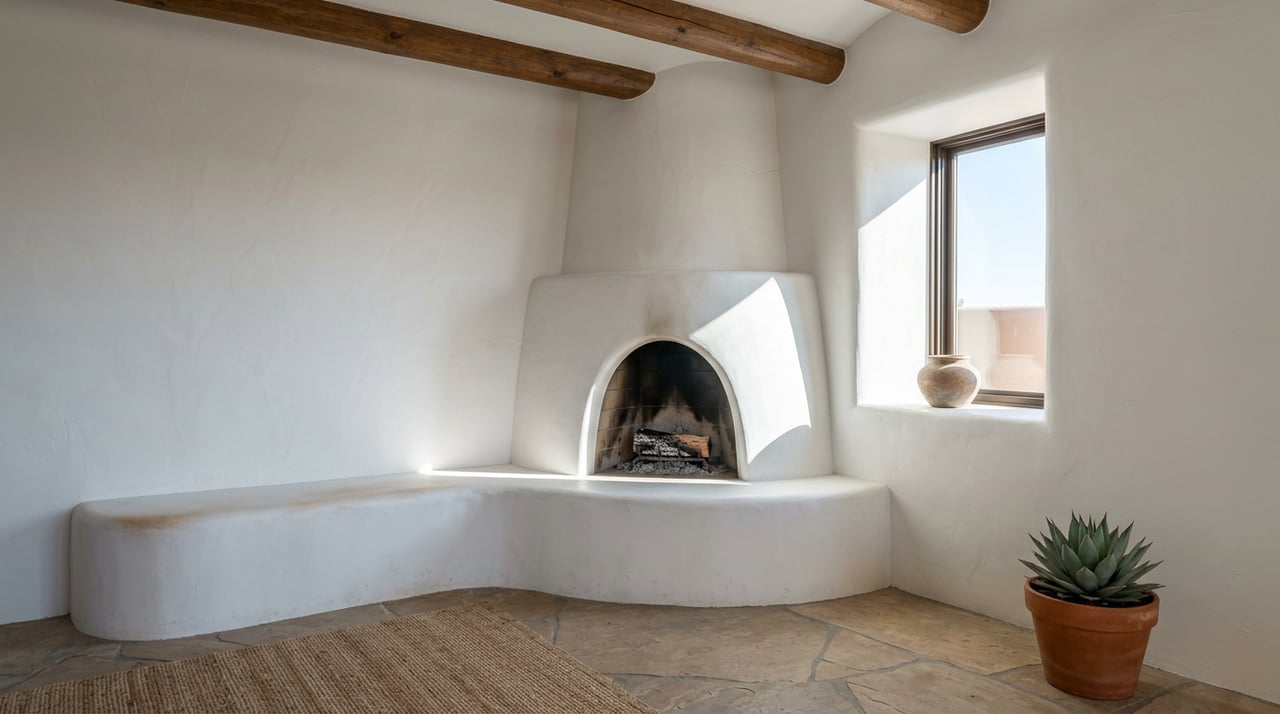
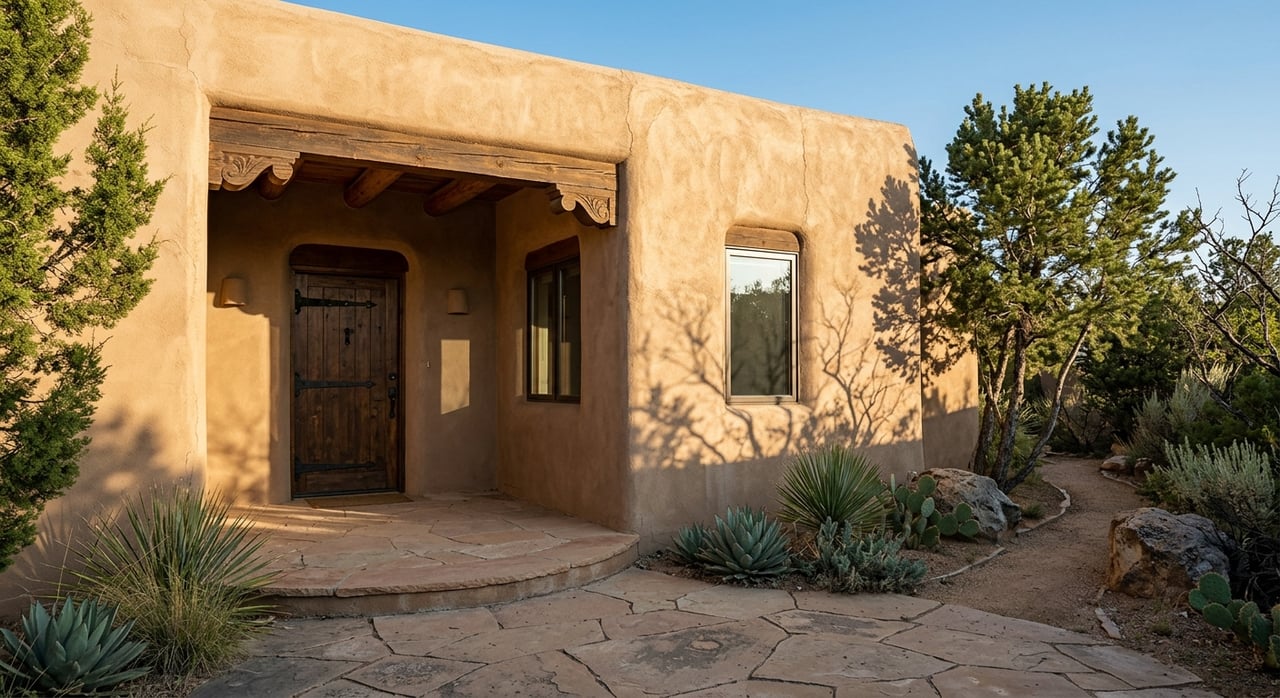
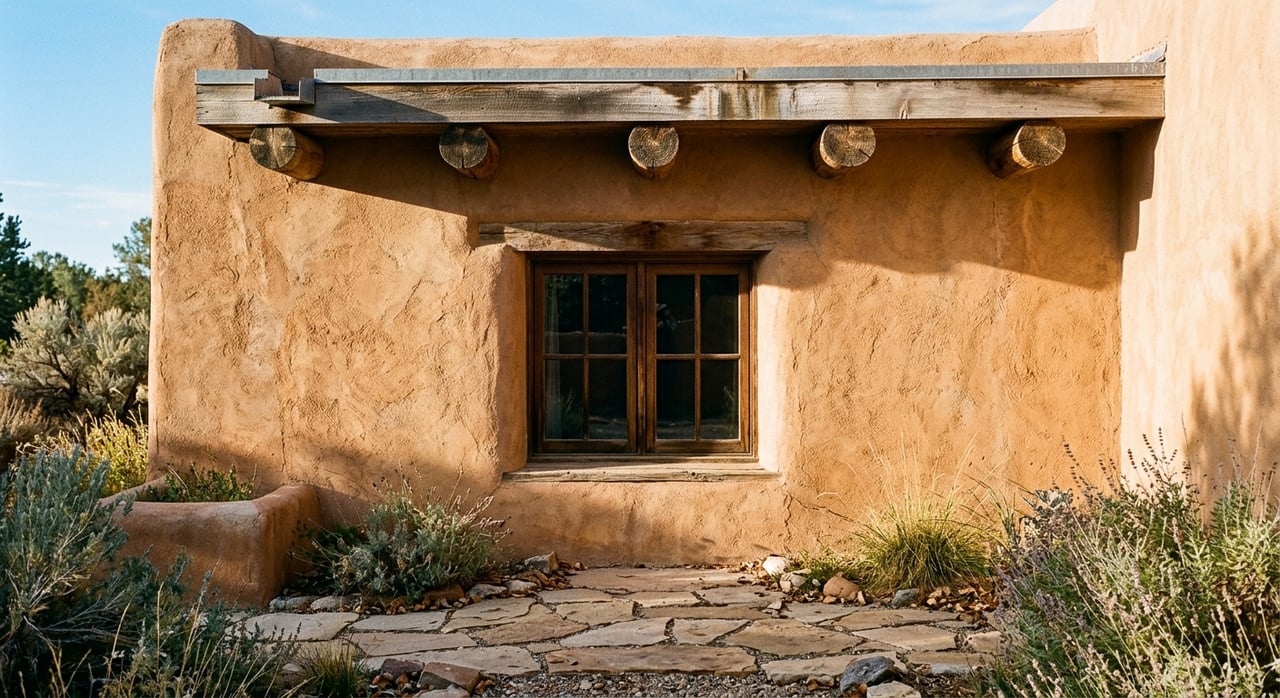
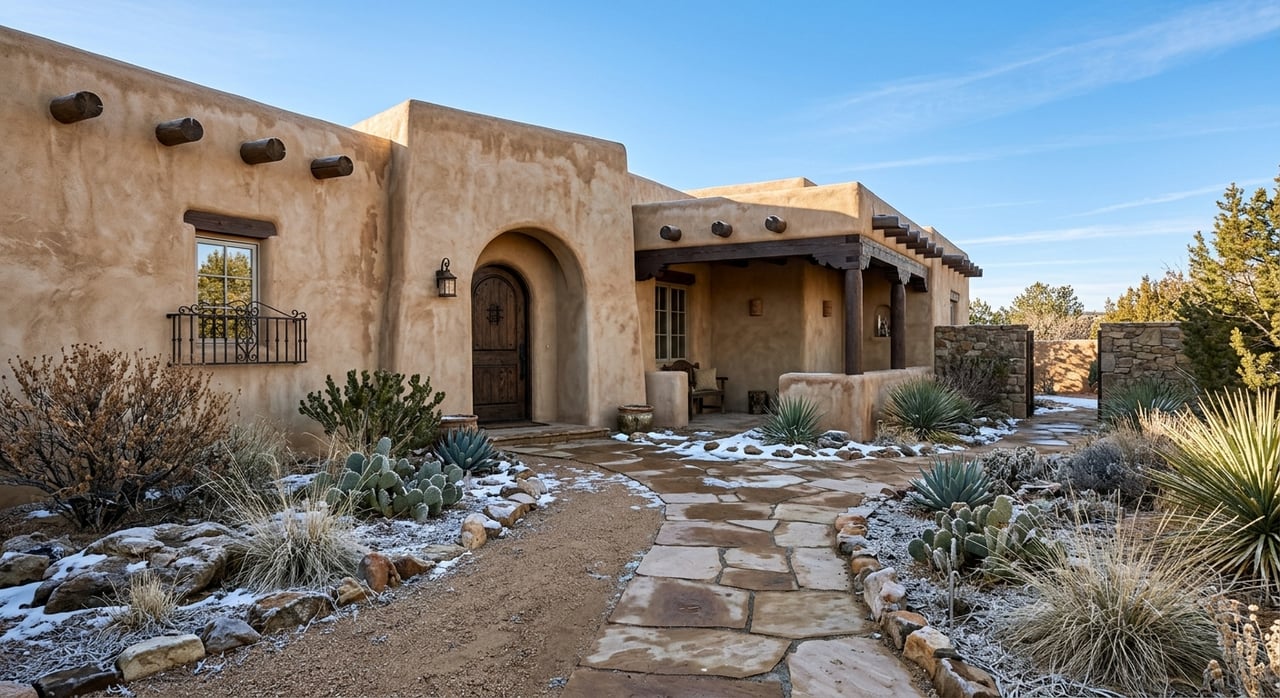
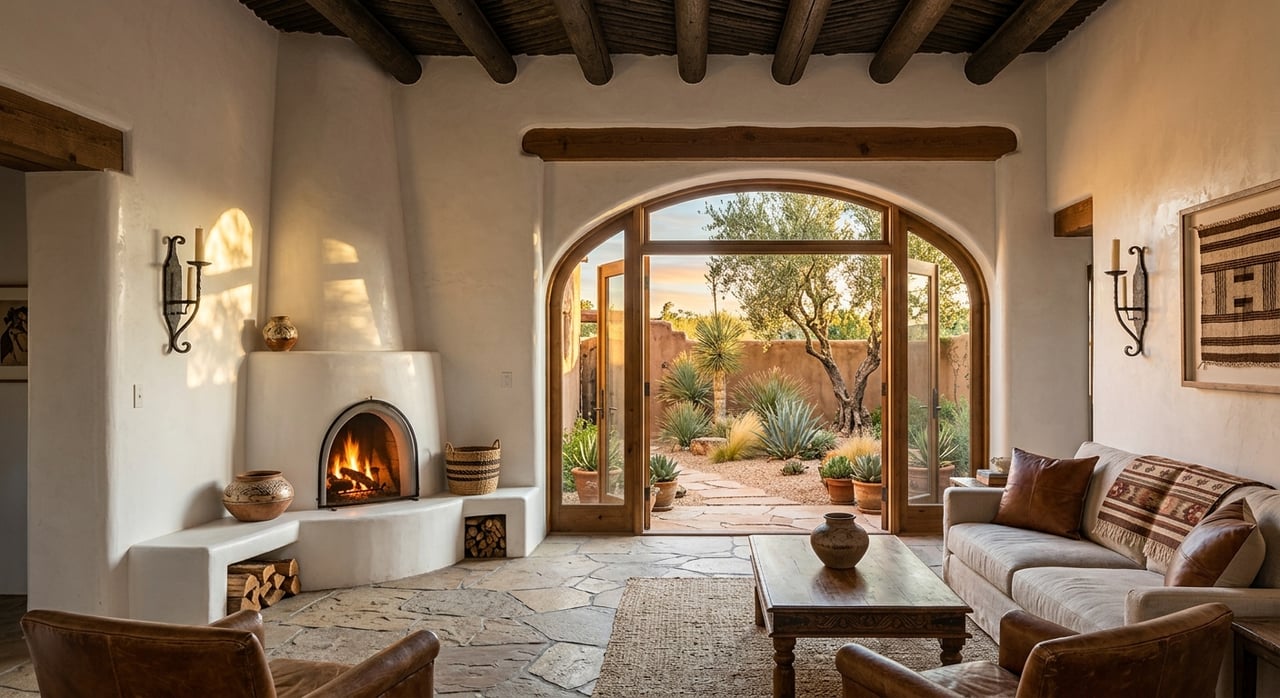
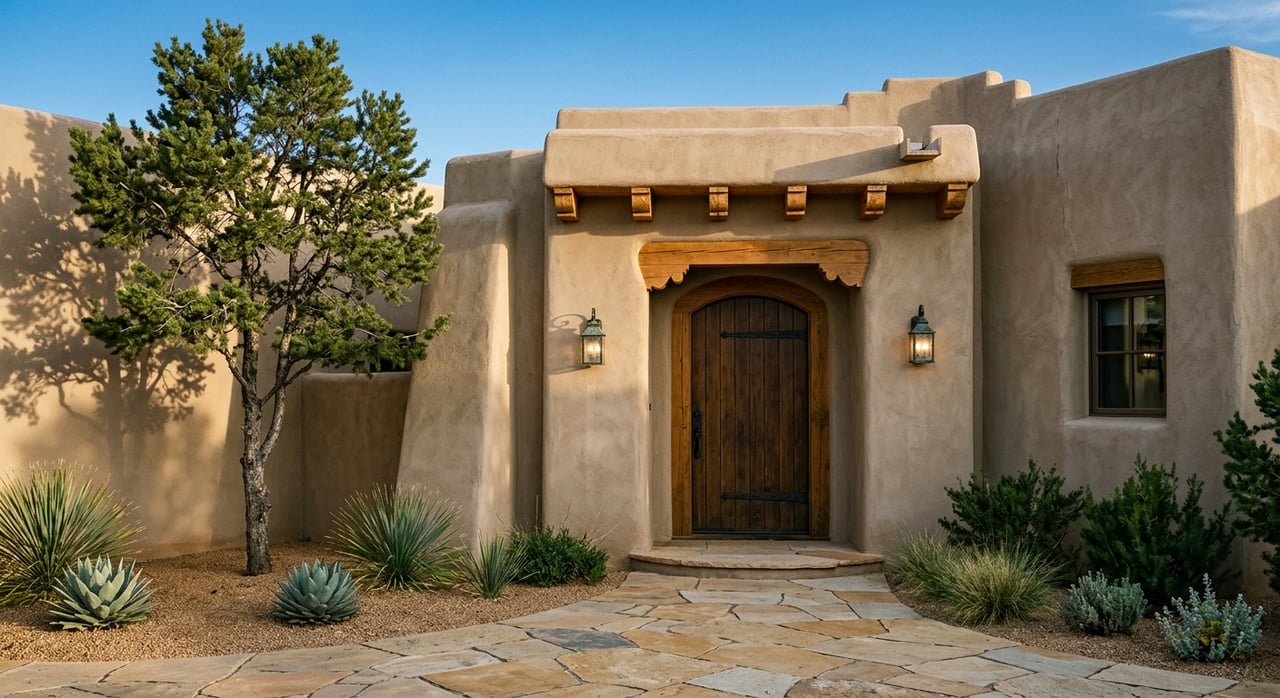
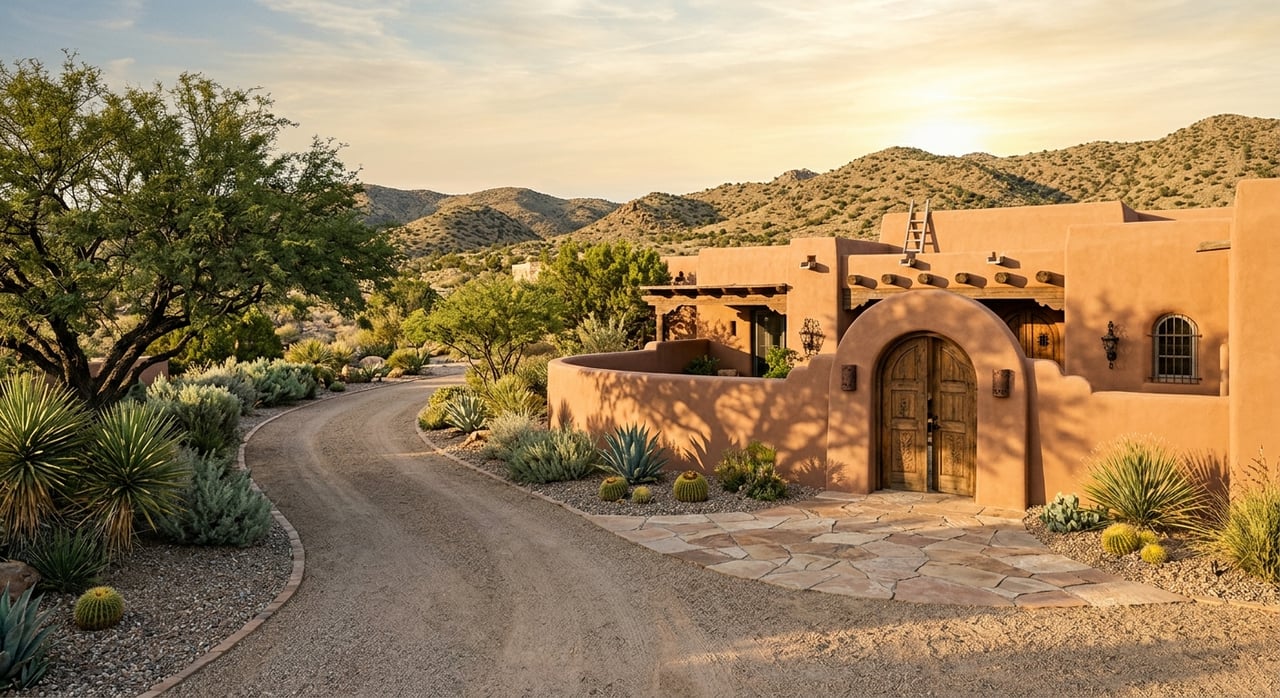
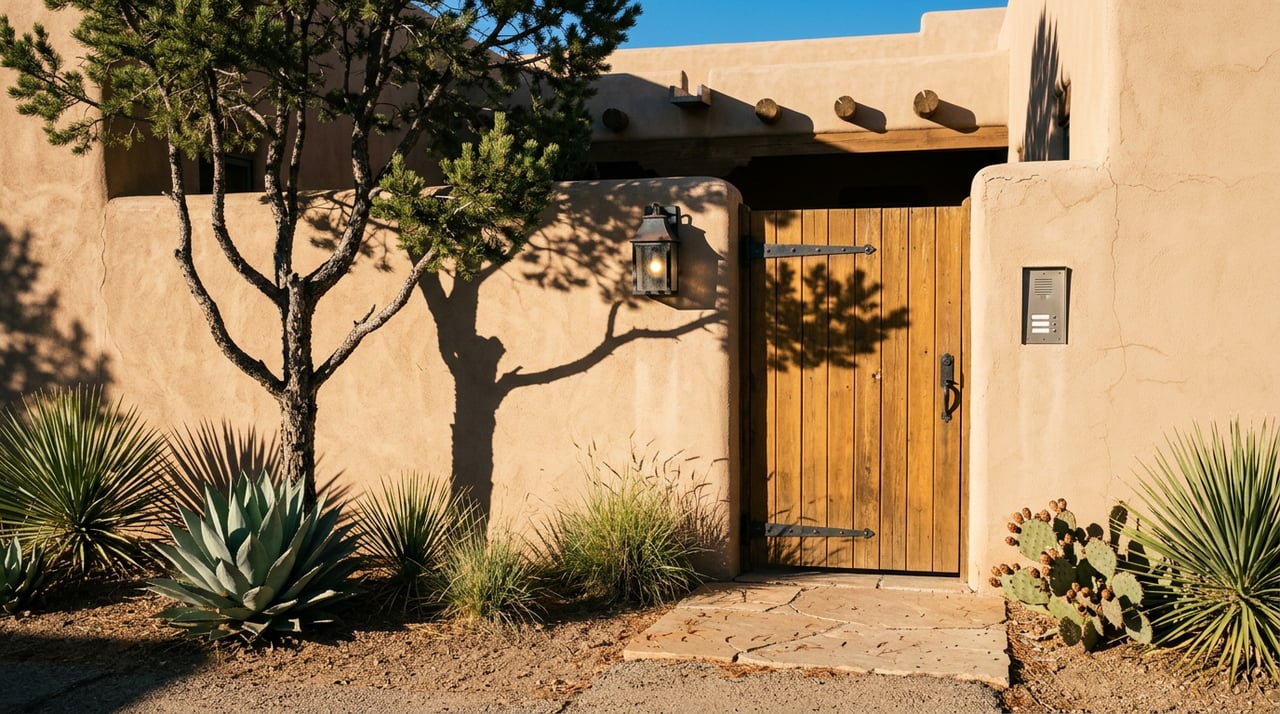
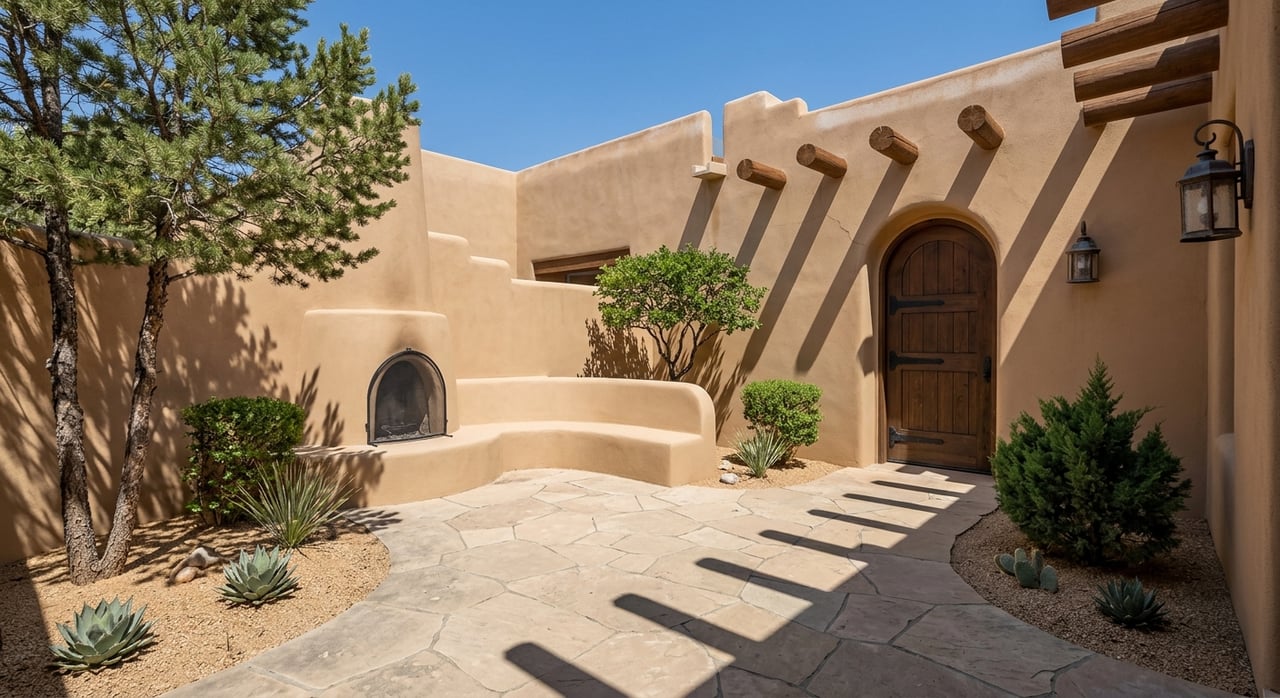
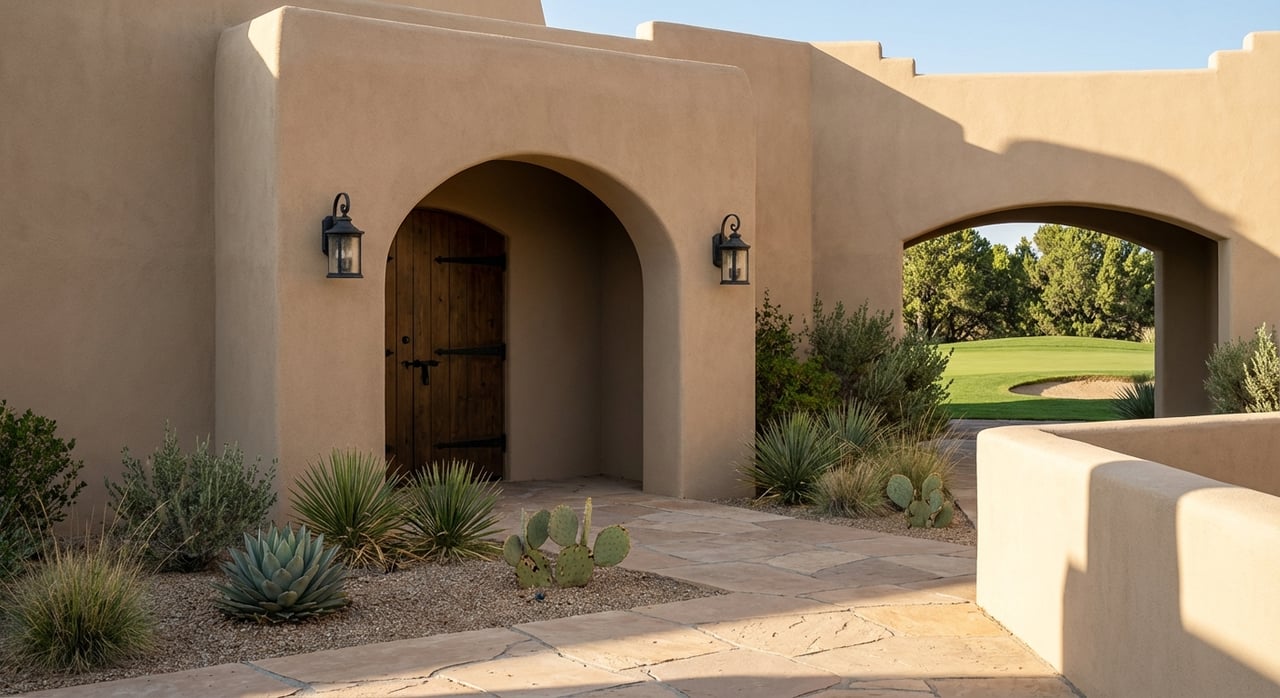
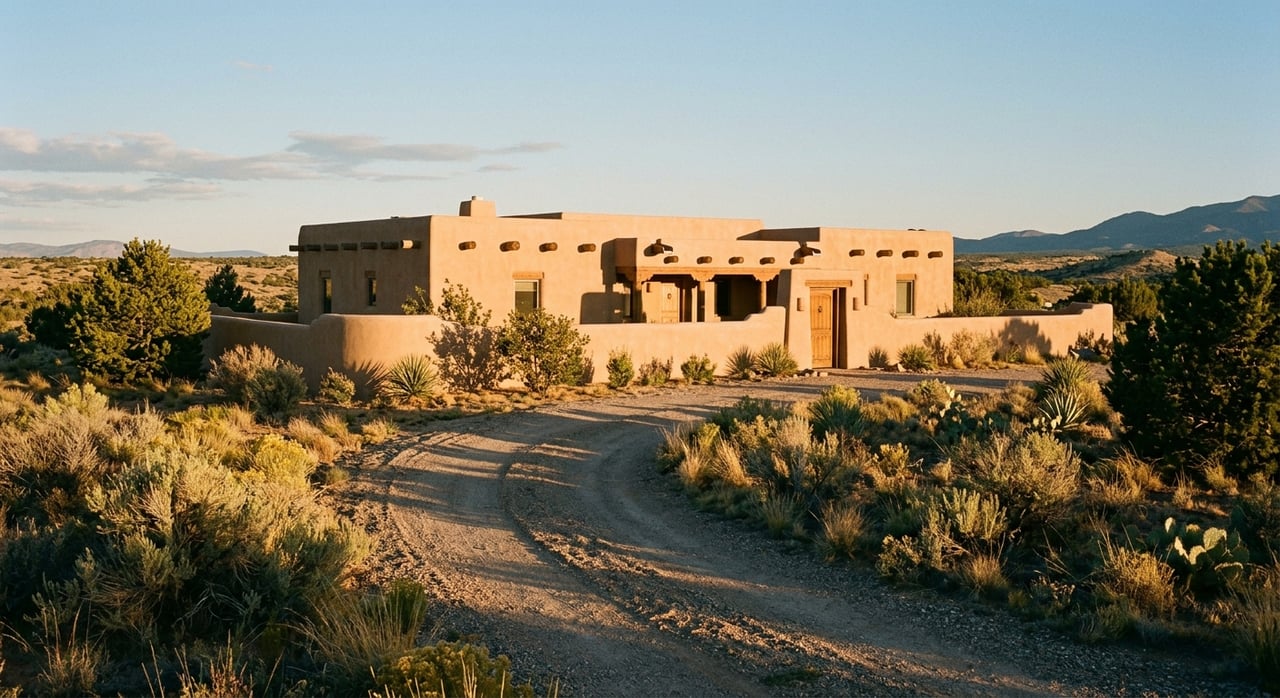
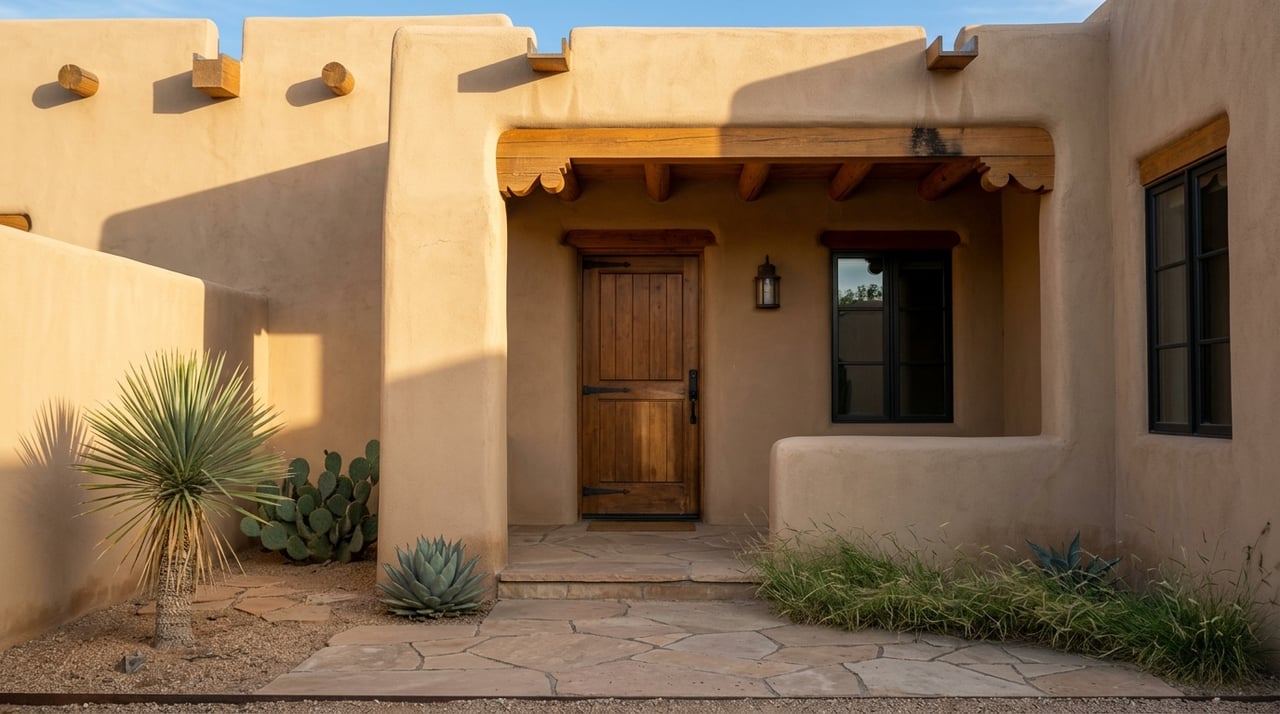
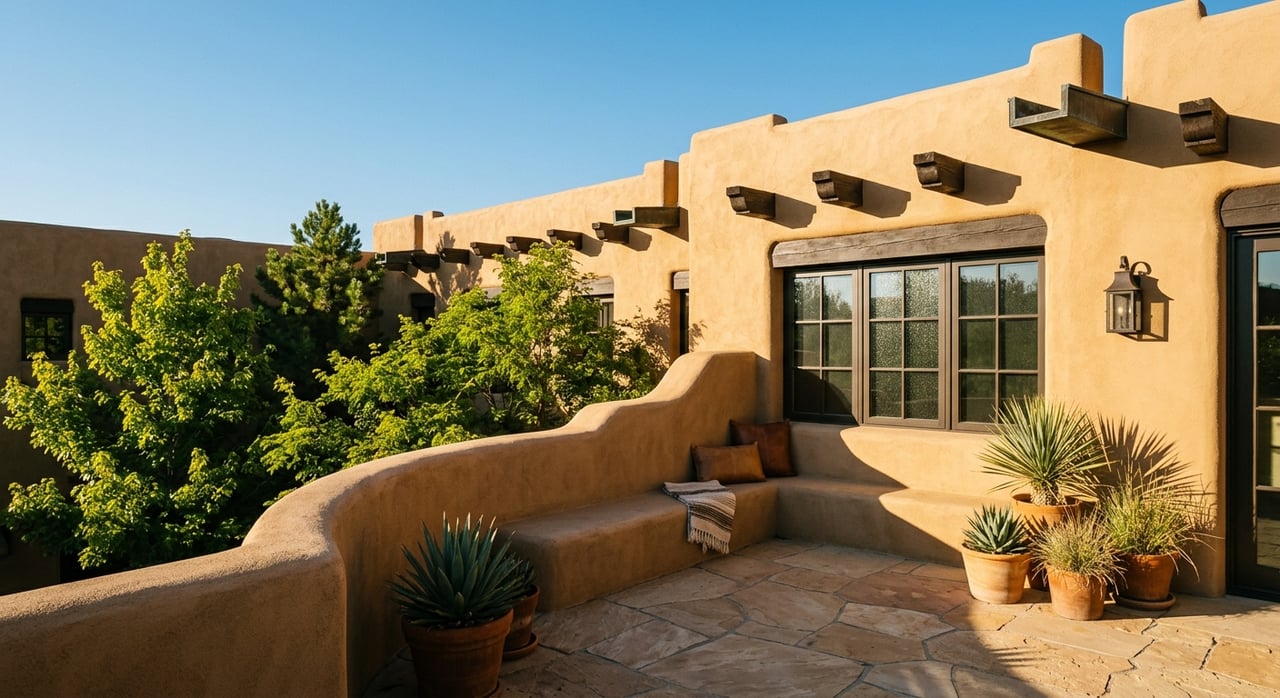
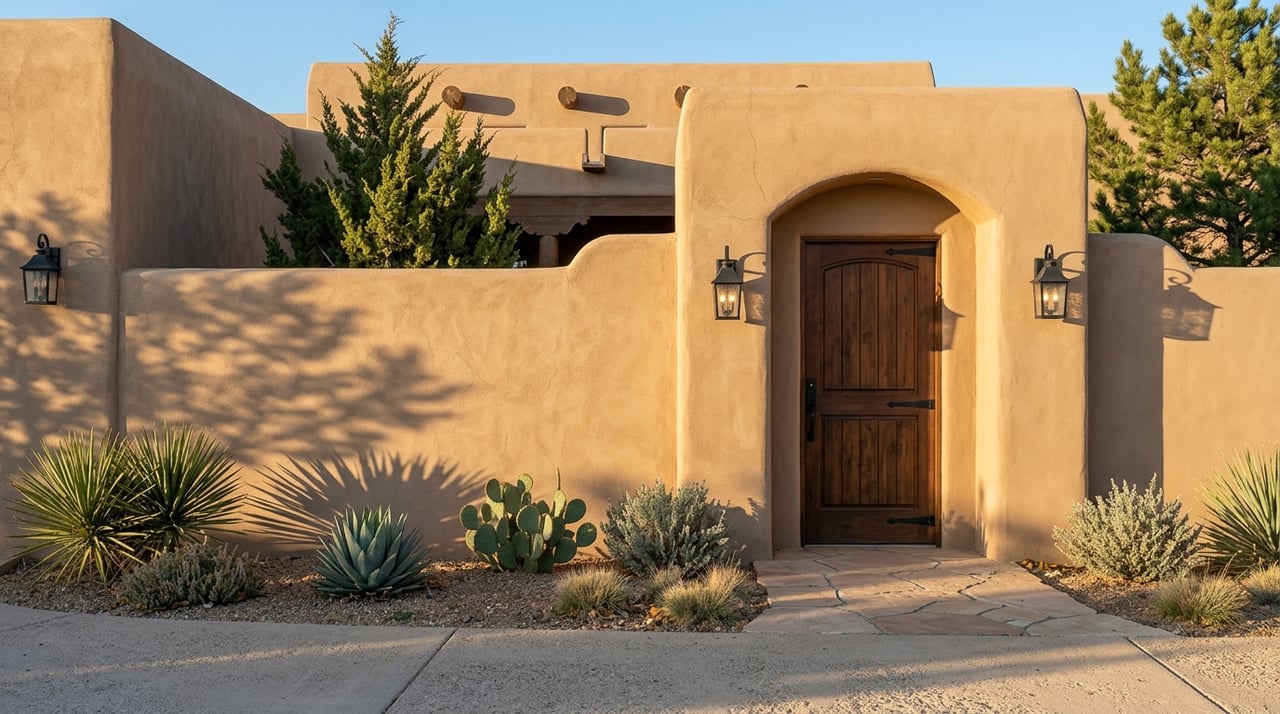
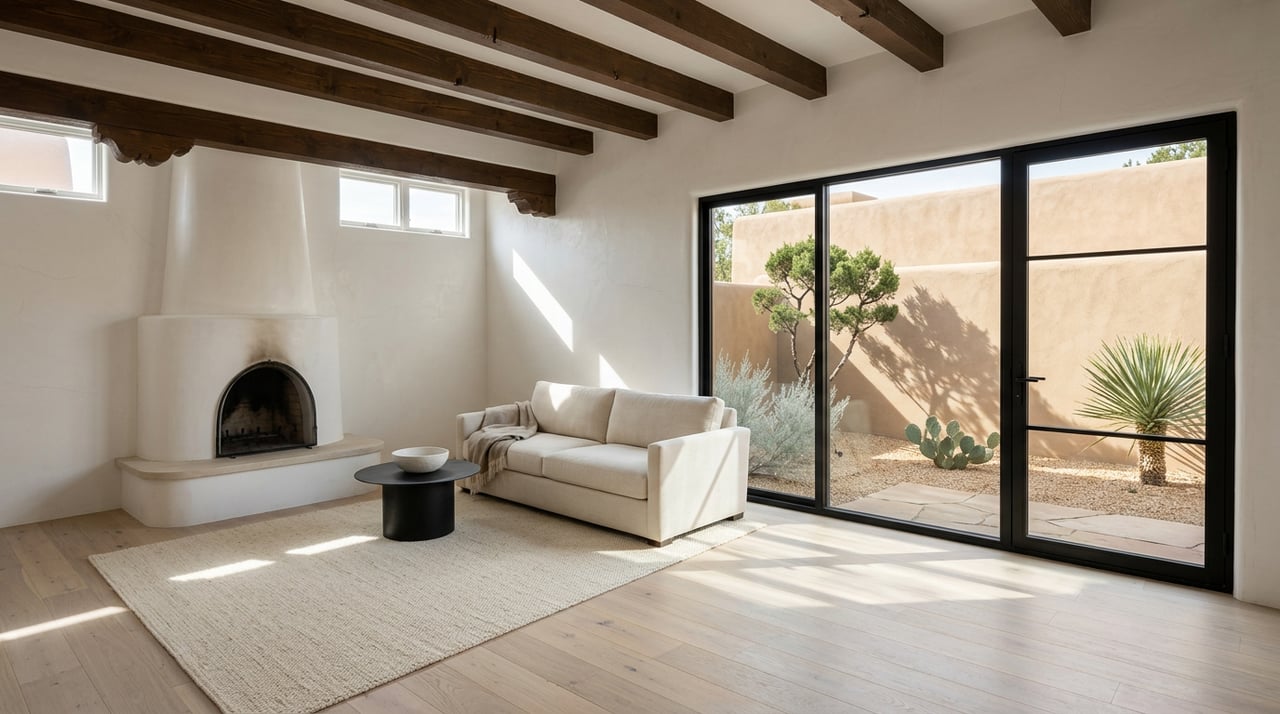
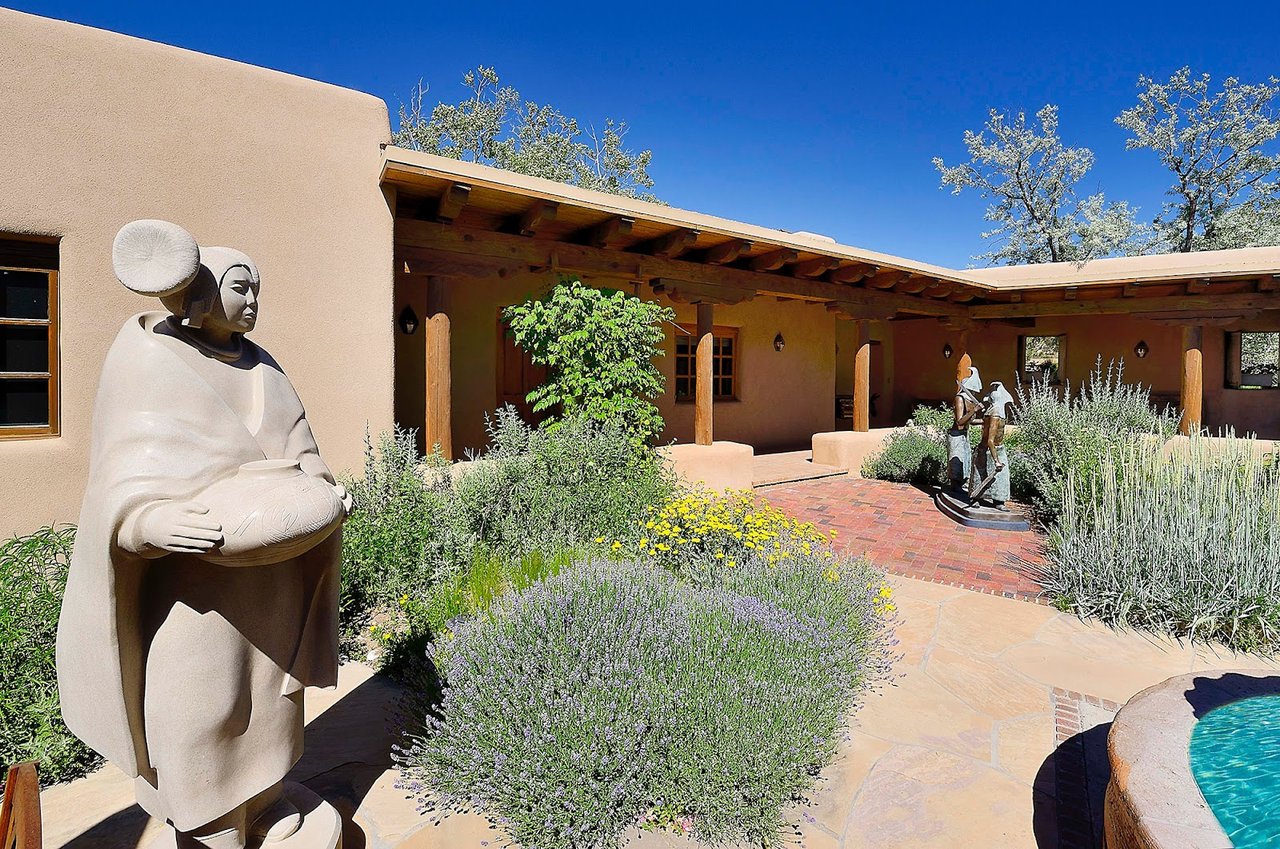
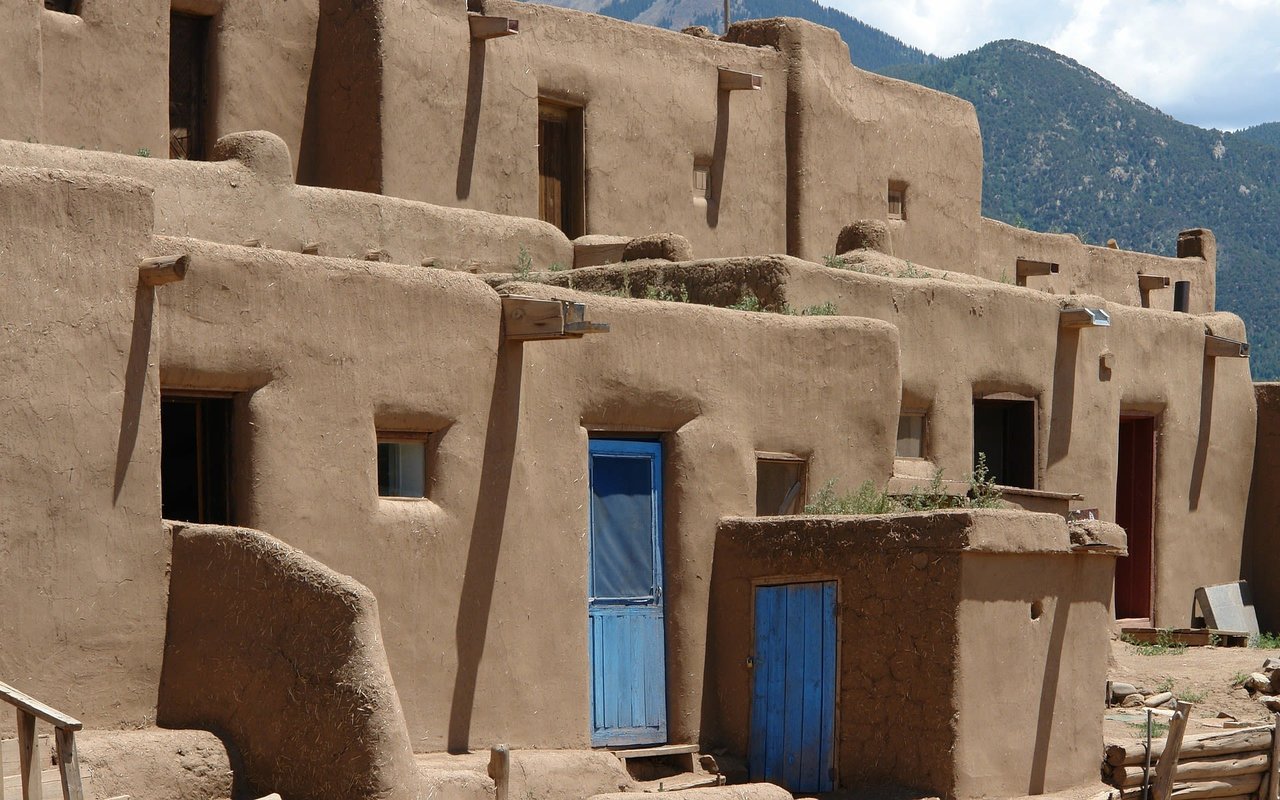
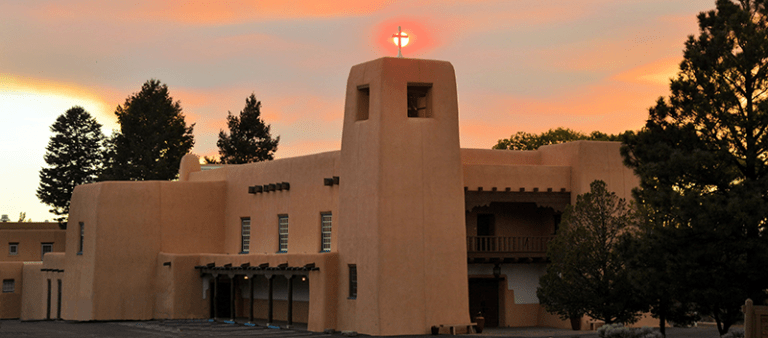
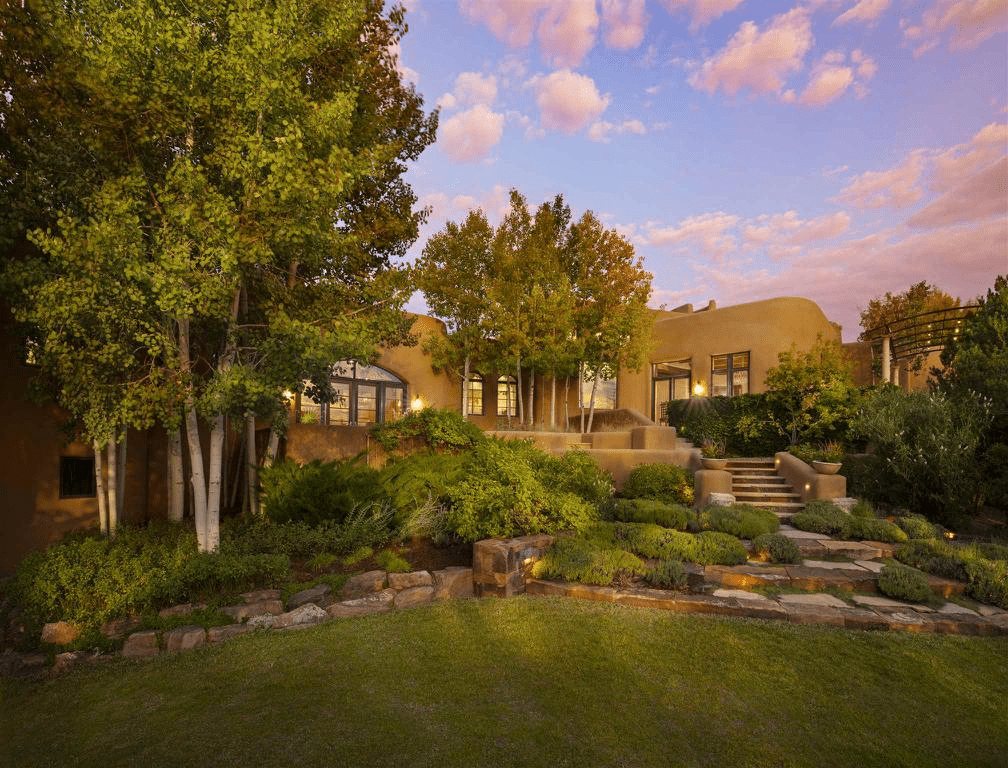
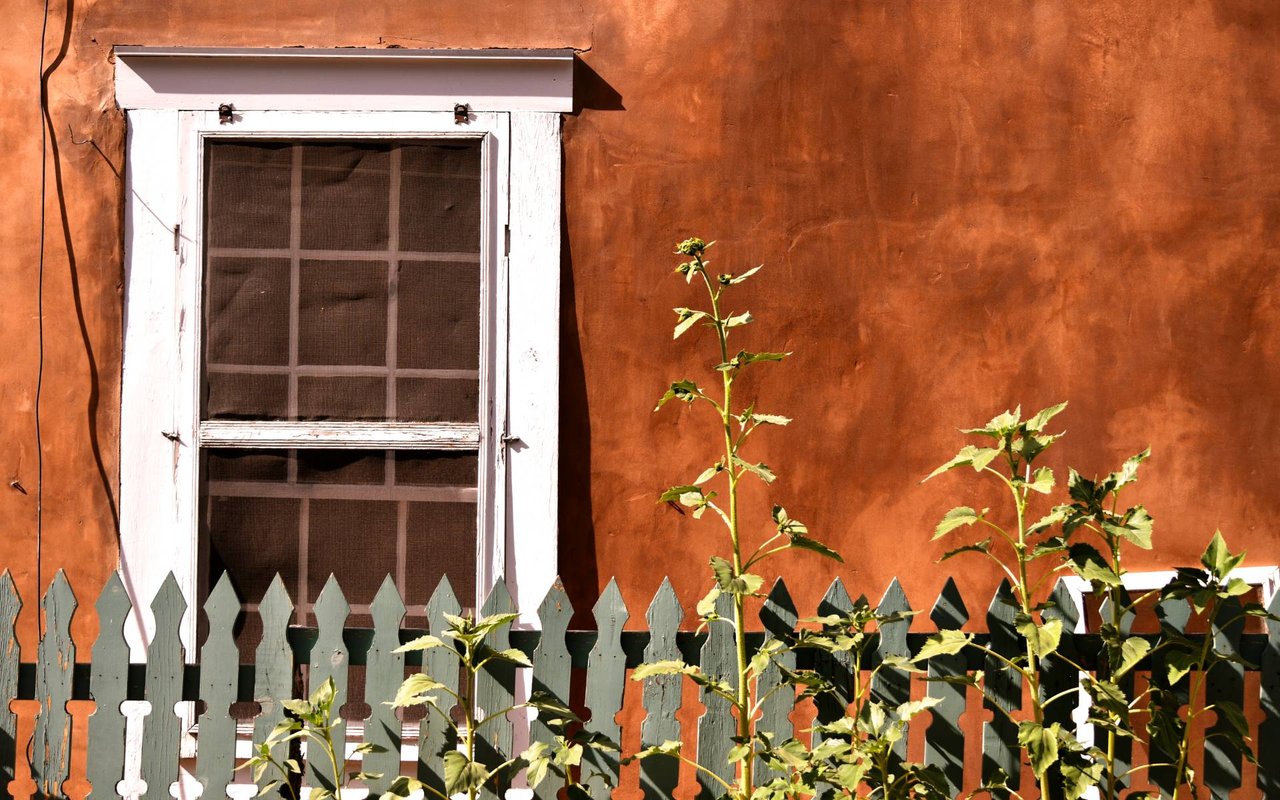
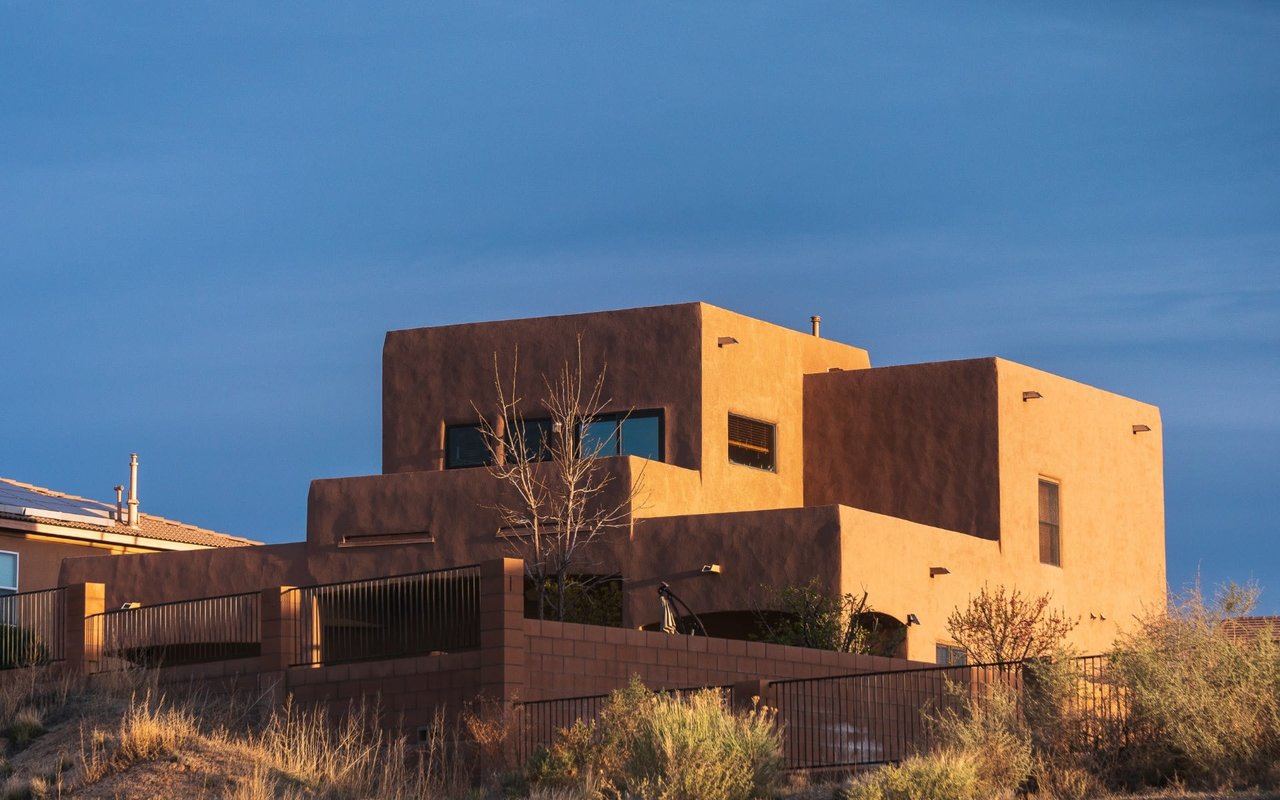
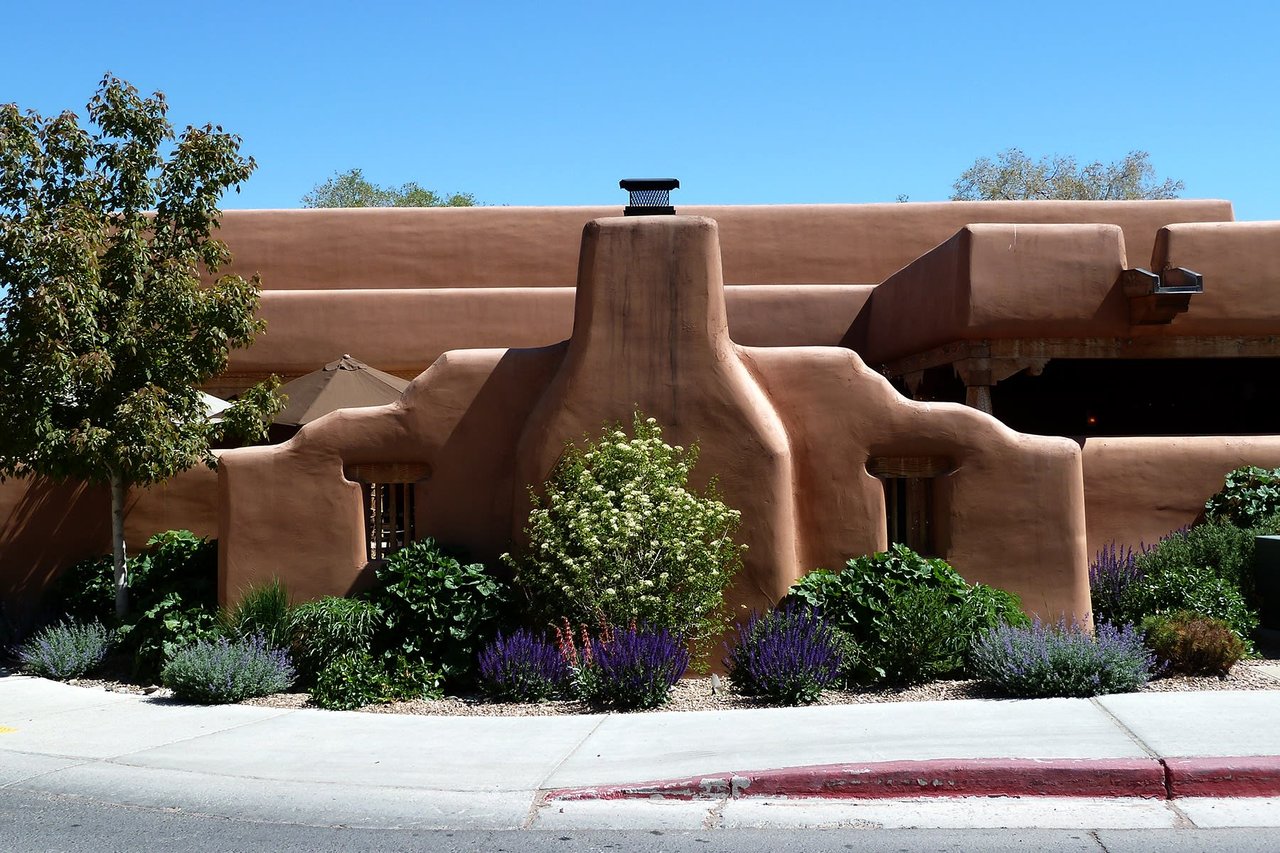
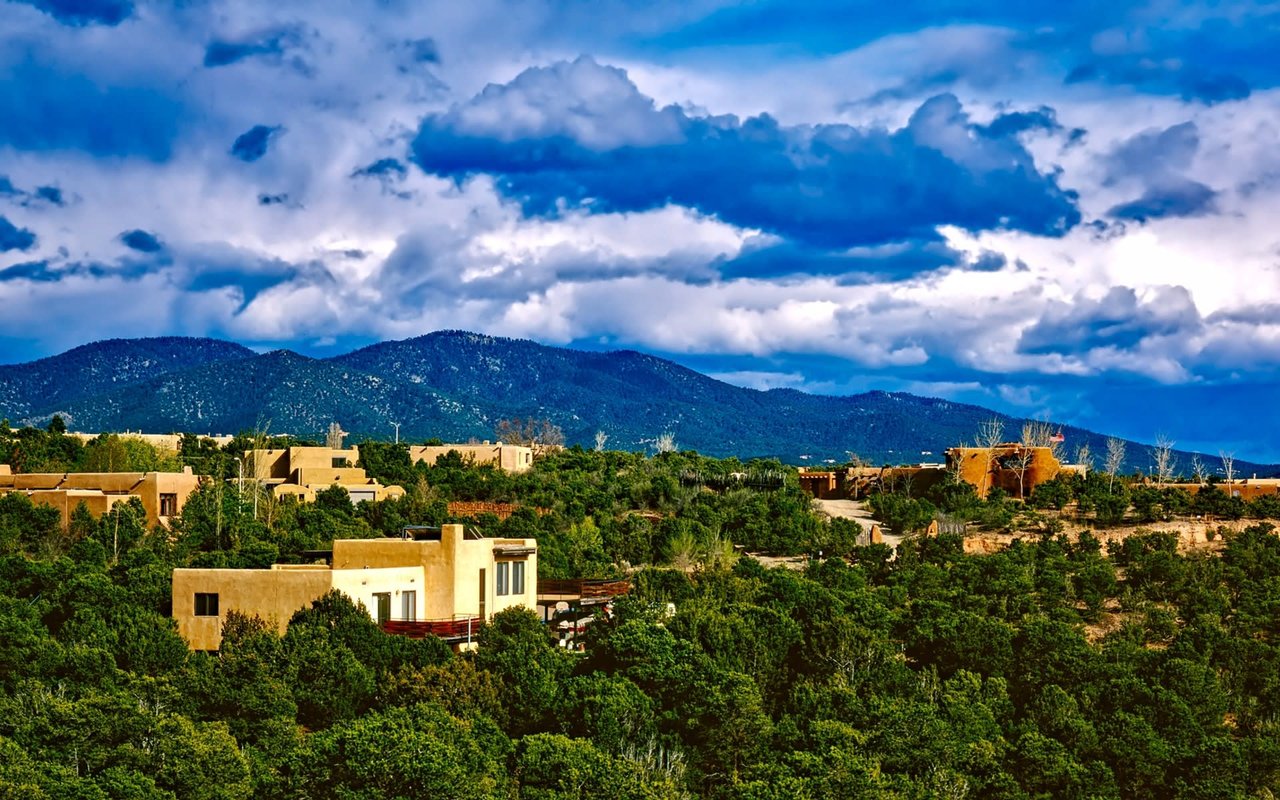
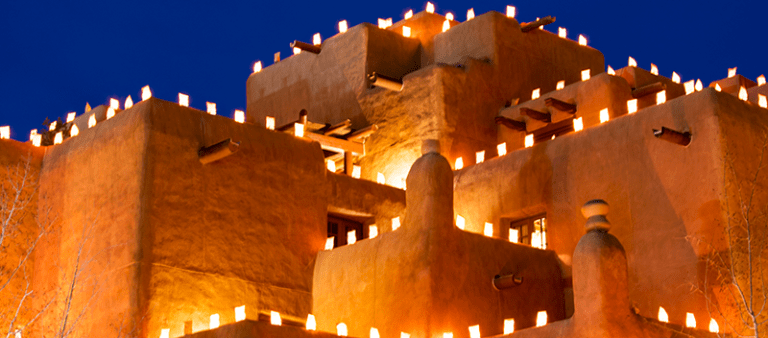
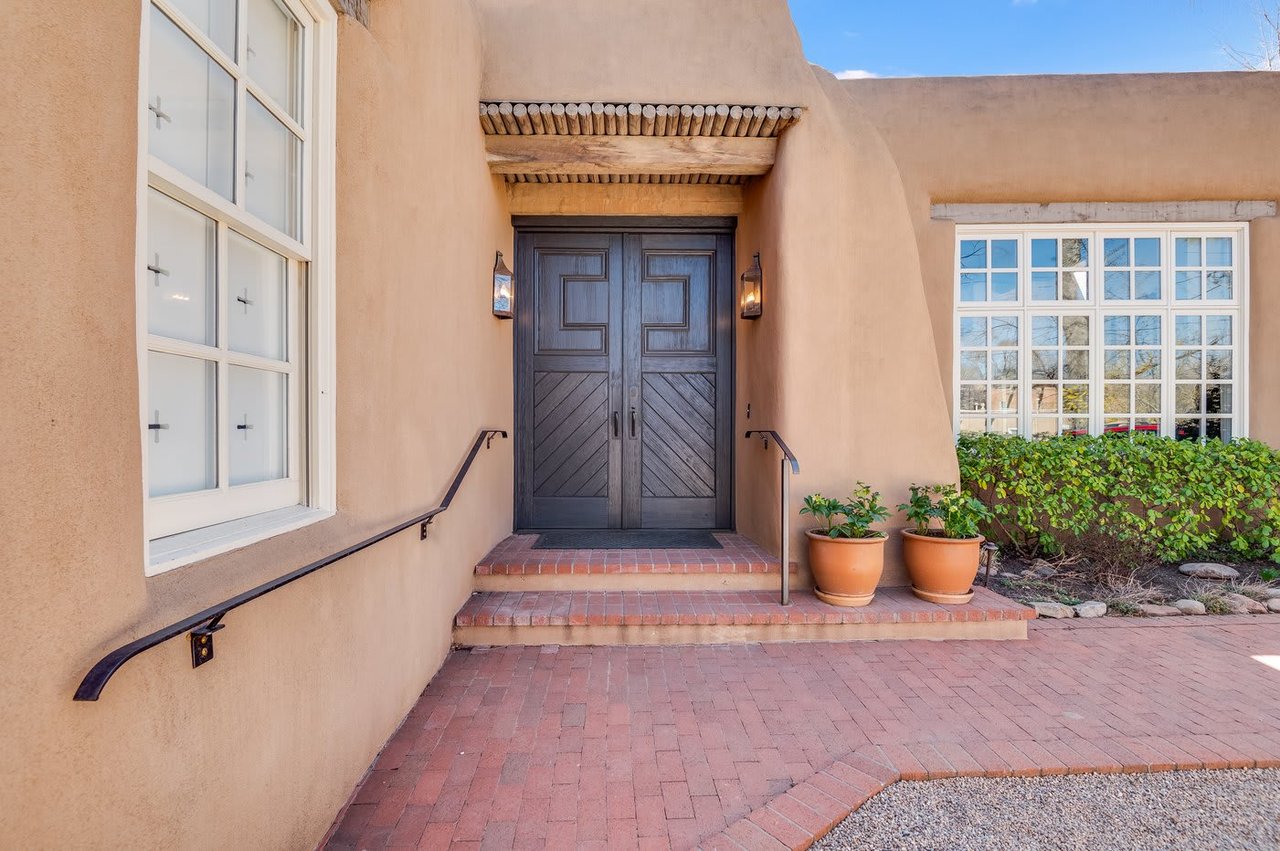
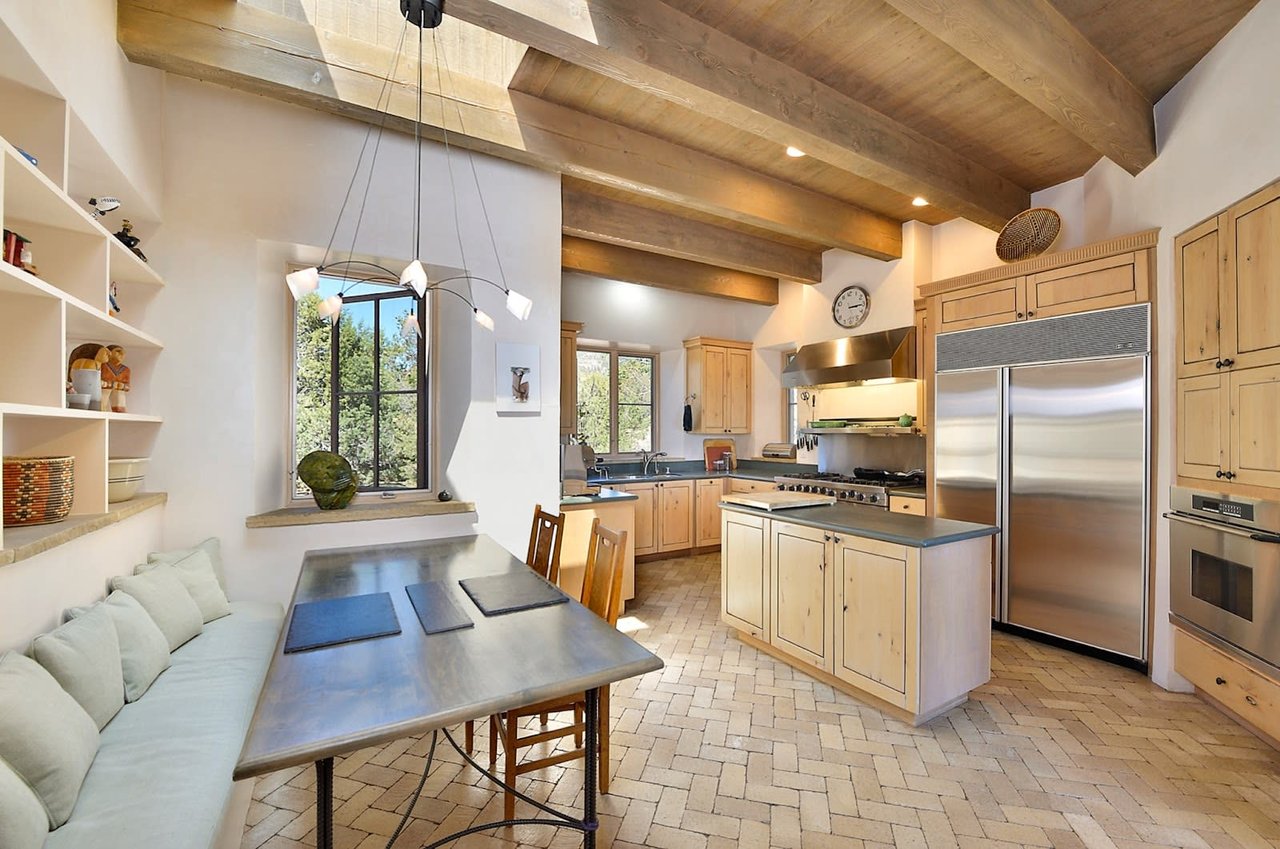
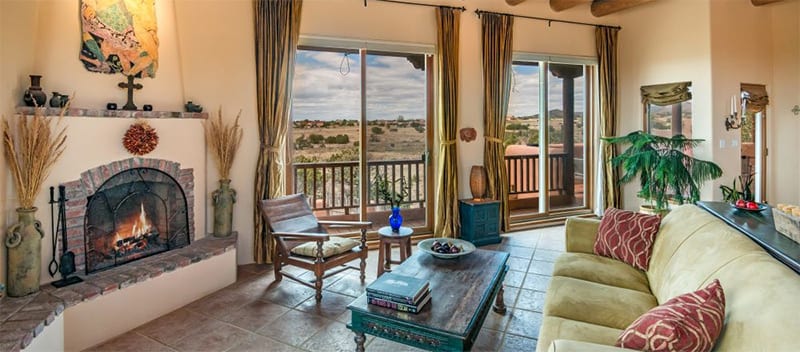
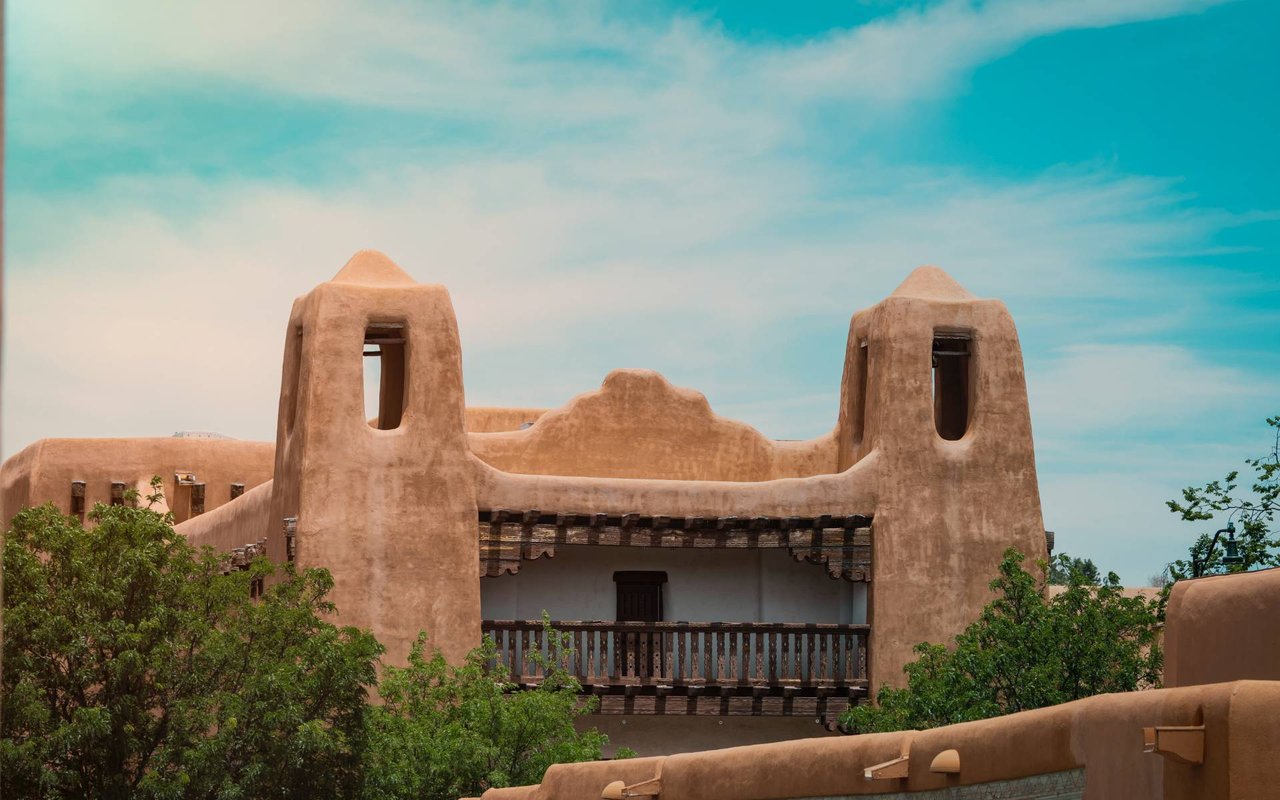
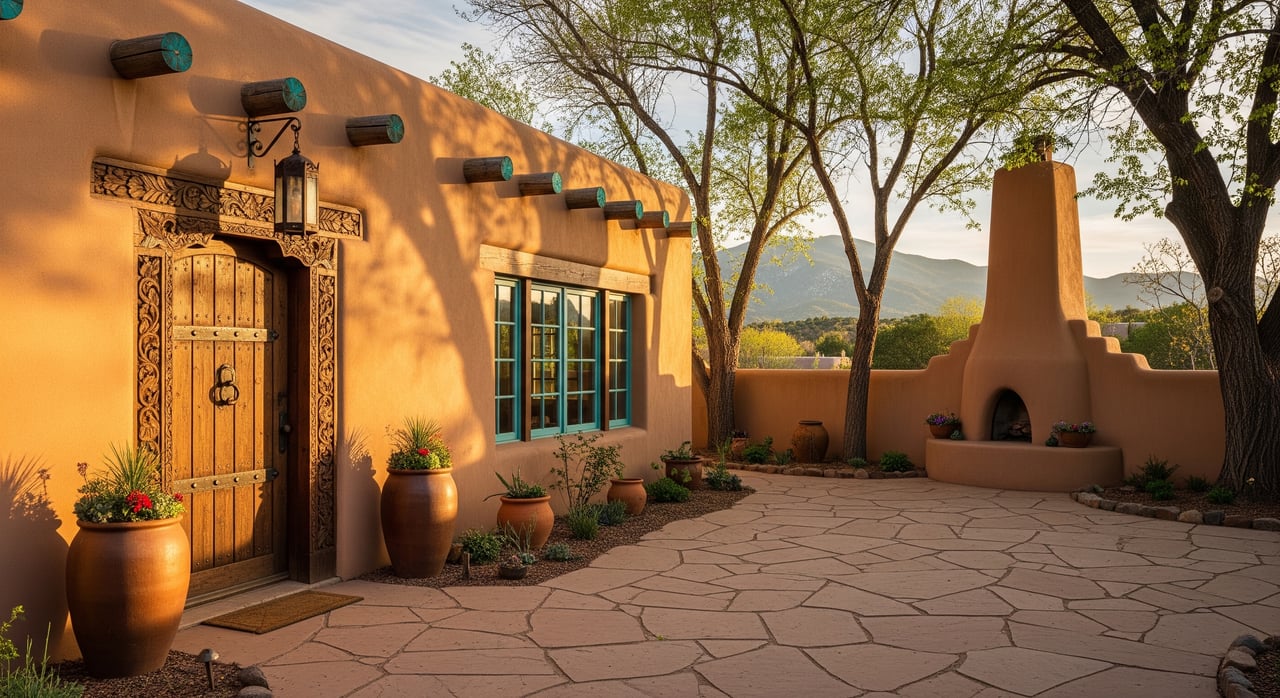
You will see one of the largest concentrations of adobe and Pueblo, Spanish Colonial, and Territorial Revival architecture in the country. Thick adobe or stucco walls, flat roofs with parapets, vigas and latillas, and rounded corners define the look. Interiors often feature nichos, bancos, and kiva fireplaces that add warmth and texture.
Courtyards and compounds
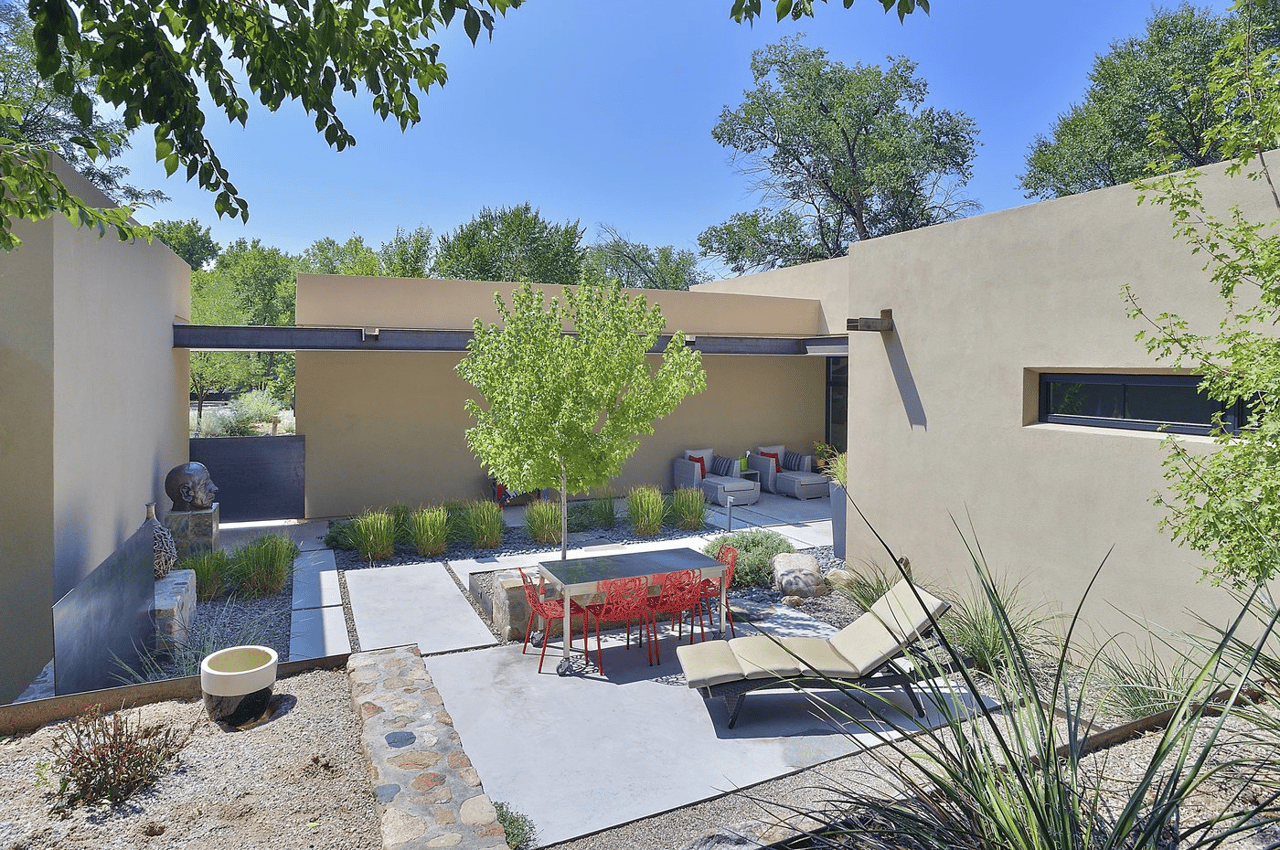
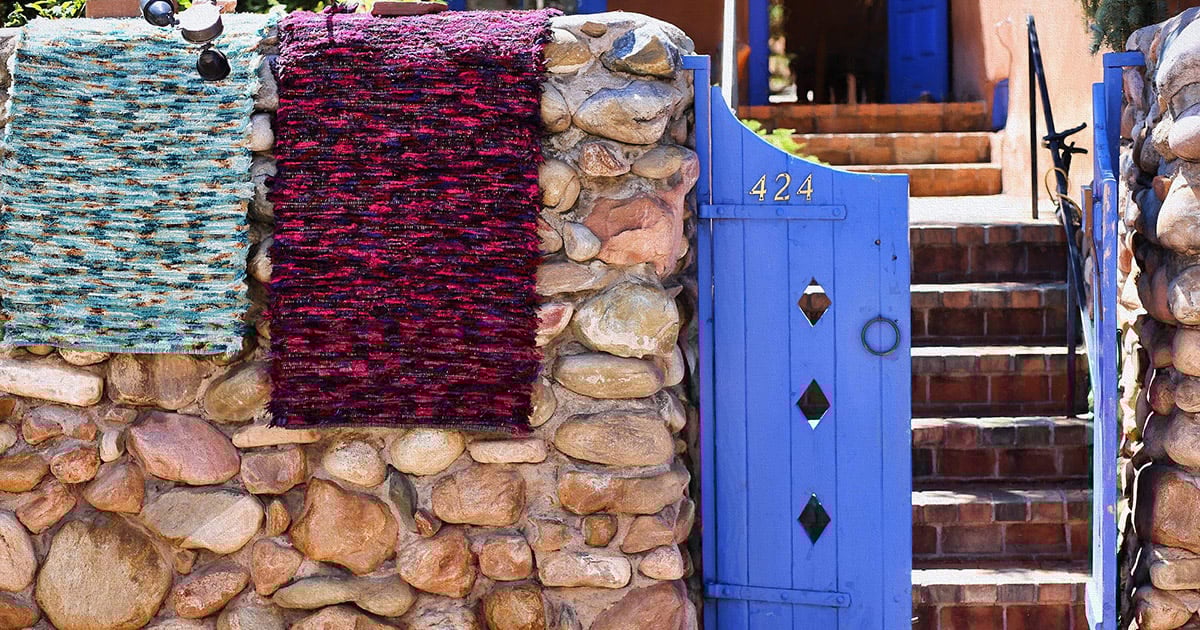
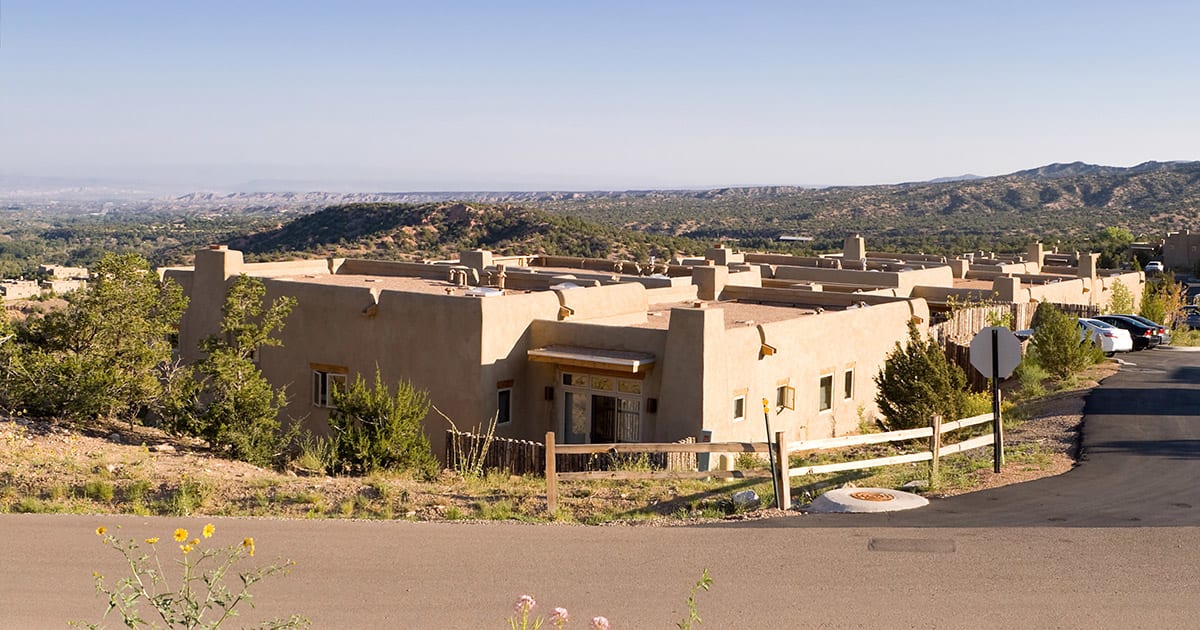
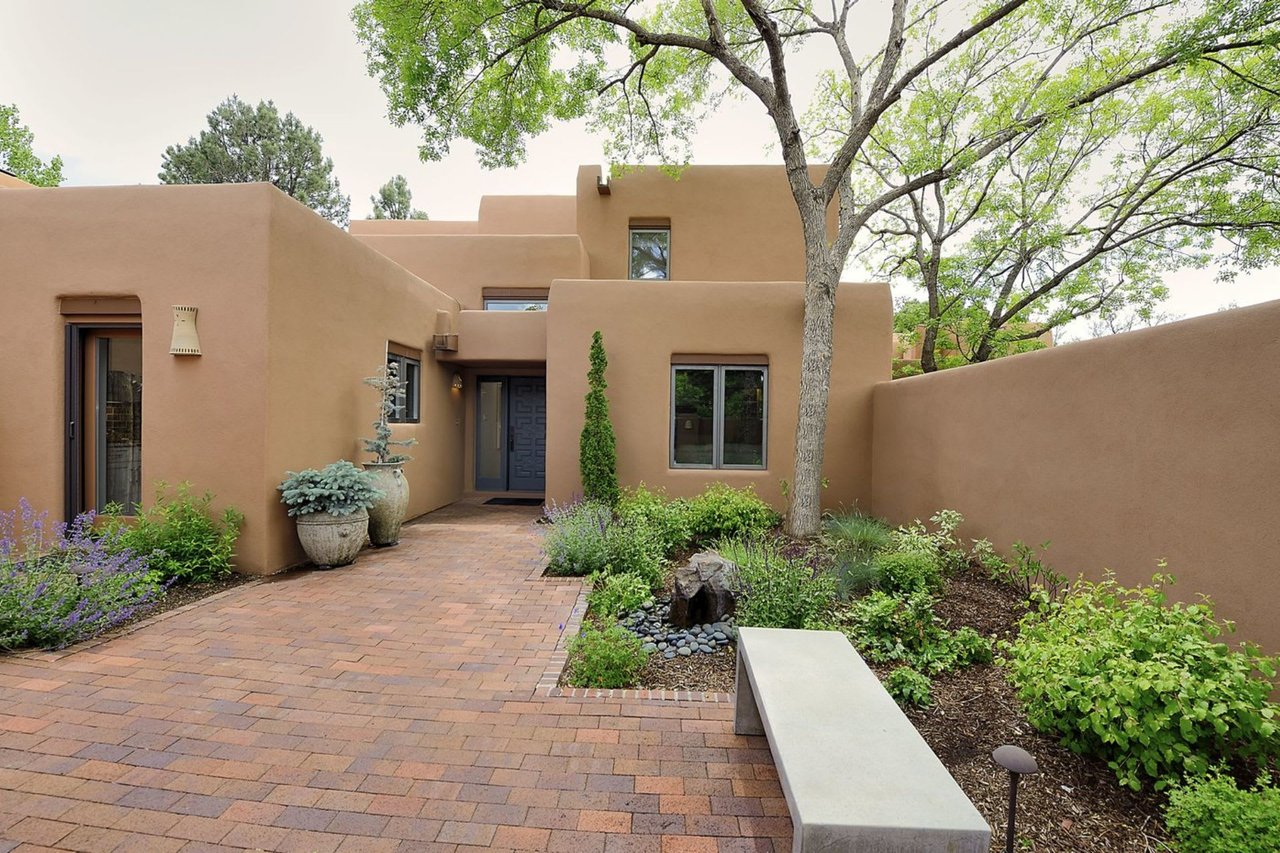
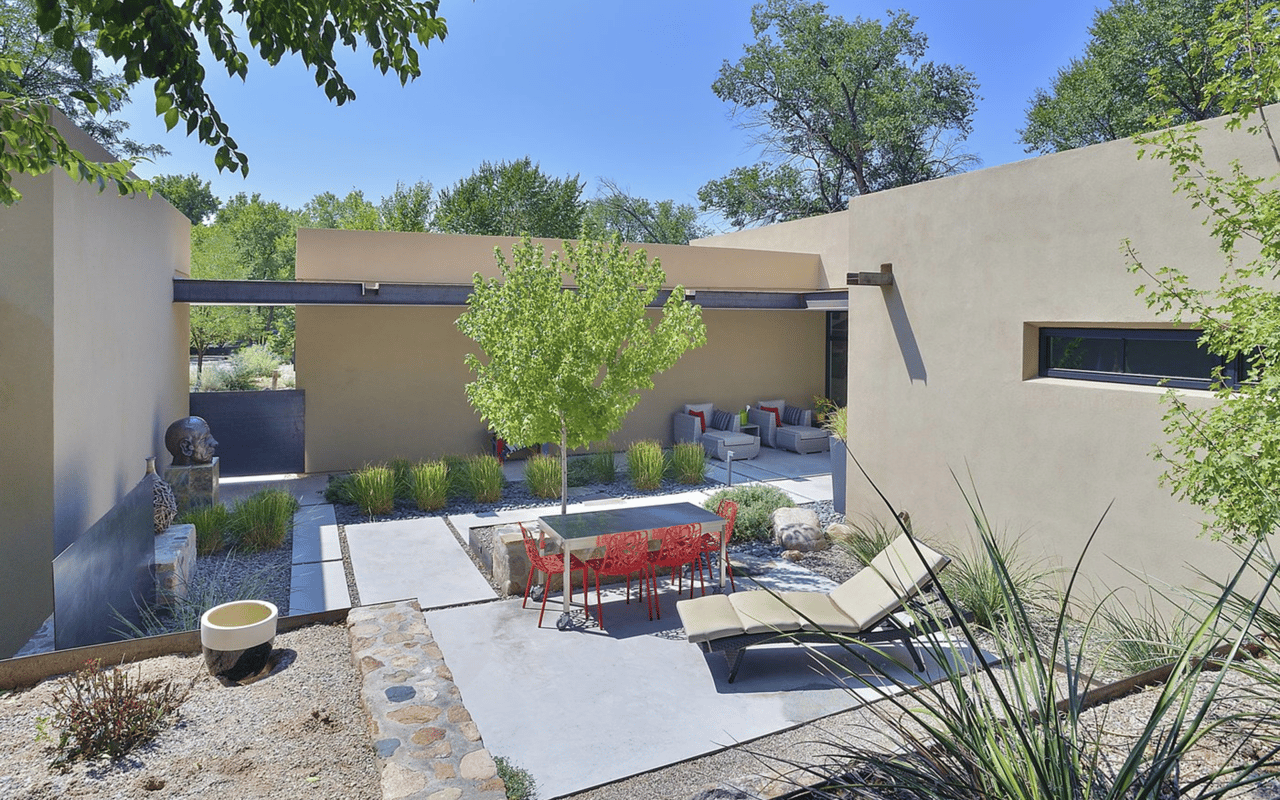
Homes range from small historic casitas to multi‑structure compounds wrapped around courtyards. Many are single‑story with rooms connected along portals. Additions and sensitive infill exist, but exterior materials and rooflines are guided by historic district standards.
Parking and access
Streets are narrow and irregular near the Plaza. Front setbacks are minimal, with walled courtyards rather than big lawns. Some homes predate cars, so garages are uncommon and on‑street parking can be tight. Expect shared drives or parking pads rather than large private garages.
Lifestyle and amenities
Arts and culture nearby
You are a short walk to the Plaza, historic sites, and Canyon Road’s gallery corridor. Museum Hill is a quick drive for major institutions. Downtown hosts regular cultural events, including art markets and seasonal celebrations, which you can enjoy without long commutes.
Parks and outdoors
Fort Marcy Park and downtown green spaces offer easy recreation. Urban trails and nearby foothill trailheads connect you to the outdoors in minutes. Santa Fe National Forest and Ski Santa Fe are close enough for regular weekend outings.
Events and community rhythm
The area’s calendar is full, from markets to opera season and film festivals. Many events center on or are easily accessed from the Plaza and Eastside. You can enjoy an active cultural life without giving up the quiet of an intimate historic street.
Walkability and mobility
Getting around on foot
Walkability is among the highest in Santa Fe. Many errands, gallery visits, and dinners out are possible on foot. The short blocks and pedestrian lanes make exploring easy.
Transit and driving
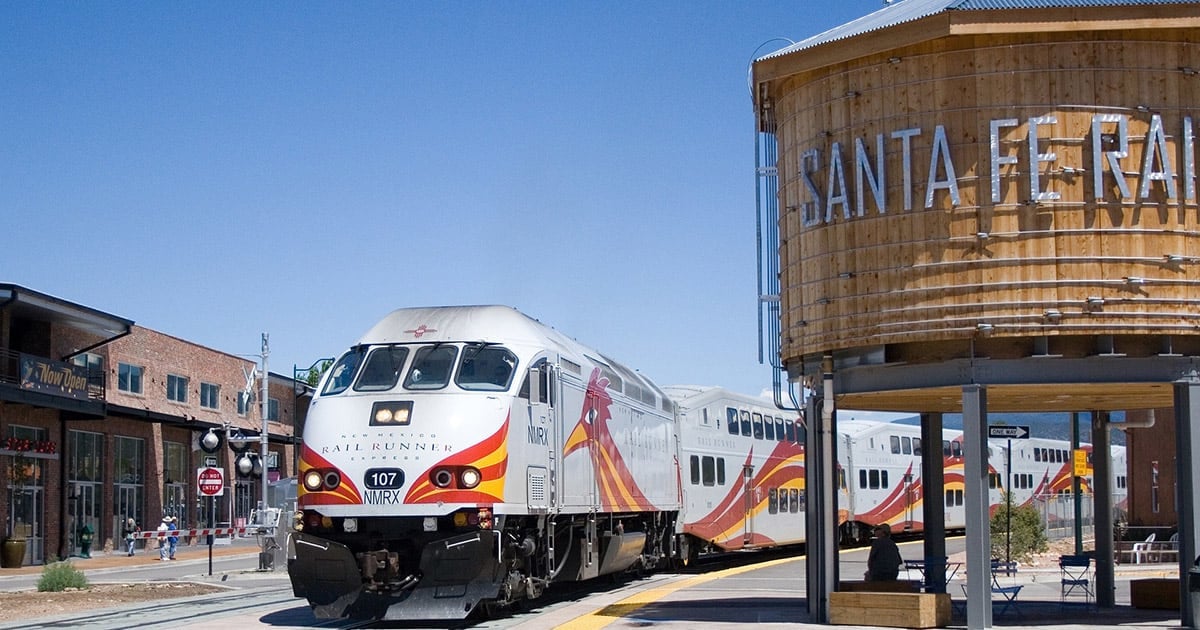
Santa Fe Trails bus routes serve downtown, with limited regional service to other cities. Rideshare and taxis are available, though options can be lighter late at night. If you commute by car, factor in narrow streets and occasional congestion near the core.
Parking realities
On‑site parking varies by property and is a key item to confirm during a home search. Some homes have single‑car garages or gated parking pads. Street parking can be constrained during peak hours and event days.
Homes and market feel
Home types and condition
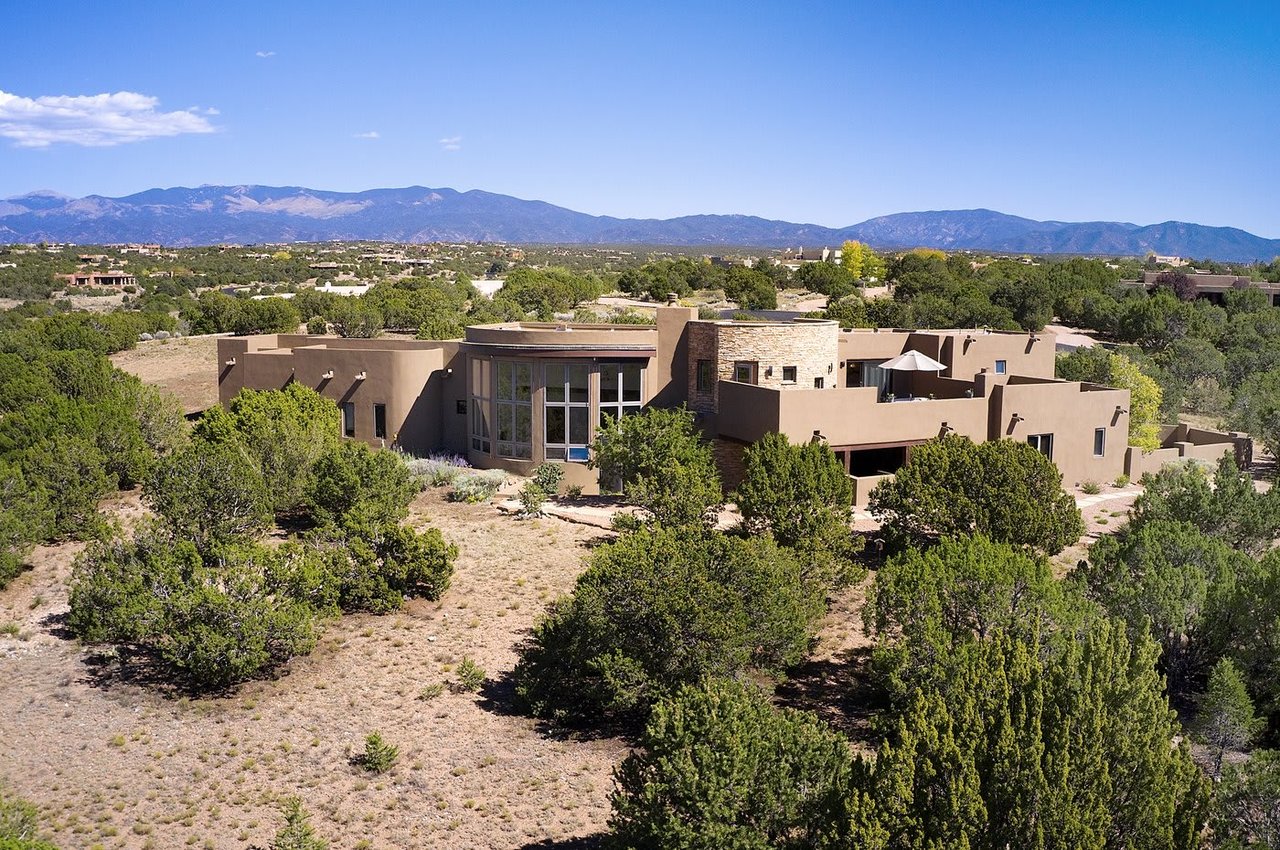
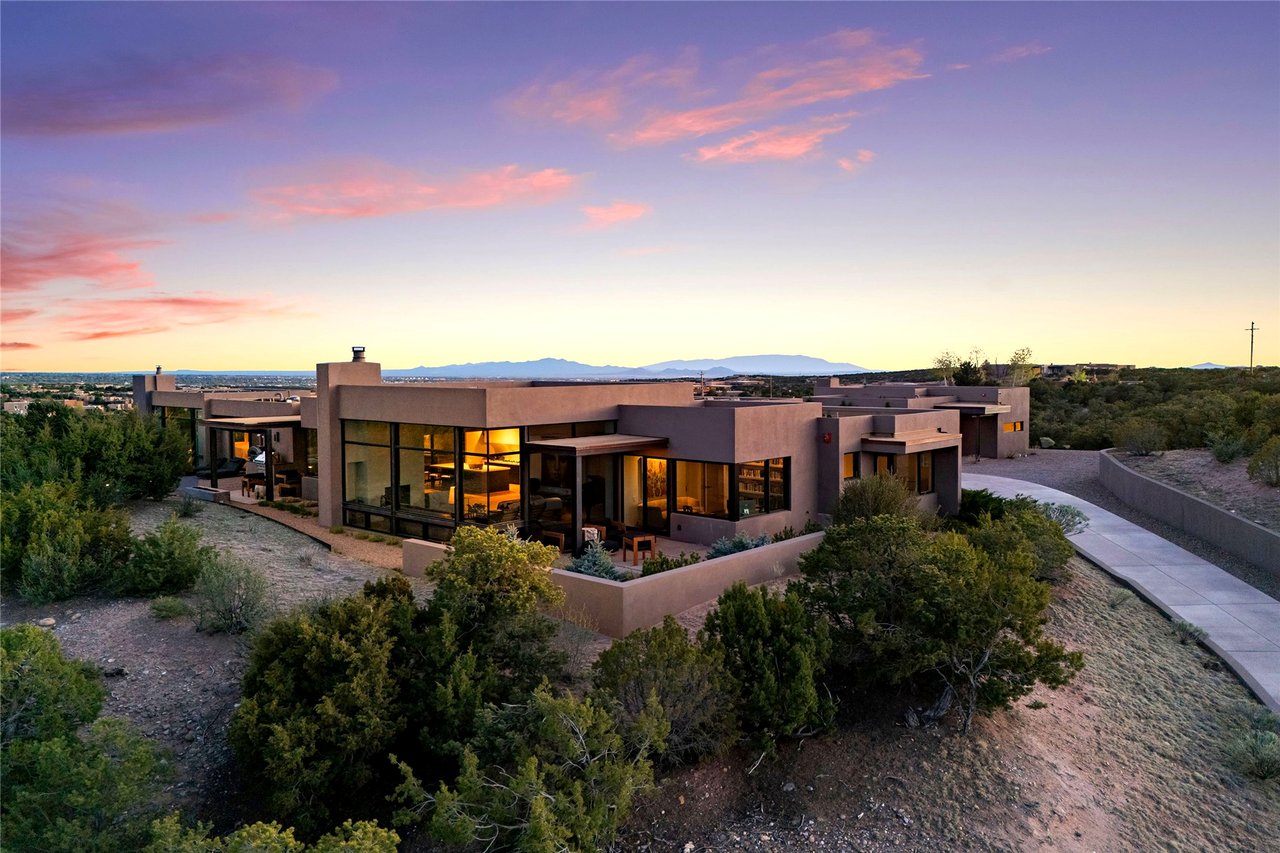
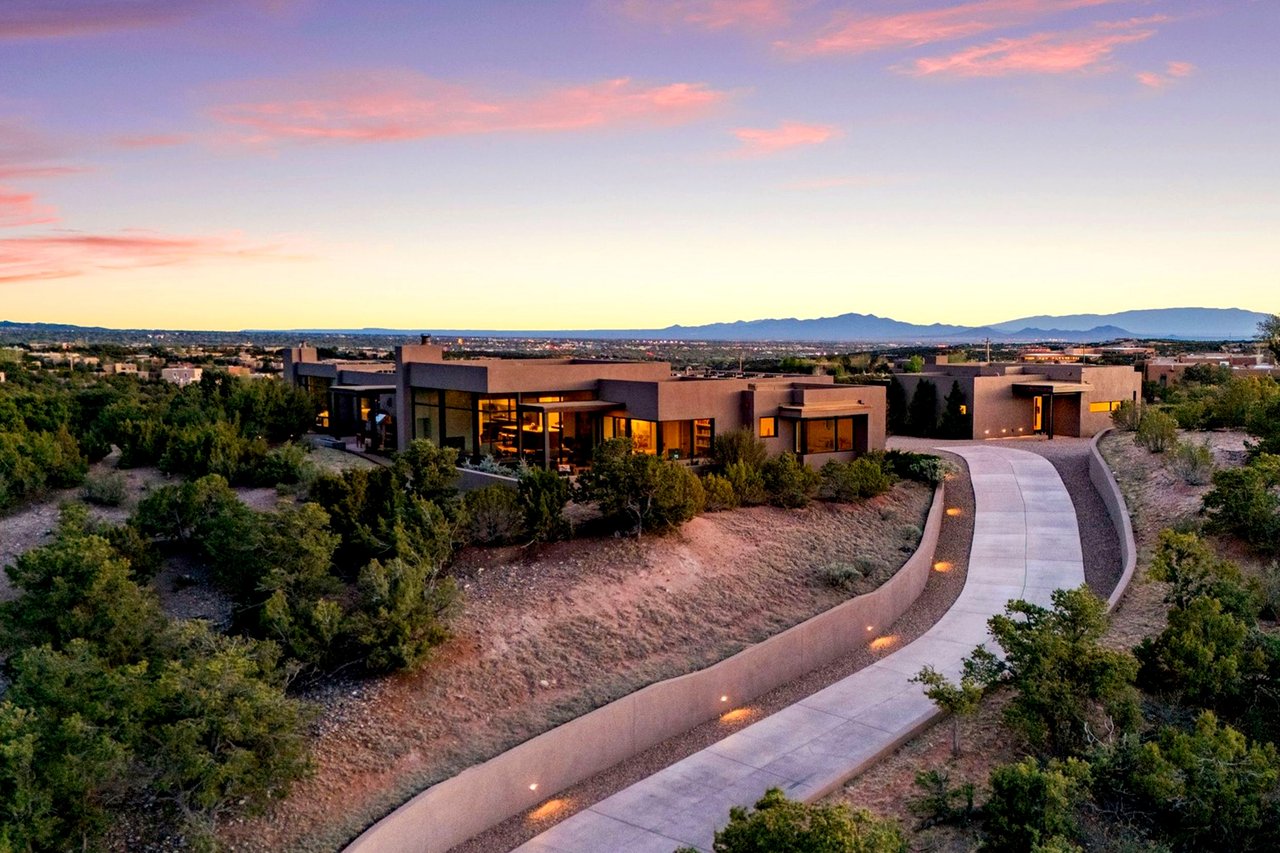
Inventory includes historic casitas, mid‑size adobes, renovated compounds, and a few contemporary homes designed to blend with historic context. Conditions range from fully restored with modern systems to properties that need significant upgrades. Availability is usually tight, which can create competition for well‑located listings.
Value drivers
Proximity to the Plaza, historic authenticity, and the arts scene create a premium compared to the broader market. Prices vary widely by lot size, privacy, views, and the extent of updates. Desirable homes often see strong demand from second‑home buyers, retirees, and those seeking a downtown lifestyle.
Who it suits
- Buyers who value walkability, culture, and historic character.
- Second‑home owners who want a refined getaway near galleries and dining.
- Retirees or empty nesters seeking a smaller footprint with easy access to amenities.
- Not ideal if you want large garages, big yards, or contemporary suburban features.
Regulations and permits
Historic review basics
Exterior changes, additions, and some site features are reviewed under the City of Santa Fe’s Historic District process. Many projects require formal approval before work begins. Plan early and consult city Historic Preservation staff and guidelines to align design, materials, and timelines.
Short‑term rentals
Short‑term rentals are regulated through licensing, lodging taxes, inspections, and zone‑specific rules. Requirements have tightened in recent years and can change. If you plan to host, verify current city rules and caps before you buy.
Building and upgrades
Modernizing electrical, HVAC, and plumbing usually needs permits. Adobe and earthen construction benefit from contractors experienced with historic methods. Routine safety items include roof flashing, drainage, and structural maintenance that protect earthen walls.
Maintenance and costs
Adobe care
Stucco or earthen plaster needs periodic repair to keep moisture out and preserve the look. Parapet and roof maintenance are critical to prevent water intrusion. Wood elements like vigas and latillas should be inspected and treated as needed.
Energy and water
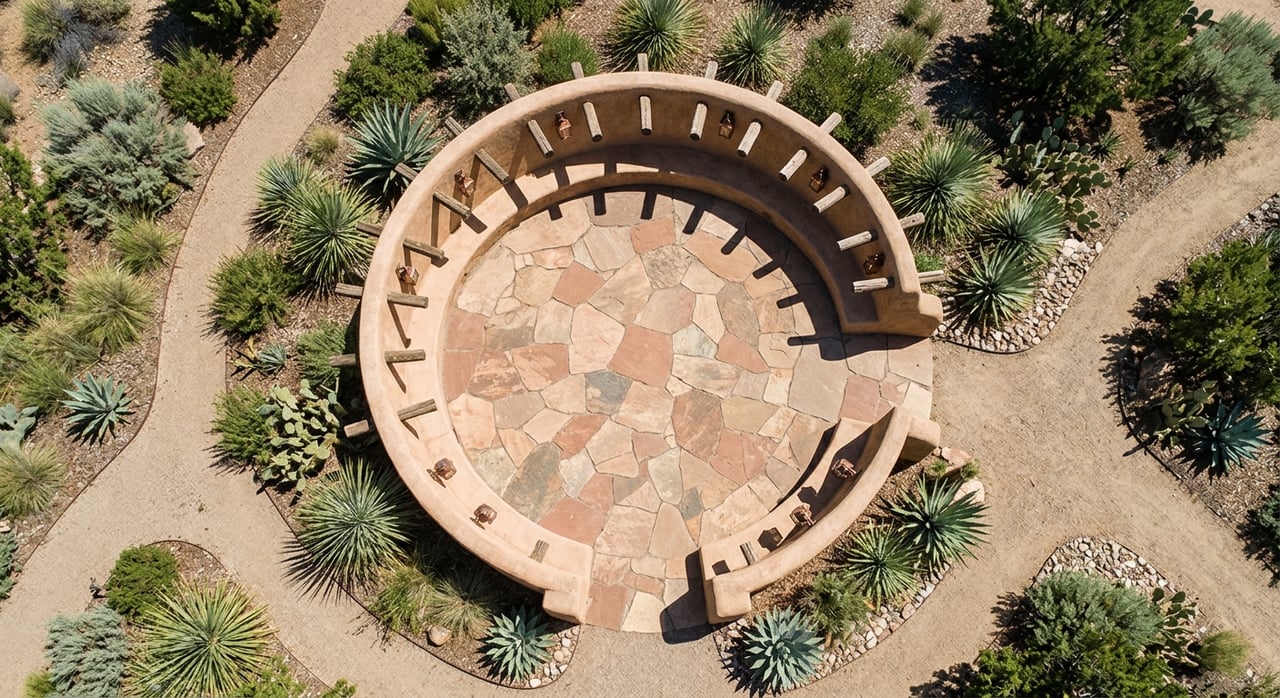
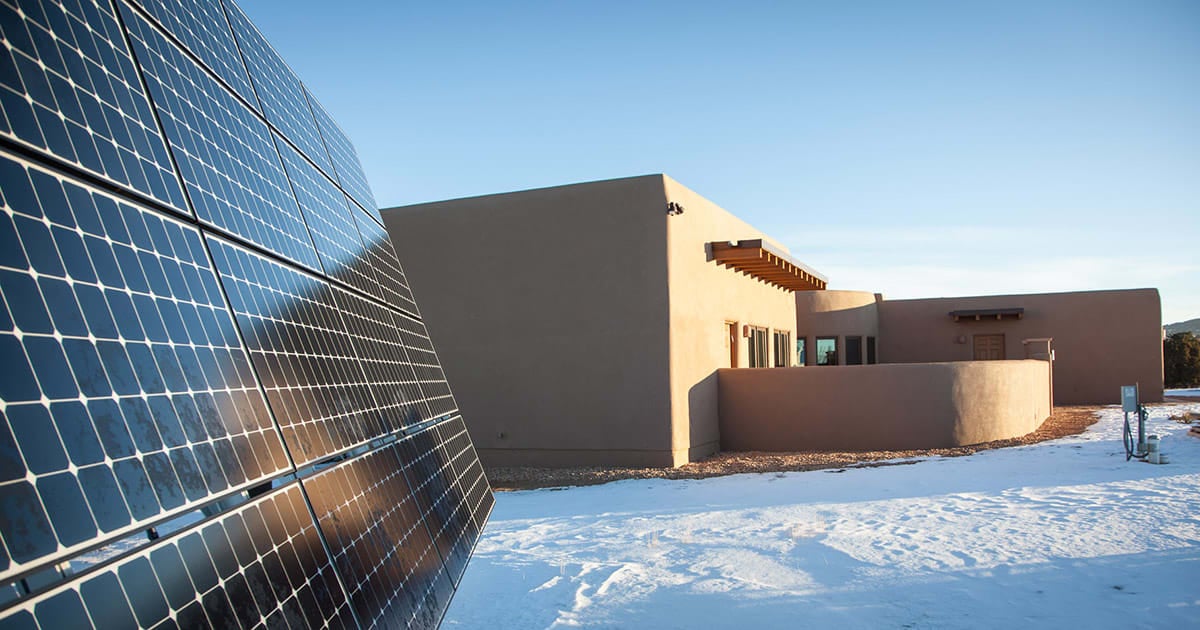
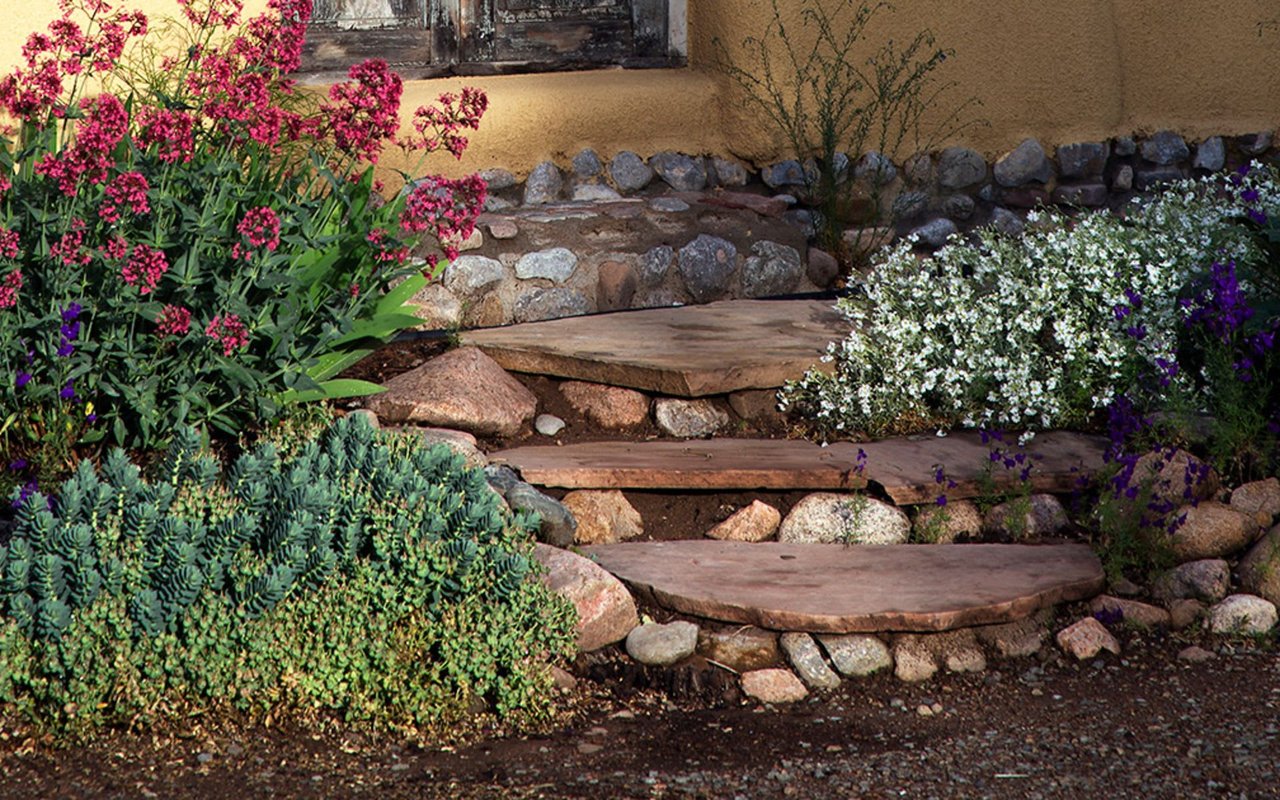
Many owners mix radiant heat, gas furnaces, fireplaces, and mini‑splits for comfort. Solar potential is high, though panel placement may be reviewed in visible locations. Water conservation is a priority, and xeric landscaping is common and practical.
Insurance and risk
Wildfire risk in the region makes defensible‑space guidance relevant, even in the city’s edge areas. Monsoon storms can cause localized flooding along arroyos, so check parcel‑specific flood risk and coverage needs. Your agent can help coordinate the right inspections during due diligence.
Eastside vs nearby areas
- Plaza/Downtown Core: Similar walkability and heritage at the absolute center; premiums can match or exceed the Eastside depending on lot and views.
- Canyon Road: Overlaps in places; known for gallery presence and curated, smaller parcels.
- Railyard/South Capitol: More contemporary redevelopment with lofts and condos, modern dining, and galleries; less adobe authenticity but strong urban amenities.
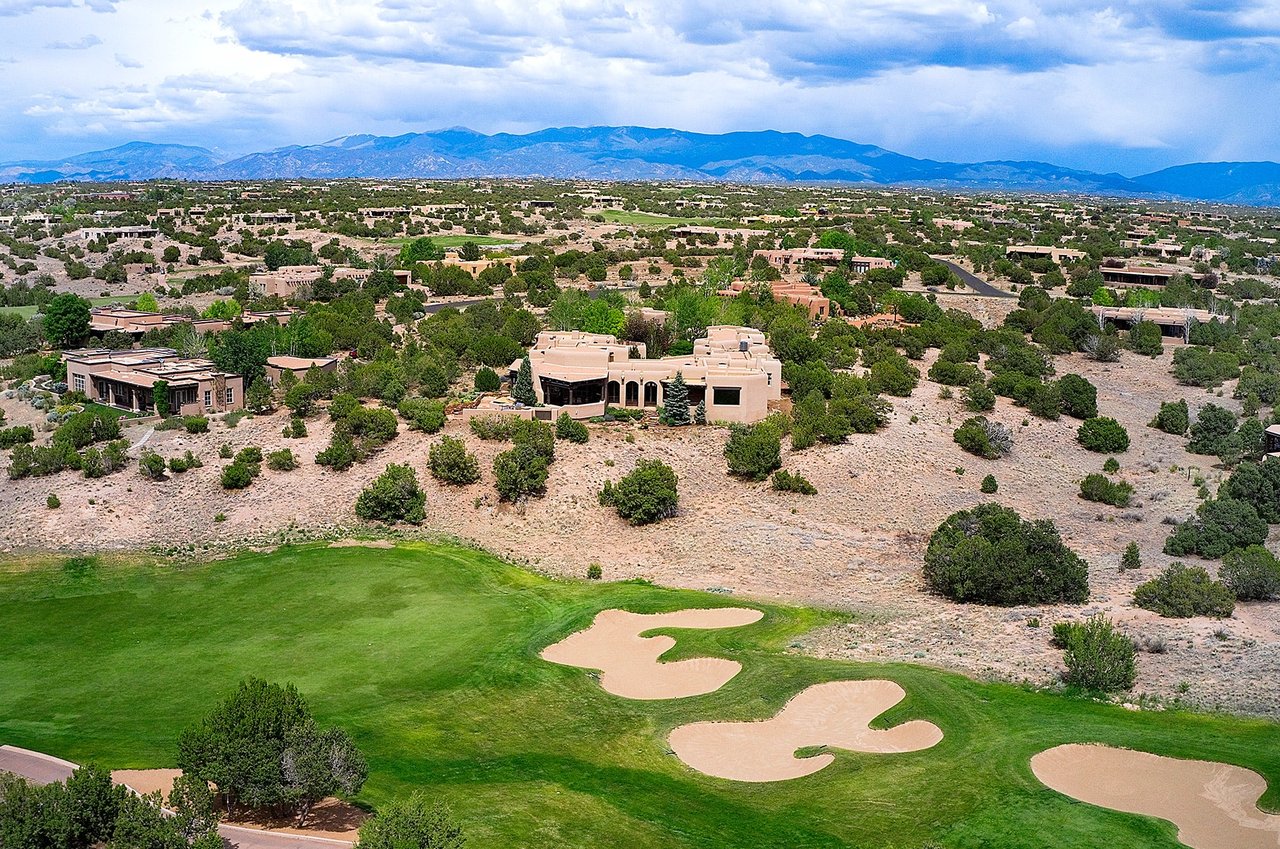
- Westside/Spaniards Road/Atalaya/Country Club: Larger lots, newer luxury homes, and more garages for buyers who want space and privacy over historic intimacy.
Is the Eastside right for you?
If you want a walkable, art‑forward lifestyle wrapped in authentic adobe character, the Historic Eastside delivers. You trade larger garages and suburban features for courtyards, galleries, and a rich daily rhythm near the Plaza. With thoughtful planning for parking, preservation rules, and maintenance, you can enjoy a timeless setting and a refined downtown life.
Ready to explore homes or get a private neighborhood briefing? Reach out to Darlene Streit for tailored guidance and discreet, concierge‑level representation.
FAQs
What area counts as Santa Fe’s Historic Eastside?
- It generally means the portion of the Historic District east of the Plaza, including East Palace Avenue, Old Santa Fe Trail, parts of Canyon Road and Camino del Monte Sol, and nearby streets.
How walkable is the Historic Eastside to restaurants and galleries?
- It is among the most walkable areas in Santa Fe, with many dining, shopping, and cultural outings possible on foot from most blocks.
Can you remodel a historic Eastside home?
- Yes, but exterior changes and additions often require review and approval under local historic guidelines; interior system upgrades still need permits.
Are short‑term rentals allowed in the Historic Eastside?
- They are allowed under the city’s framework, but a license, lodging taxes, inspections, and zone‑specific rules apply; verify the latest regulations before you buy.
Is parking difficult in the Historic Eastside?
- Parking can be tight on narrow historic streets, and garages are less common; confirm a home’s on‑site parking and access during your search.