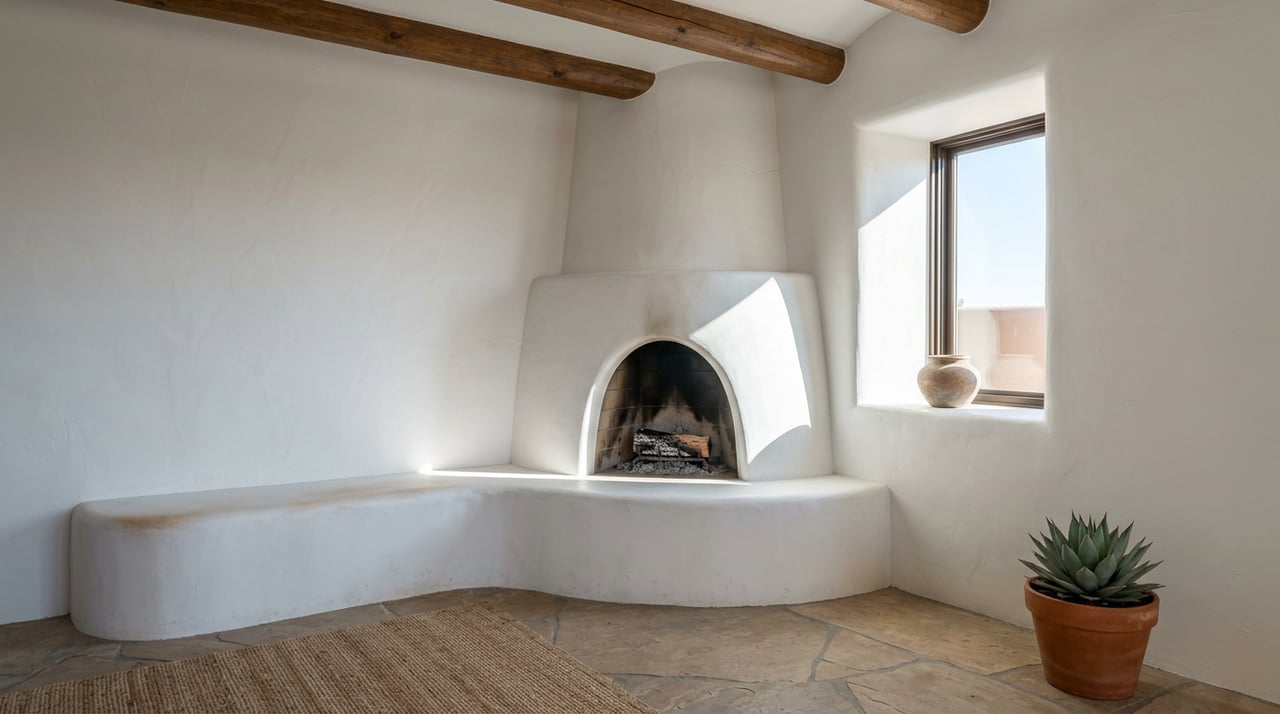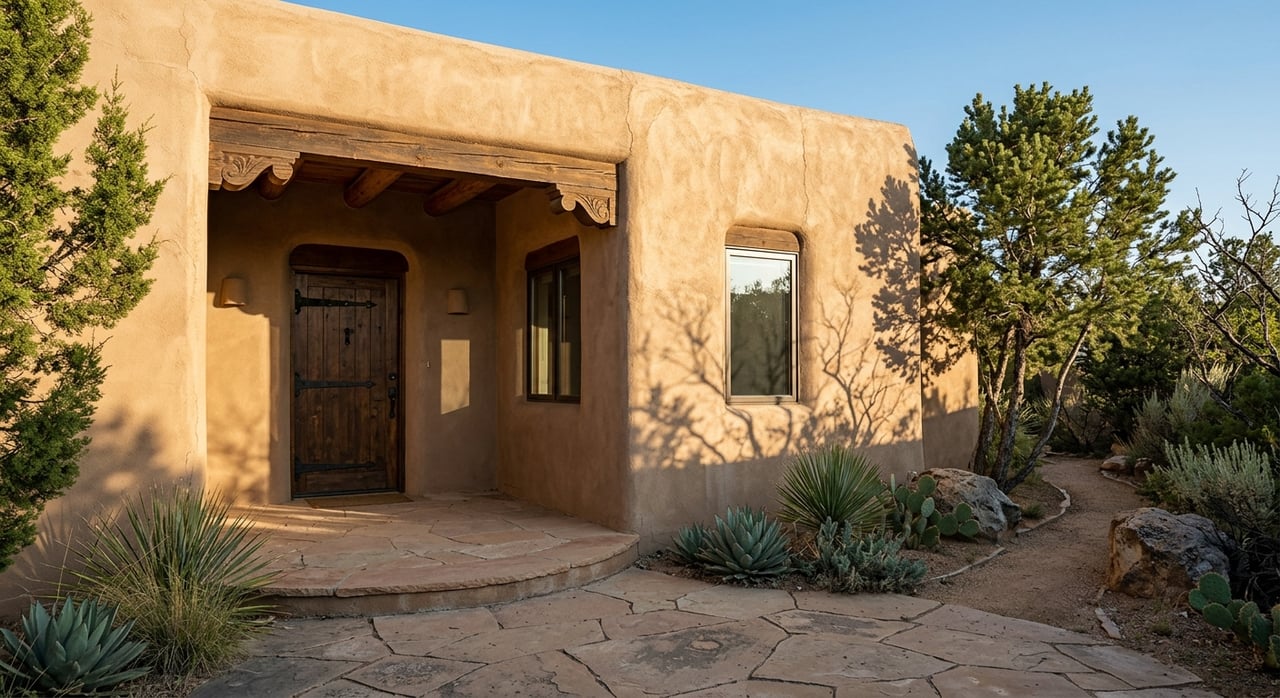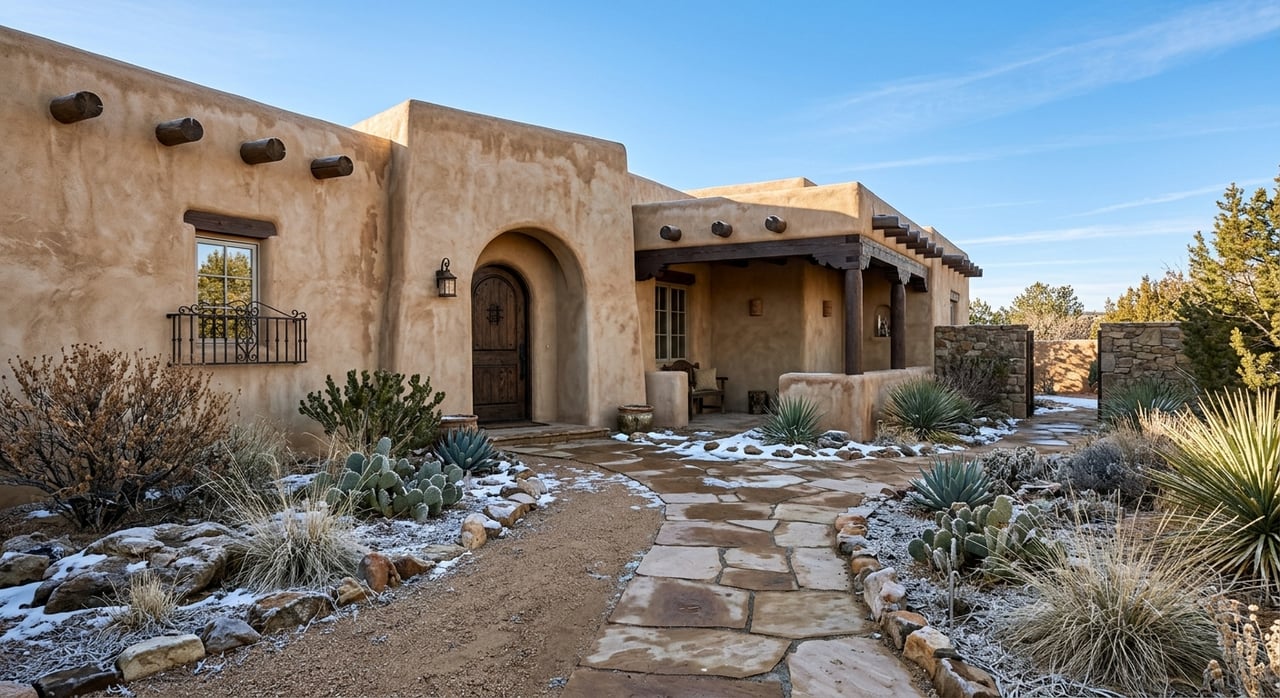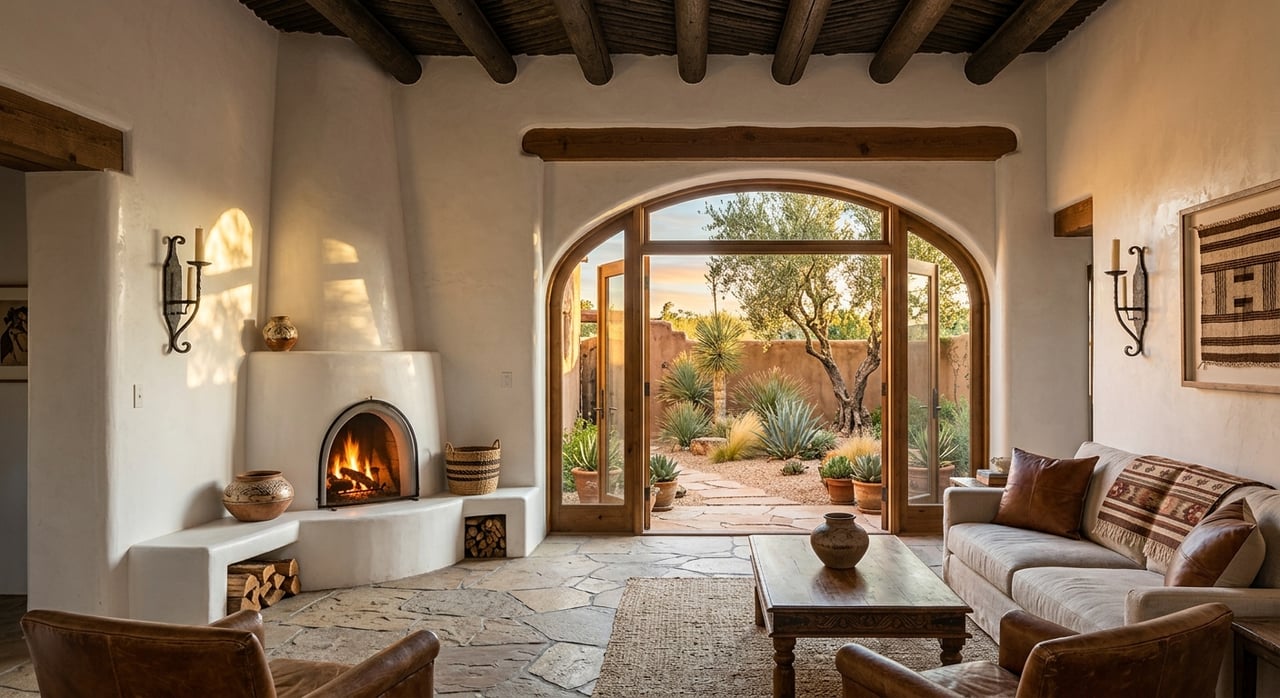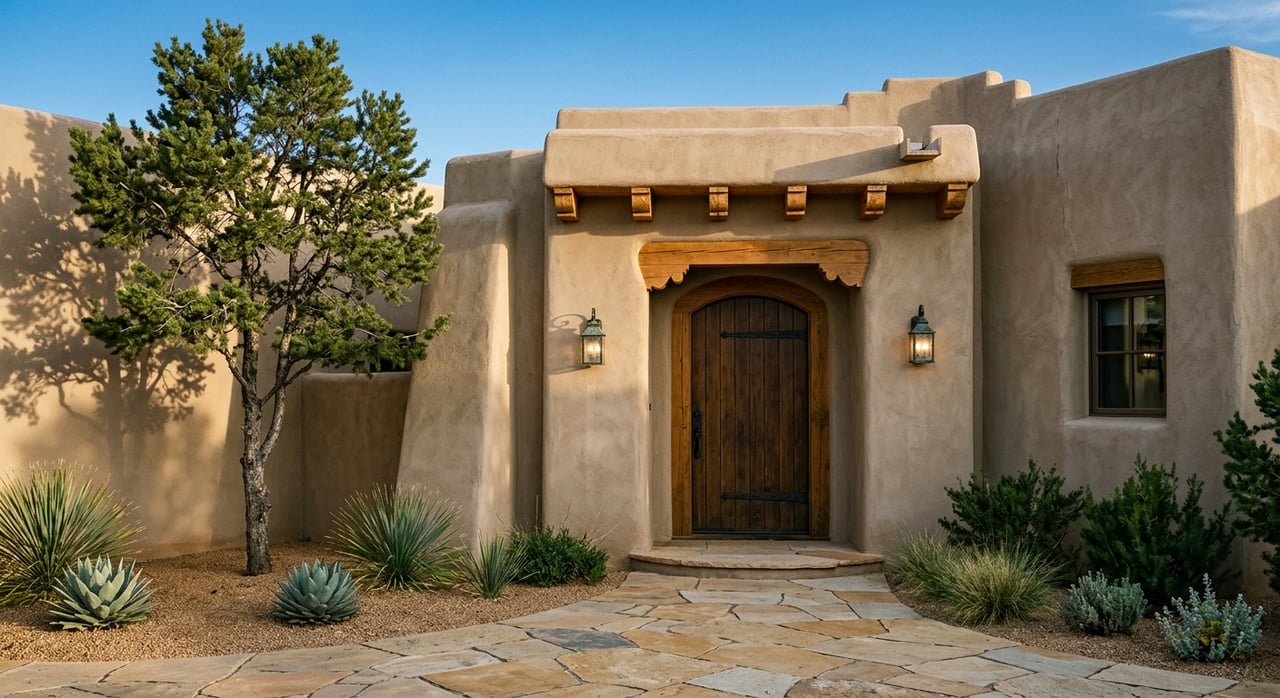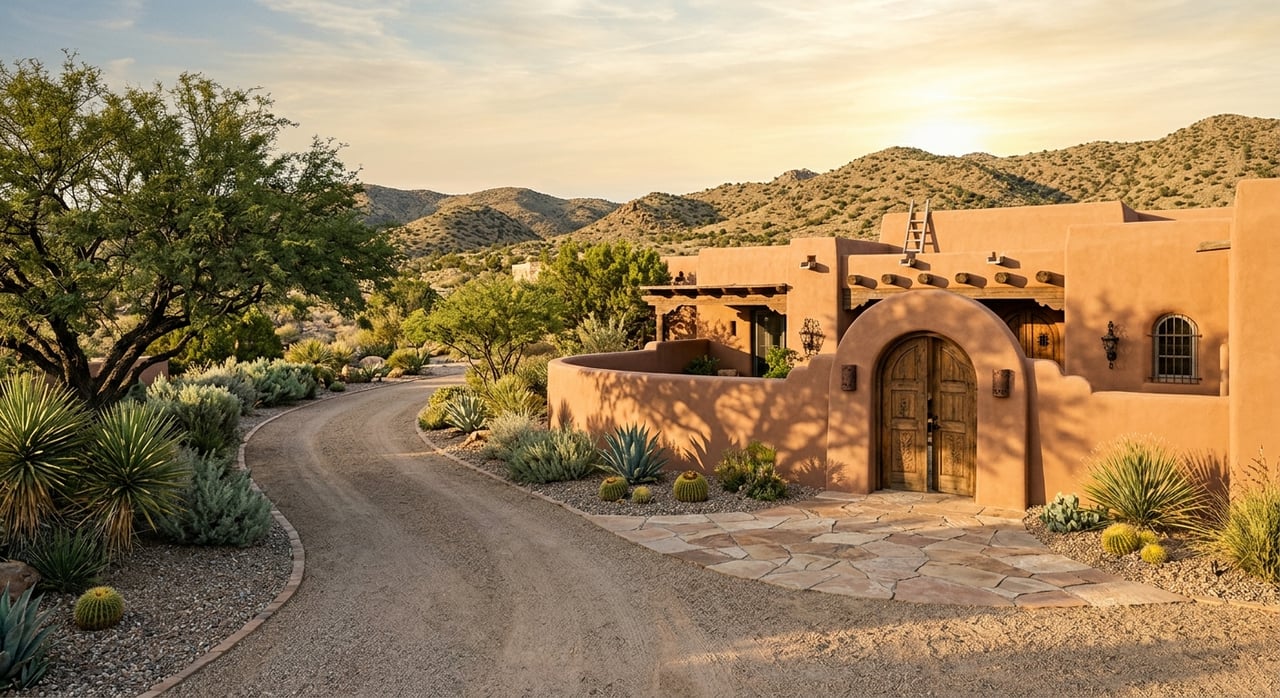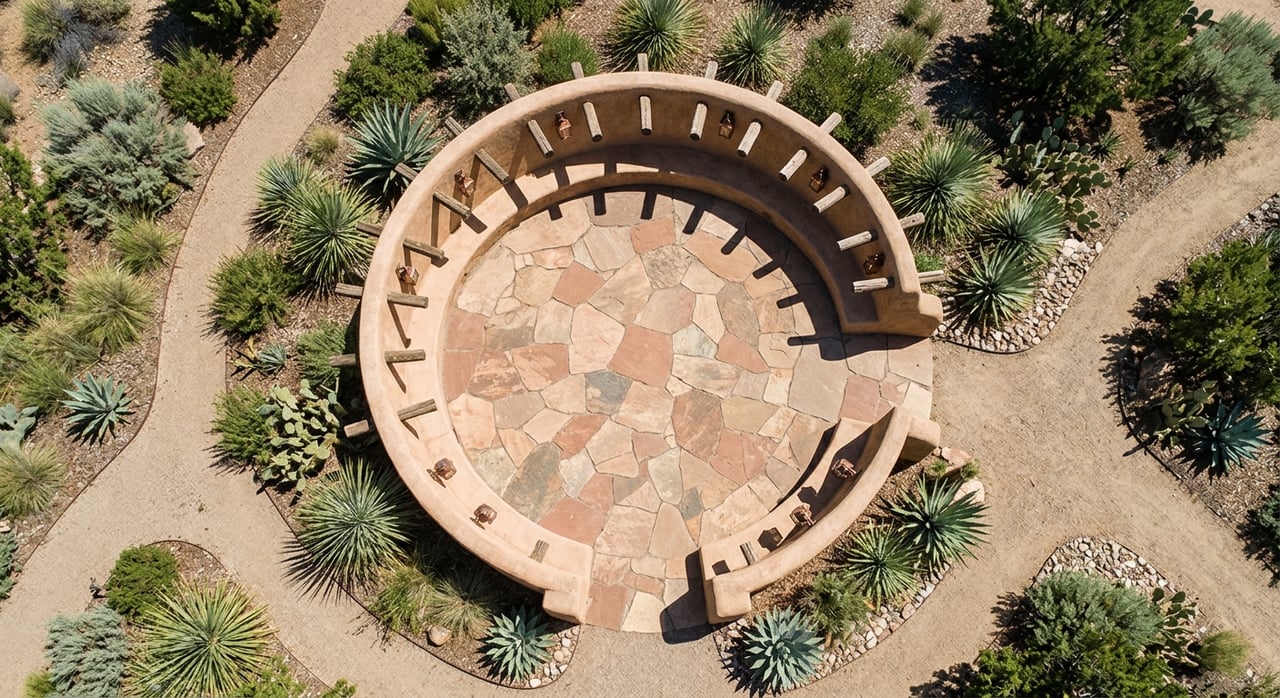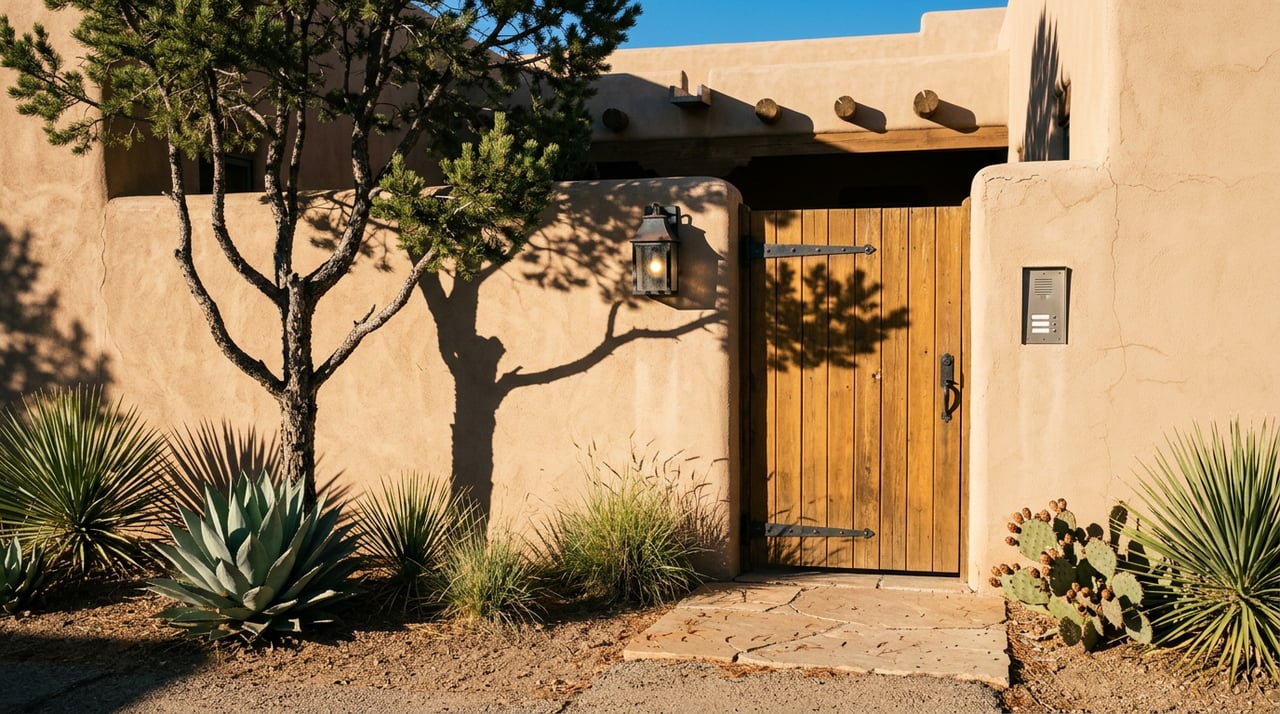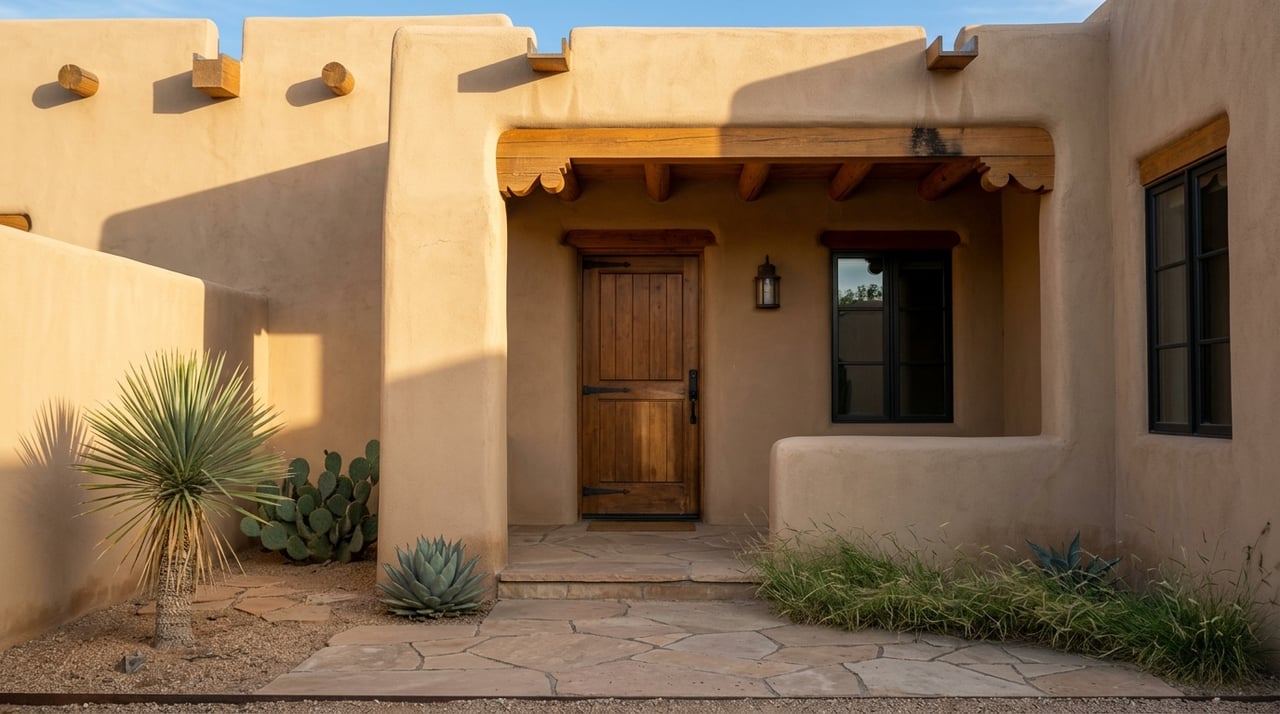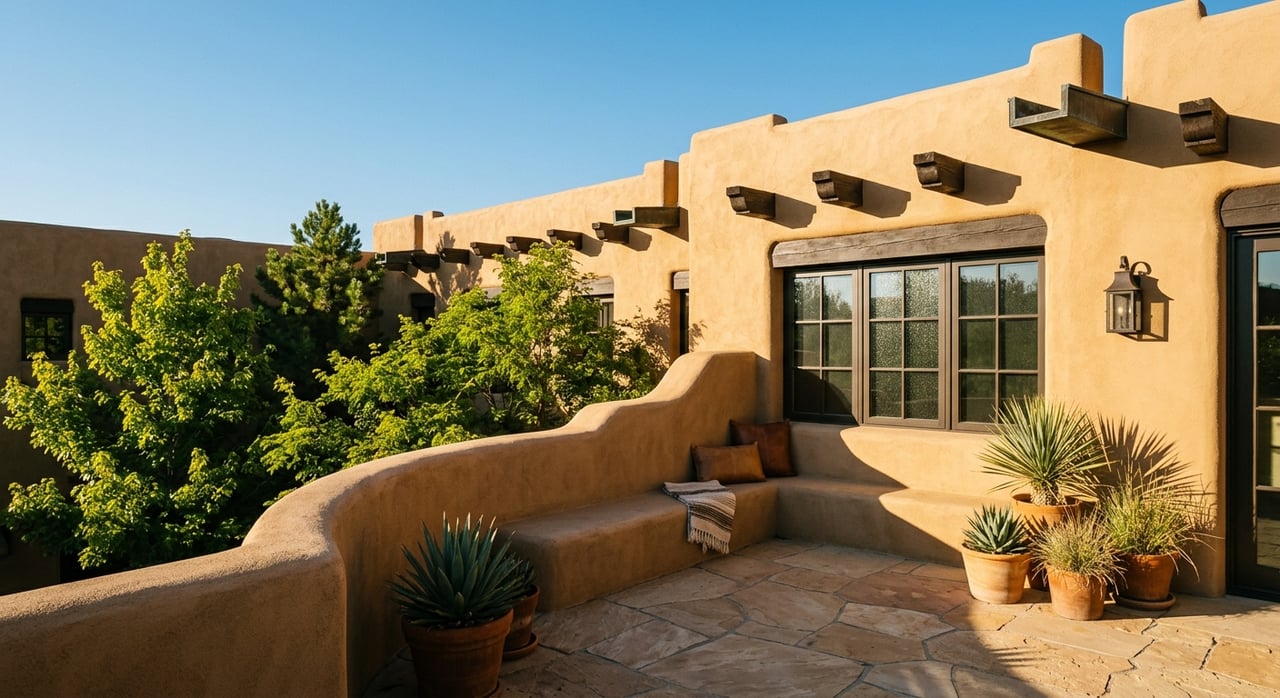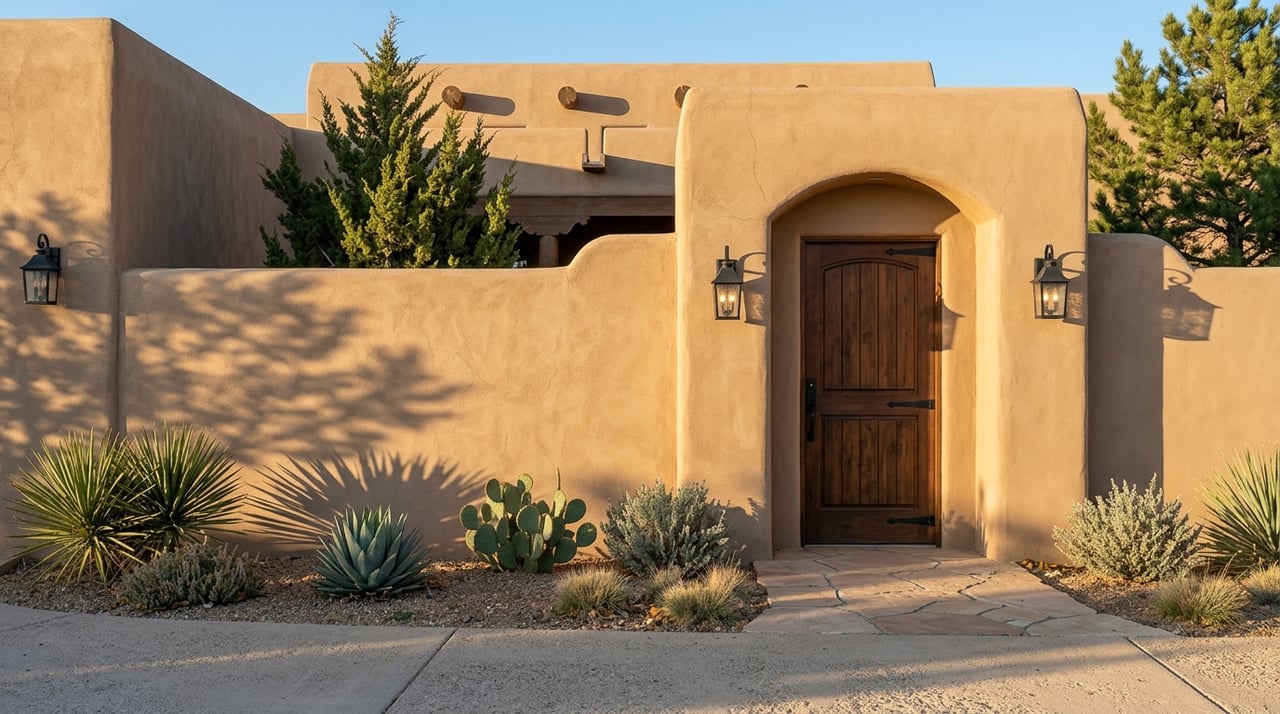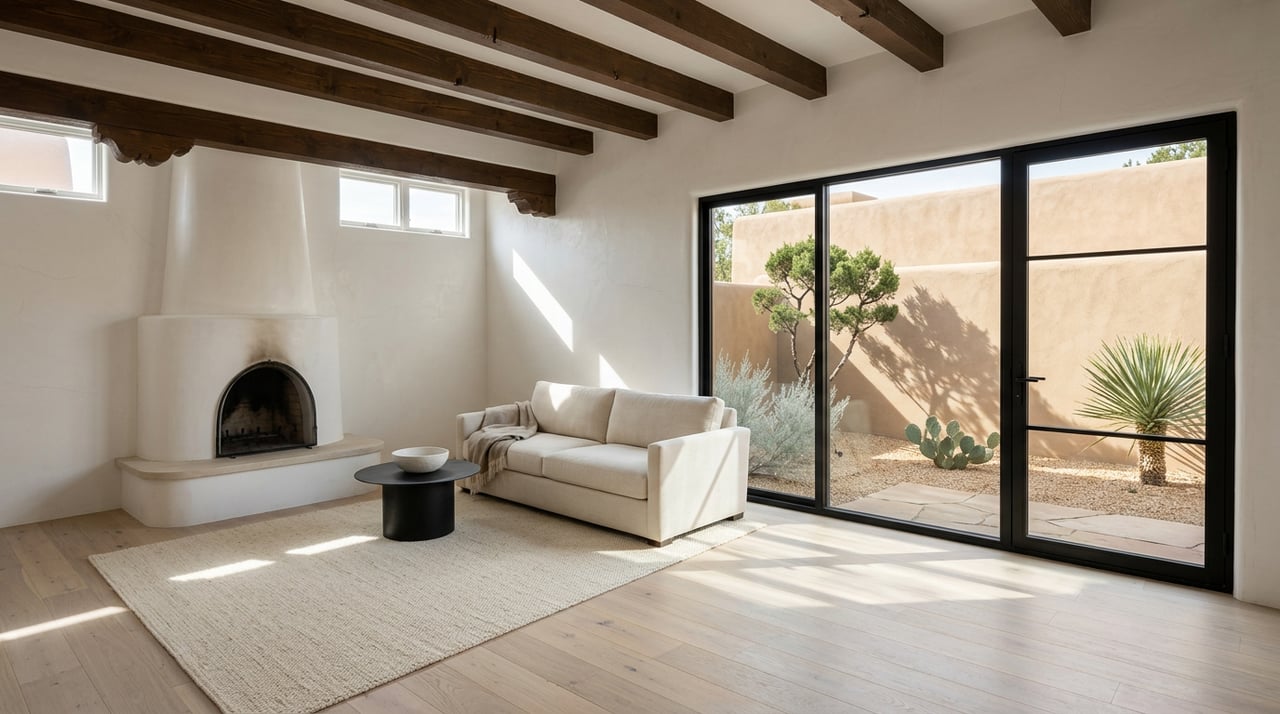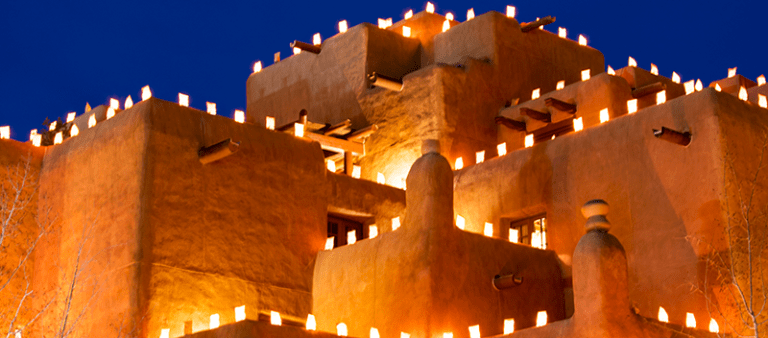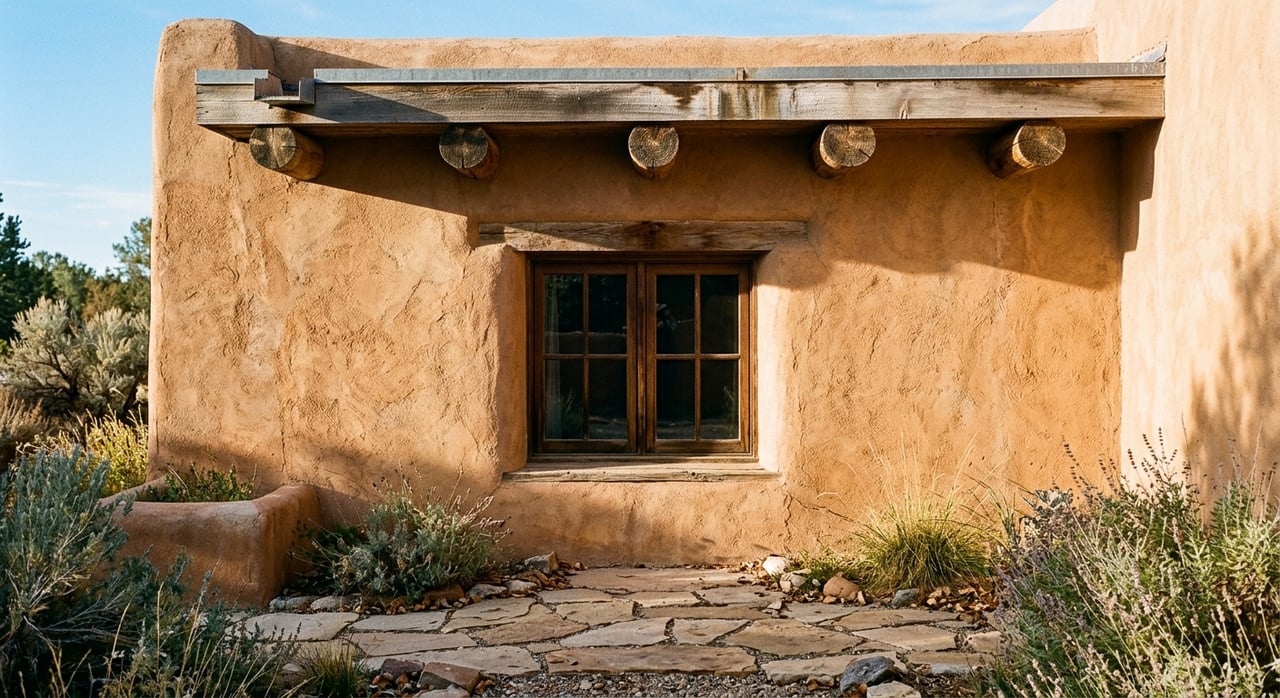
If you have ever fallen for a thick-walled Eastside adobe at first sight, you are not alone. These homes can feel timeless, private, and deeply connected to Santa Fe’s history, but they also ask more of a buyer than a quick walk-through. When you know what to evaluate before you write an offer, you can protect your budget, your timeline, and your long-term enjoyment of the property. Let’s dive in.
Why Historic Eastside homes need closer review
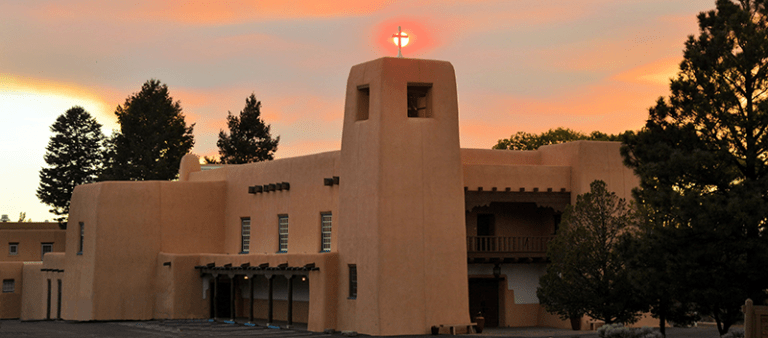
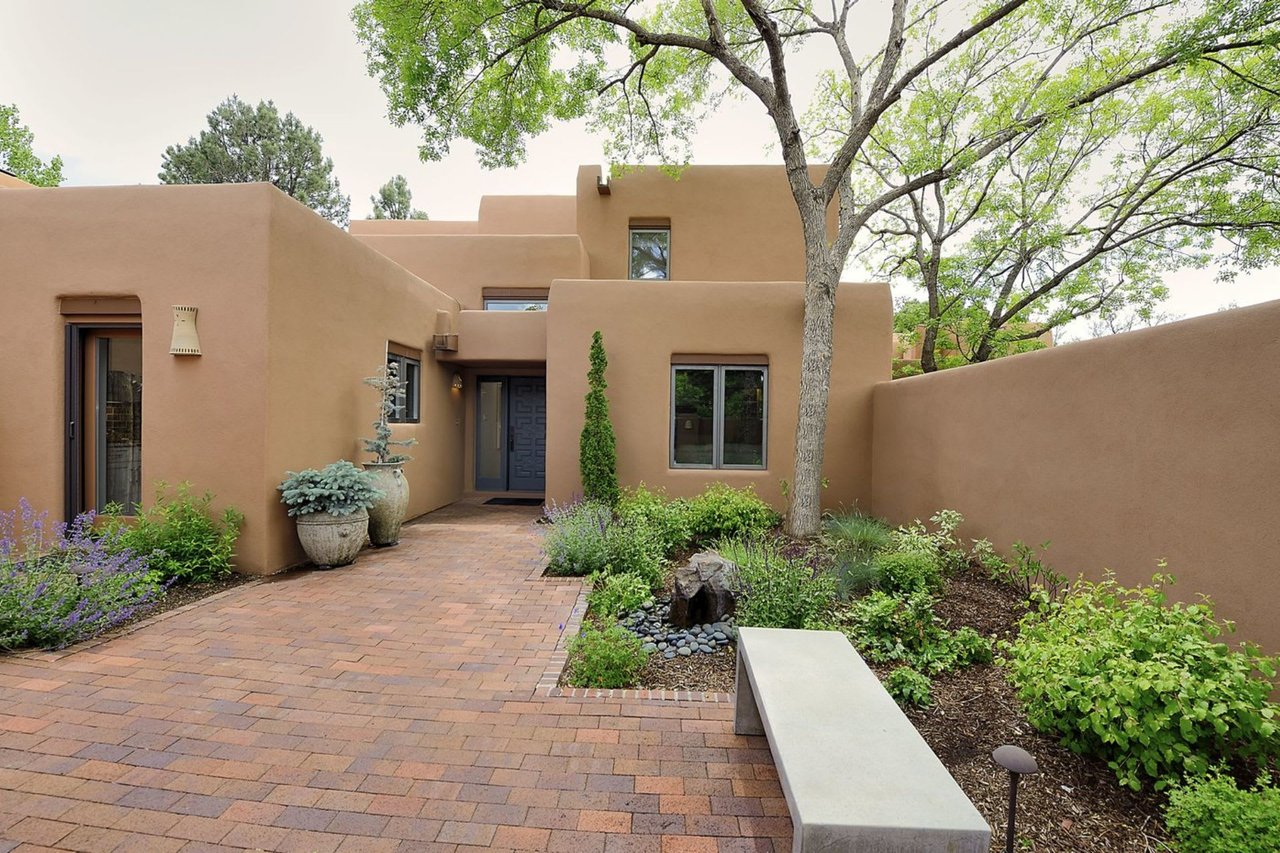
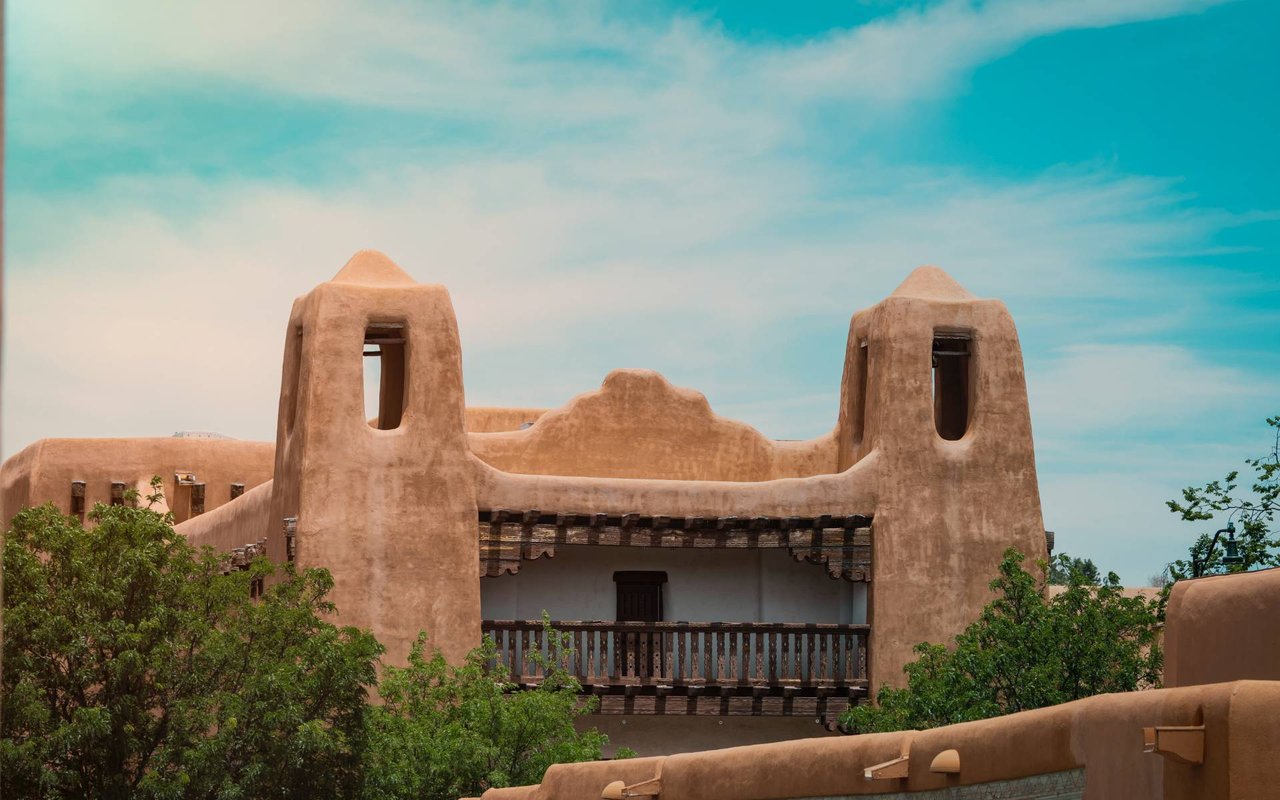
Santa Fe’s Downtown and Eastside Historic District includes some of the city’s oldest and best-preserved Spanish-Pueblo, Territorial, and revivalist architecture. The area includes neighborhoods around Canyon Road, Acequia Madre, Camino del Monte Sol, and East Palace Avenue, where narrow streets, buildings near property lines, and historic acequia patterns still shape daily life.
That setting is part of the appeal, but it also affects what you can change and how you maintain a home. The City of Santa Fe Historic Preservation Division oversees modifications in the historic districts, with some minor work handled by staff and larger or non-routine changes reviewed by the Historic Districts Review Board.
For you as a buyer, that means the house itself is only part of the story. You also need to understand the property’s historic status, the approval path for future work, and whether past changes were done in a way that fits district standards.
Start with the property’s historic status
Before you focus on finishes or floor plan, ask how the property is classified within the district. A home may be contributing, significant, landmark, or noncontributing, and that classification can affect what kinds of exterior changes are allowed.
This matters because district standards place added emphasis on preserving historic character. For contributing, significant, and landmark structures, the city’s handbook says historic roof styles and materials should be maintained or replaced in kind, and historic windows on primary facades should be repaired or restored whenever possible.
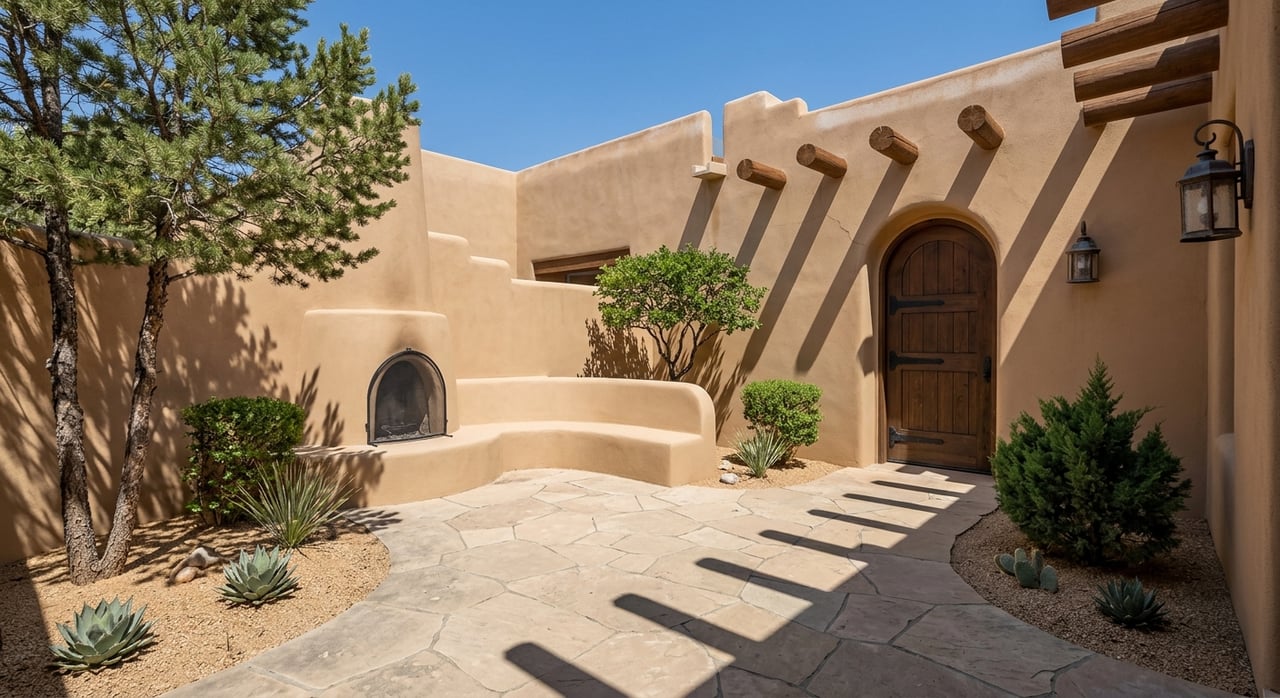
You should also ask whether the home is part of a historic compound. In the Eastside, some properties function as family, rental, placita, or commercial compounds, and the city evaluates them as more than a single building. A courtyard house or multi-structure property may need to be understood as a site system, including open space, circulation, and the relationship between buildings.
Confirm what the home is actually made of
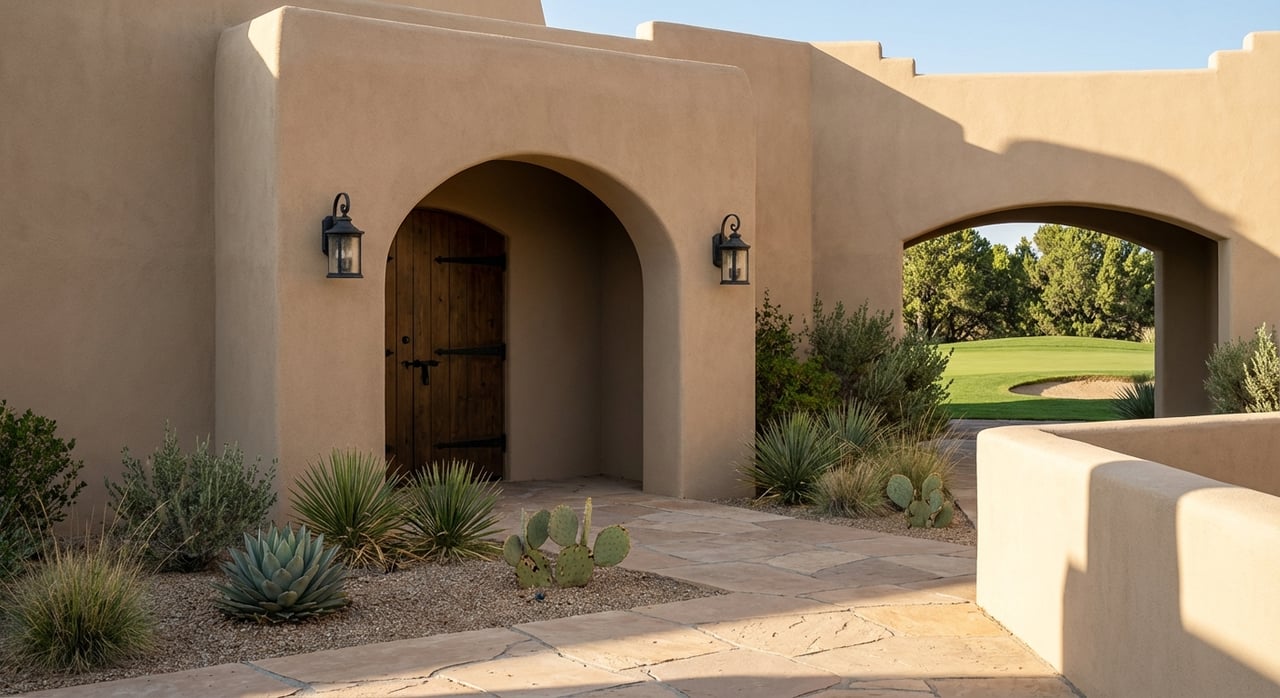
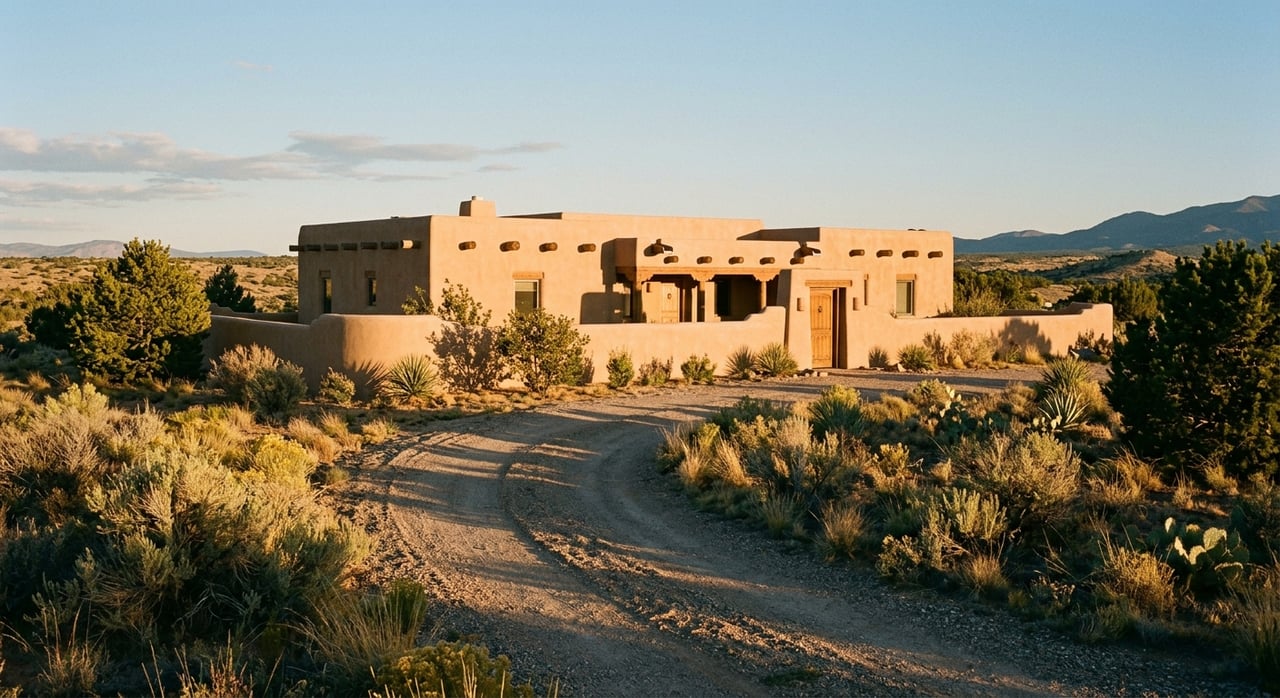
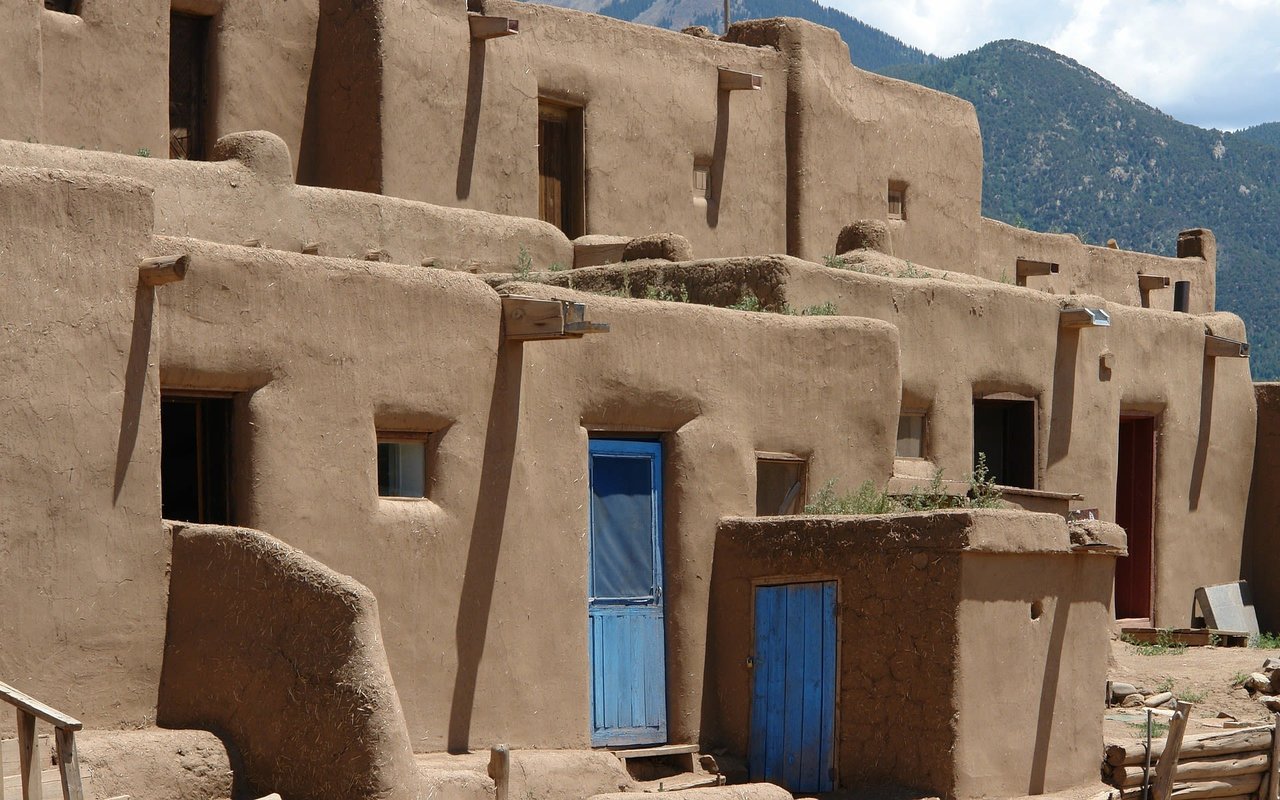
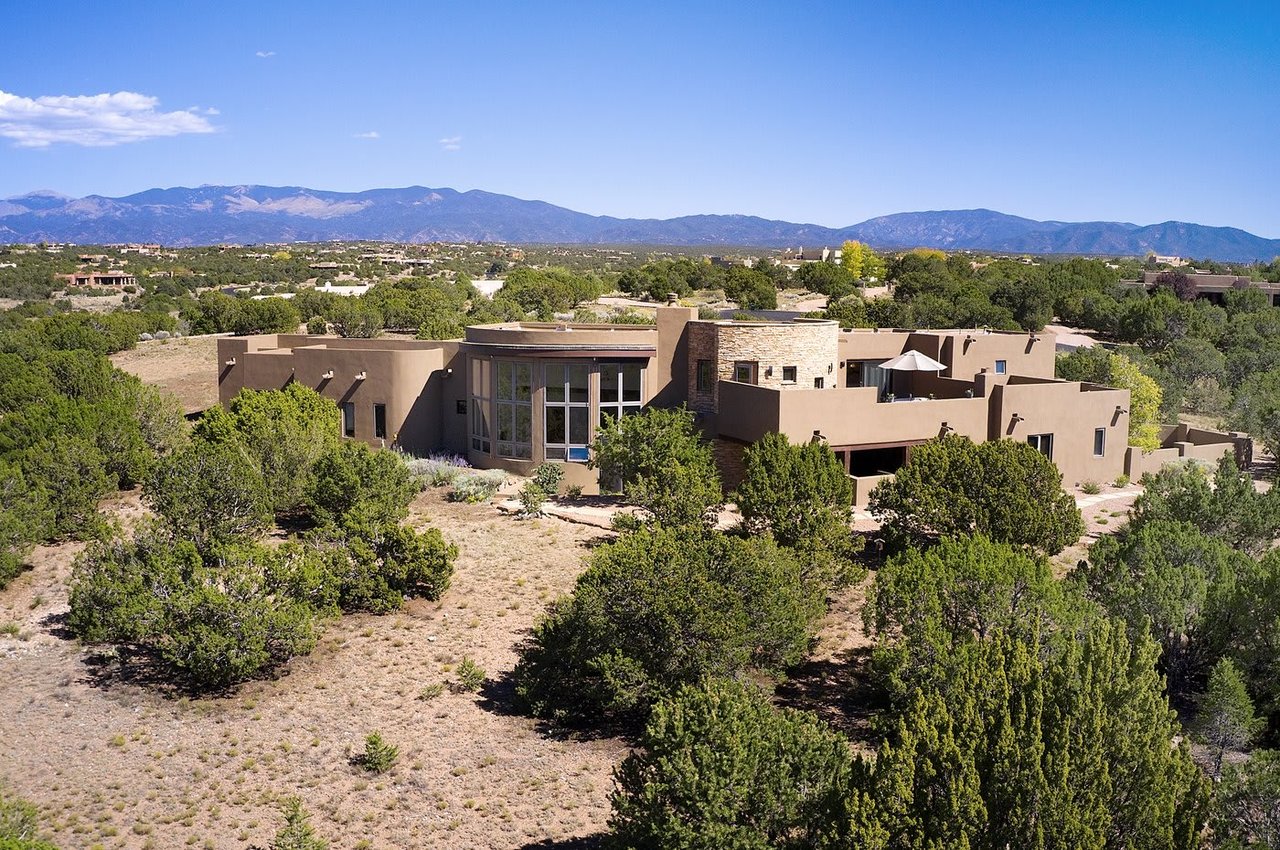
Not every home that looks adobe from the street is traditional adobe construction. Santa Fe’s historic standards allow some modern materials if they create an adobe effect, and adobe-like products can behave differently from unfired adobe.
That is why records matter. Ask for construction history, repair documentation, and permit files so you can confirm whether the home is traditional adobe, a later masonry system, or a mix of old and newer materials.
This step can shape everything from maintenance planning to inspection strategy. A house with an authentic historic shell and newer additions may perform very differently than a house that simply borrows the visual language of Santa Fe style.
Prioritize water management above everything else
With adobe, water is the headline issue. The National Park Service notes that adobe shrinks and swells with moisture, and most deterioration comes from excess rainwater, groundwater, or both.
That makes drainage one of the most important parts of your evaluation. A watertight roof, proper drainage paths, functioning roof drains, and ground that slopes away from the house all play a central role in long-term preservation.
During showings and inspections, pay special attention to these areas:
- Roof edges and parapets
- Canales or roof drains
- Low spots where water may pond
- Soil grading around the home
- Areas where runoff may collect near walls
Standing water can soak through traditional roof systems and damage wood roof members. Even a beautiful, well-presented home deserves a close look at how it handles a summer storm or snowmelt cycle.
Inspect the adobe walls carefully
The base of an adobe wall often tells you a great deal. Look for coving, soft areas, bulging, shrinkage cracks, or signs that repairs may be hiding deeper moisture issues.
You will also want to notice the finish material on the walls. The National Park Service warns that cement stucco and cement patches can crack, trap moisture, and keep adobe from drying properly.
That does not automatically mean every hard-coated wall is failing, but it does mean you should ask more questions. If repairs were made, find out when they were done, what materials were used, and whether the work addressed the underlying moisture source.
Check wood elements with extra care
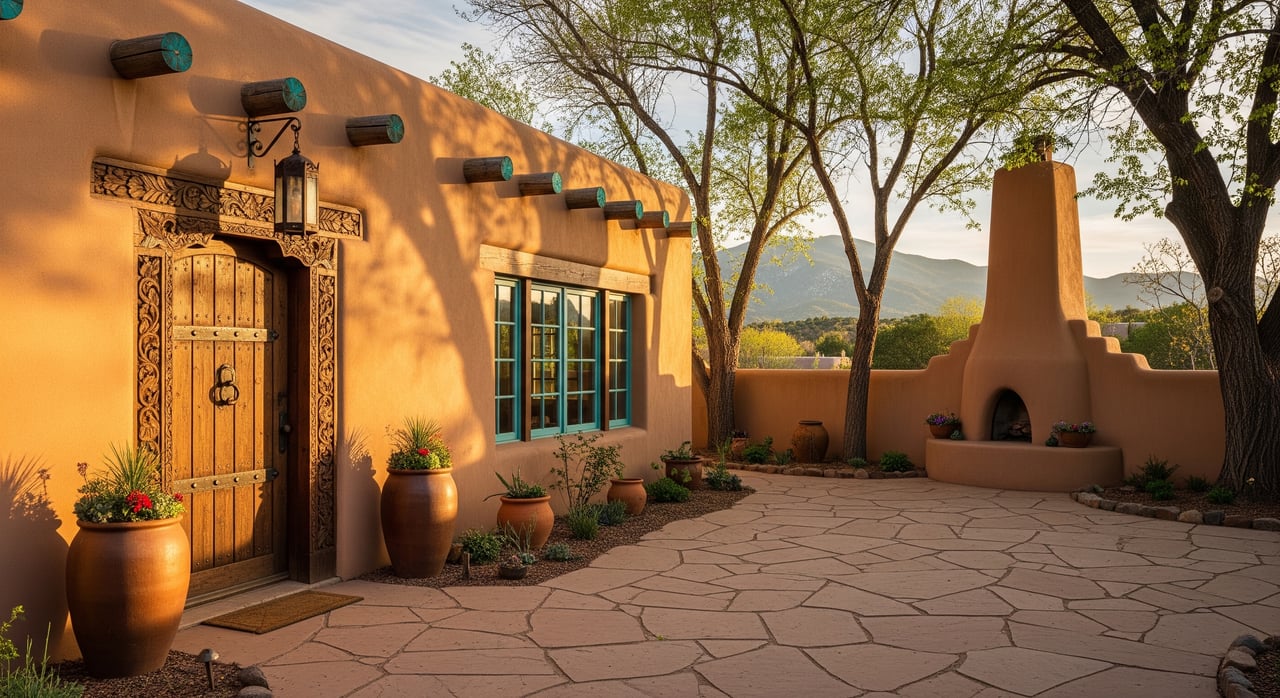
Wood and adobe work together in historic Santa Fe homes, so wood condition is not a side note. Vigas, lintels, wall braces, and flooring can be vulnerable if moisture has been present over time.
Termite damage and wood rot should be treated as serious findings in an adobe property. According to the National Park Service, damaged wood members should be repaired or replaced with wood, since dissimilar materials can create new problems.
Ask whether major wood elements have been replaced and, if so, with what materials. This helps you understand both structural history and whether prior work was preservation-minded.
Look beyond the house to the site
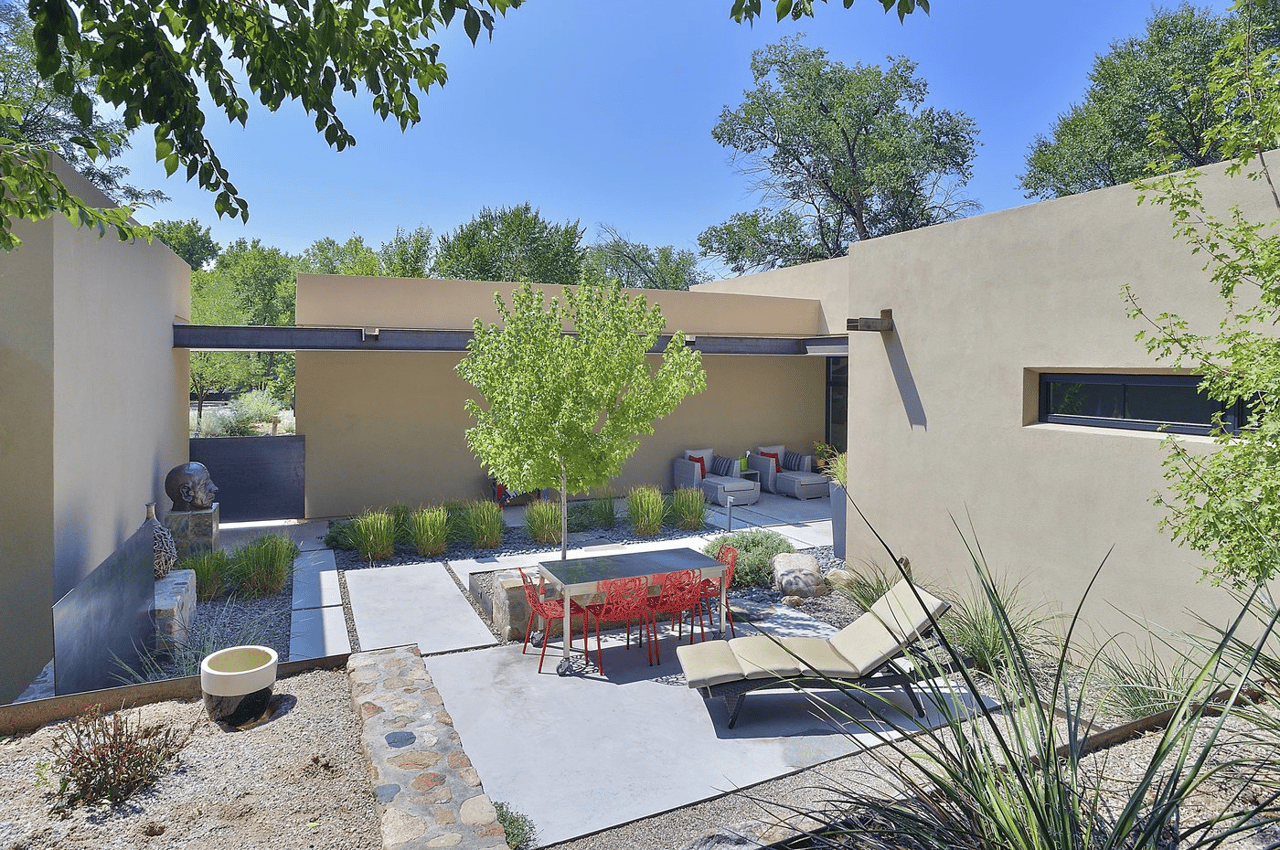
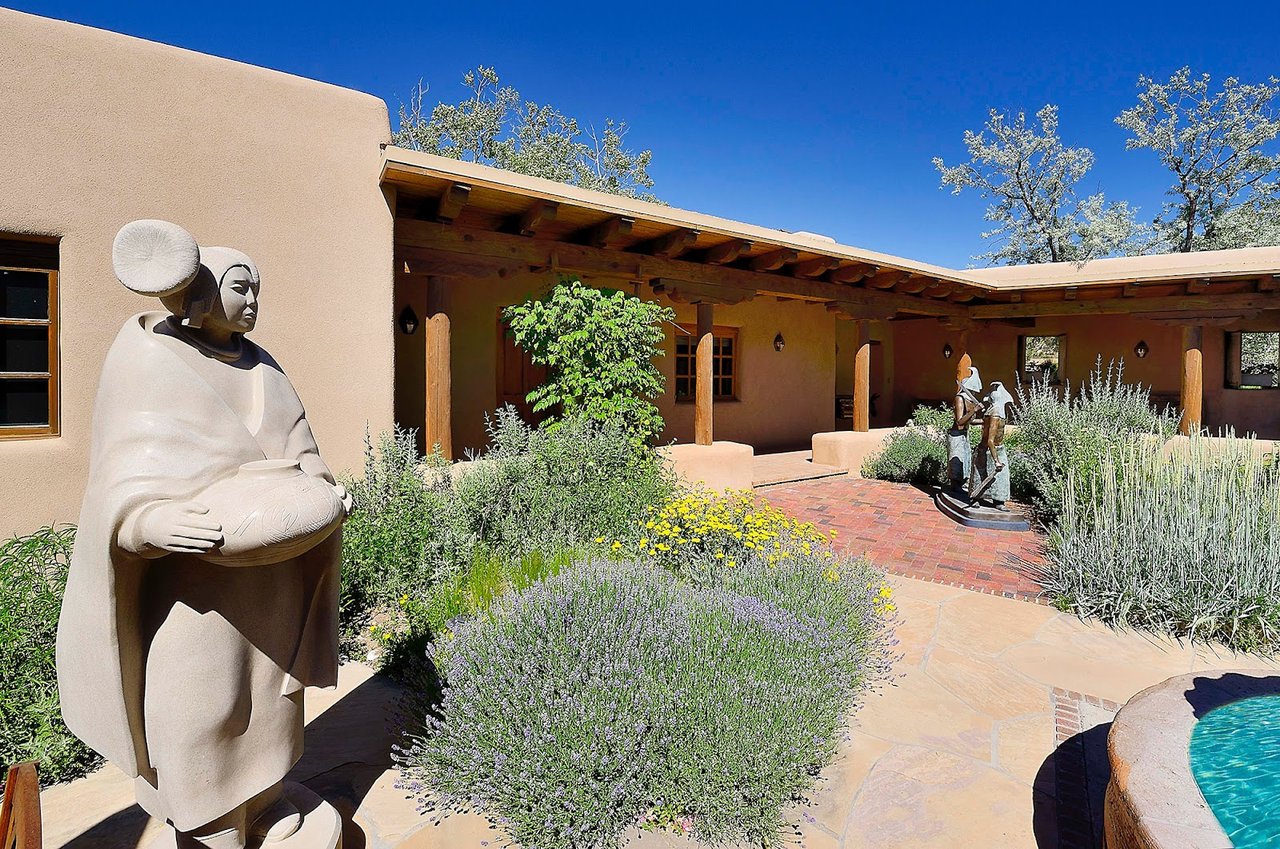
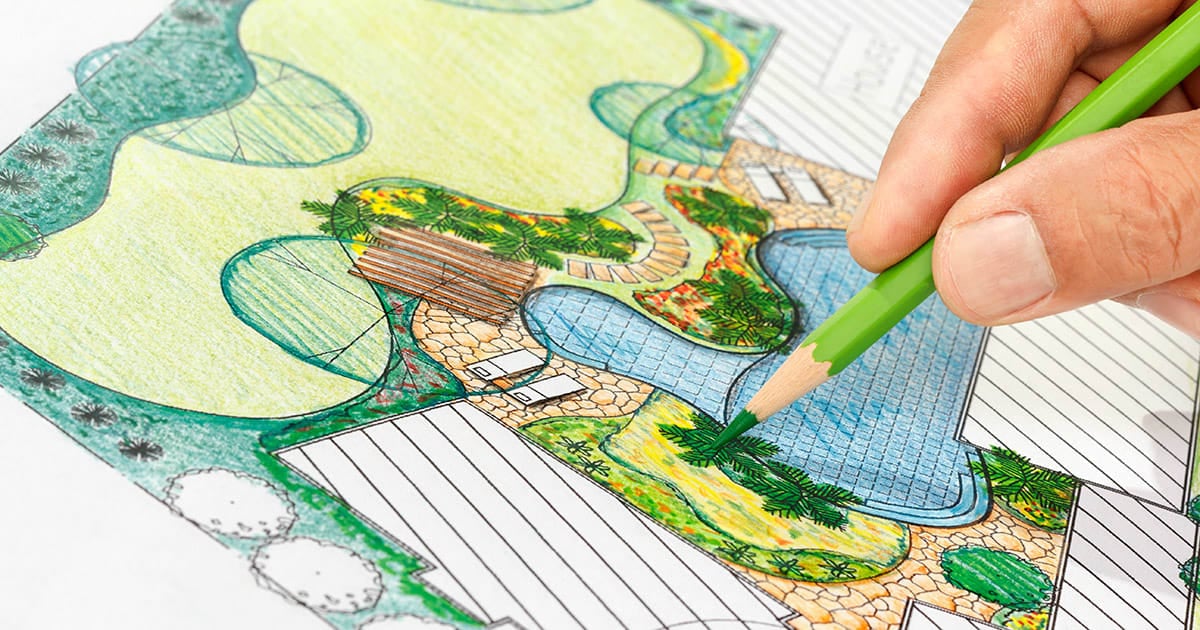
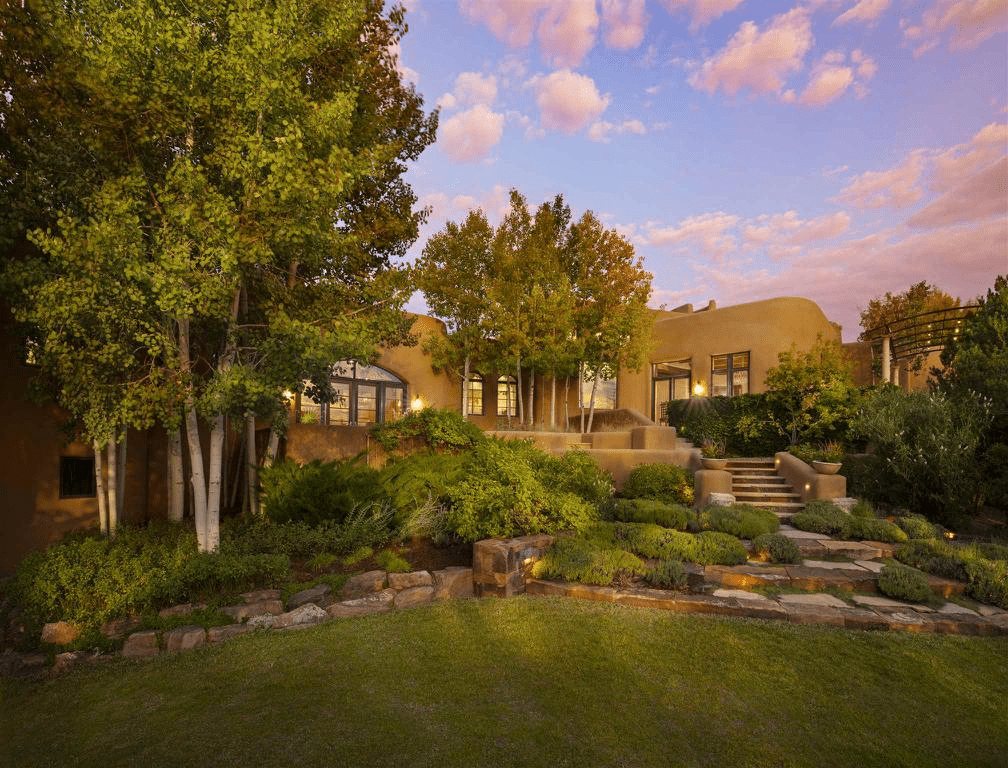
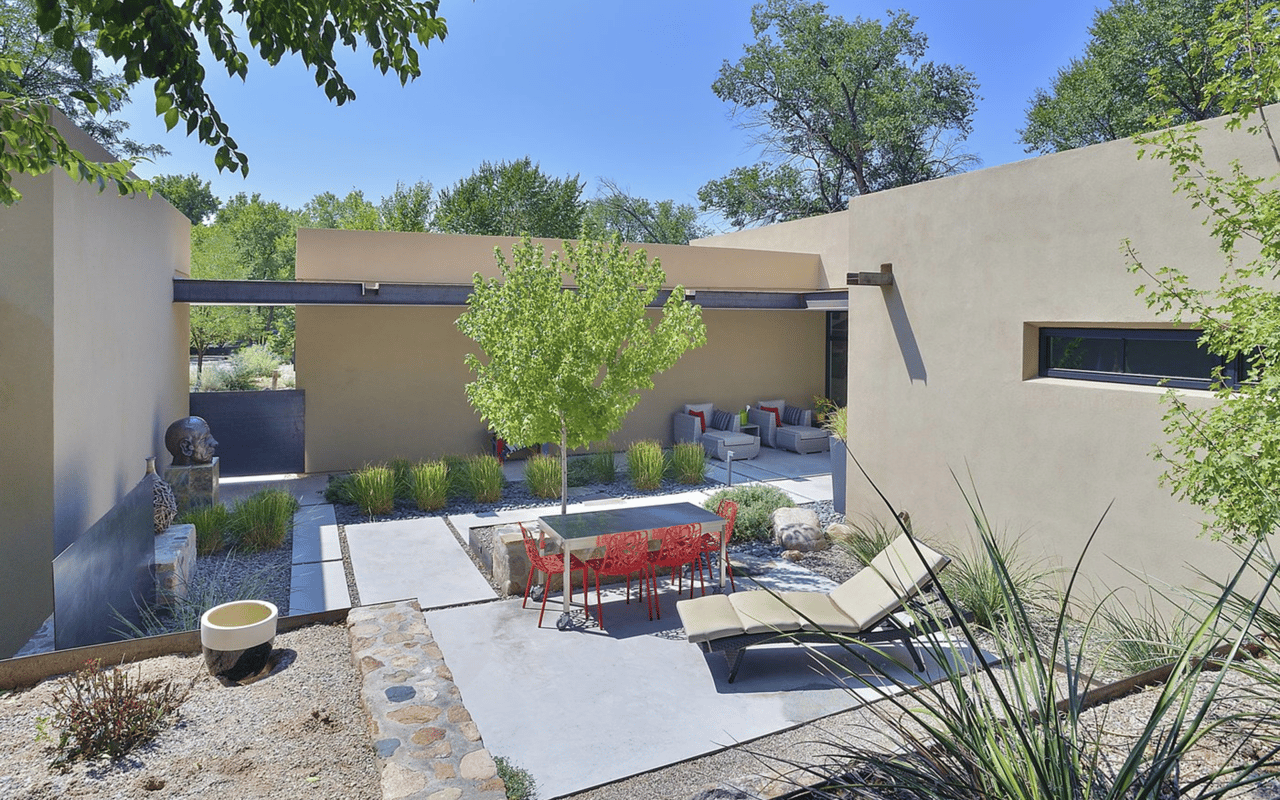
In Historic Eastside, the lot often matters as much as the structure. Many homes evolved over time into L-shaped or rectangular placita courtyards, which can create charm and privacy but also complicate access, drainage, and future renovation plans.
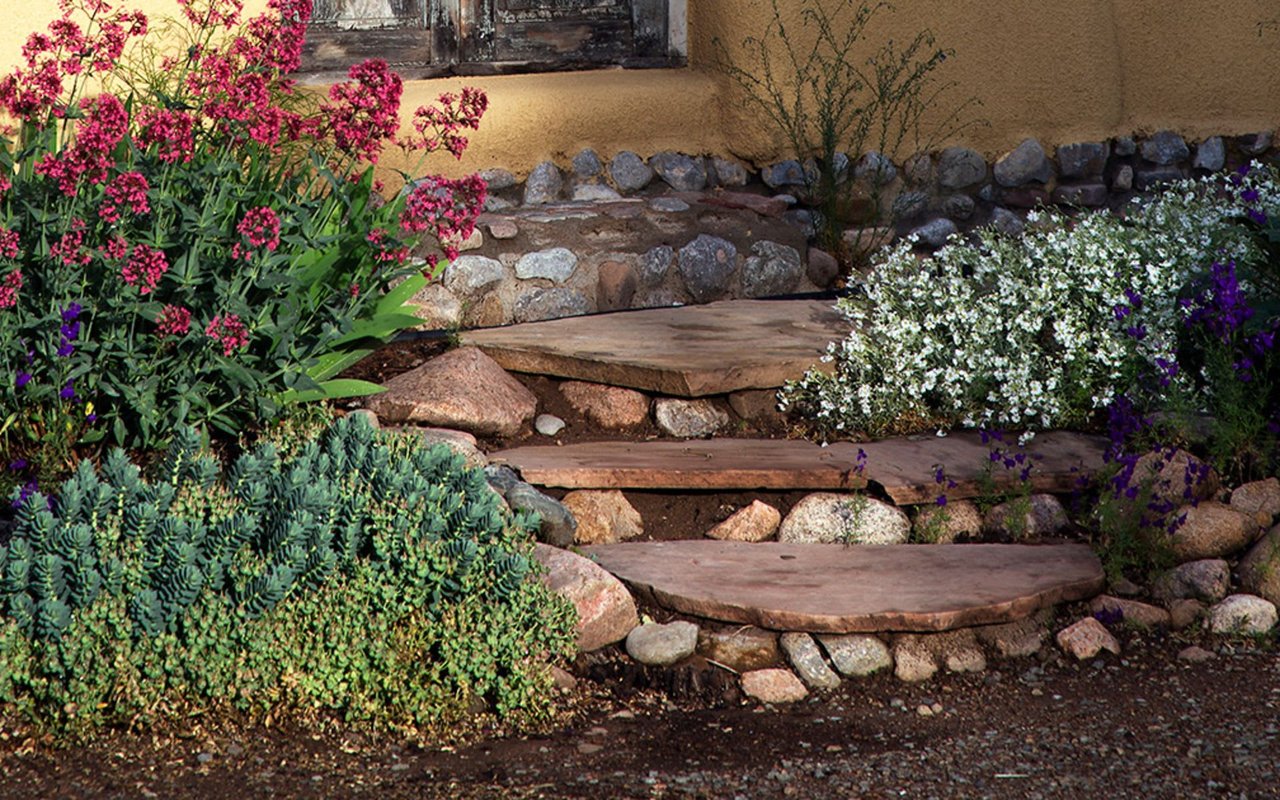
Vegetation deserves a close look here as well. Planting beds, vines, and trees near adobe walls can hold moisture and affect foundations, while roots may cause additional damage.
As you evaluate the property, consider the site as a whole:
- How does water move across the lot?
- Are landscape features too close to adobe walls?
- Do walls, gates, and outbuildings affect drainage or access?
- Does the layout function well for daily life and maintenance?
If the property includes multiple structures or layered additions, this broader site review becomes even more important.
Review updates with a preservation lens
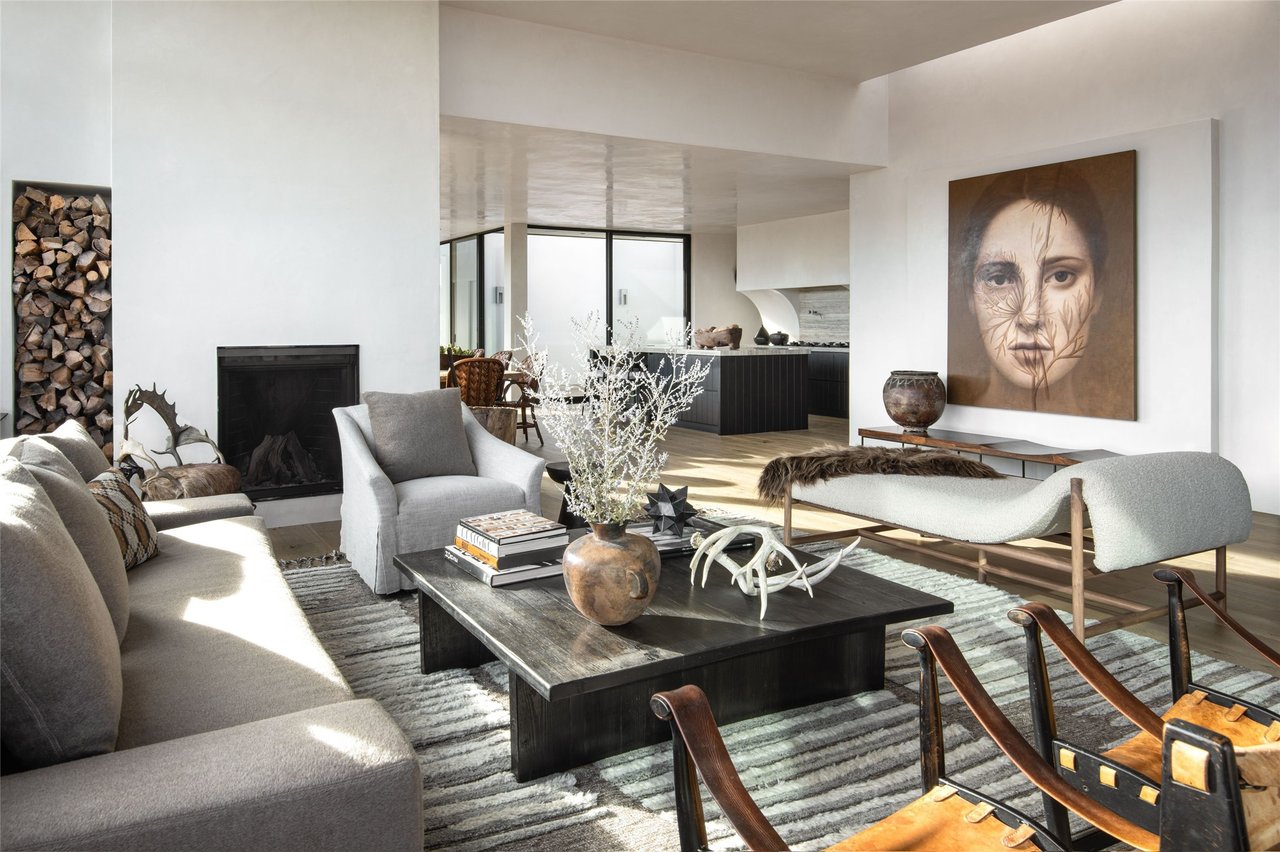
Many buyers love a historic adobe because it blends old-world character with modern comfort. That balance is possible, but in the Eastside, updates should be reviewed with care.
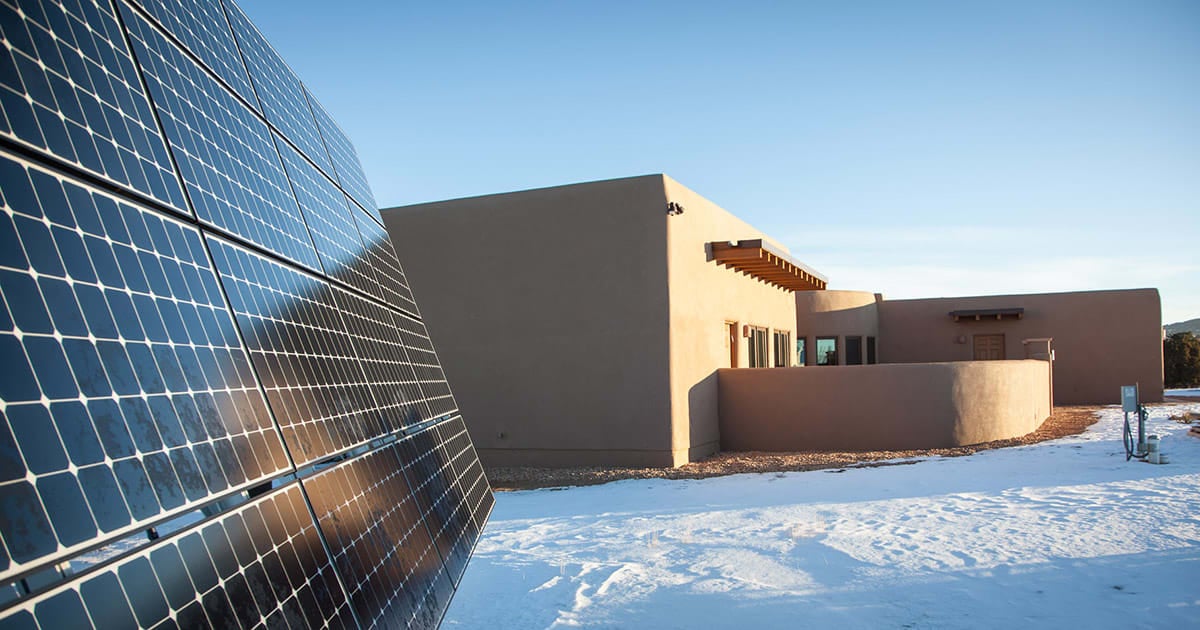
The city handbook states that historic openings on protected facades should not be widened or narrowed, and replacement windows should match historic size, style, and material. Publicly visible rooftop features such as solar collectors, clerestories, decks, or mechanical equipment on contributing structures may require an exception.
Exterior details also matter. District standards emphasize earth-tone wall colors and matte or dull finishes, which means even cosmetic changes can carry review implications.
When you review a home, ask whether exterior changes, additions, window replacements, roof work, or rooftop equipment were approved. A tasteful result is not enough on its own. You want to know whether the work aligns with the district’s process and standards.
Think through parking and everyday function
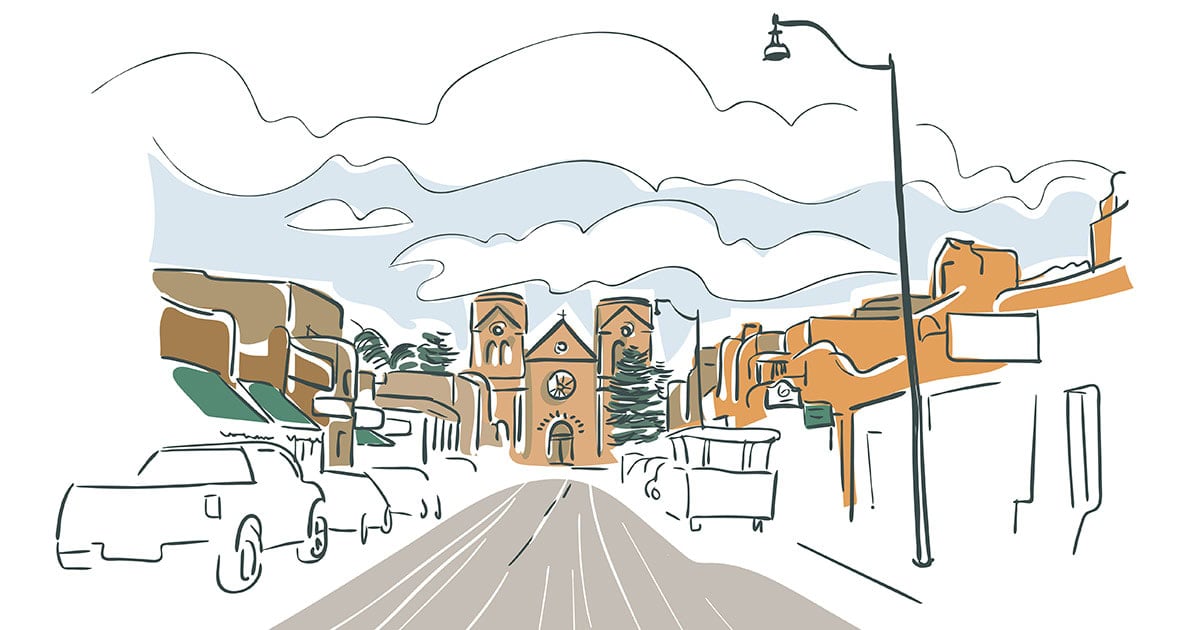
The Eastside’s character comes with real-world tradeoffs. Narrow streets, older lot patterns, and homes close to property lines can make parking, deliveries, and contractor access less predictable than in newer parts of town.
That is why parking should be part of your due diligence from the start. Santa Fe manages residential parking permits by district, and Acequia Madre is listed as District 9.
Before you move forward, confirm:
- Whether the property has off-street parking
- Whether the street requires a residential permit
- How guest parking works
- Whether service vehicles and contractors can access the site easily
- How snow removal or seasonal access issues may affect the property
These practical details can shape your day-to-day experience more than buyers expect.
Plan ahead for renovation work
If you hope to remodel after closing, start your research early. In the historic district, changes may require review by the Historic Preservation Division, and ground-disturbing work may also trigger archaeological review.
This is especially relevant if your plans include excavation, retaining walls, utility rerouting, or major site work. Early conversations can save time, clarify feasibility, and help you build a more realistic renovation budget.
For larger projects, the research strongly supports early consultation with a preservation architect, an adobe-experienced contractor, and the Historic Preservation Division. That kind of planning can materially affect both cost and schedule.
Ask about tax credits before work begins
For some buyers, preservation incentives may be part of the financial picture. New Mexico’s state historic tax credit can apply to residential or income-producing properties that are individually listed in the State Register or that contribute to a listed historic district, but projects must be pre-approved before work starts.
The federal historic tax credit is limited to income-producing properties. If you are considering a major rehabilitation, this is worth asking about early so you can understand whether any part of the project may qualify.
Because approval timing matters, this is not something to research after demolition or construction begins. It belongs in your planning phase.
A smart buyer’s Eastside checklist
If you are seriously considering a Historic Eastside adobe, keep these questions in front of you:
- What is the home’s historic status?
- Is it part of a historic compound?
- Was the exterior work properly approved?
- Is the home traditional adobe, newer masonry, or a combination?
- Are there signs of roof leaks, drainage issues, wall bulging, or trapped moisture?
- Have vigas, lintels, or other wood elements been replaced?
- How does parking work on a normal day?
- Will any future project require historic or archaeological review?
- Could a major rehabilitation qualify for New Mexico’s state historic tax credit?
A well-bought Eastside adobe can be a remarkable long-term asset and a deeply rewarding place to live. The key is to evaluate it with care, respect for the property’s construction, and a clear understanding of how Santa Fe’s historic framework shapes ownership.
When you want experienced guidance on evaluating a historic Santa Fe property, a private consultation with Darlene Streit can help you move forward with clarity and confidence.
FAQs
What should you inspect first in a Historic Eastside adobe home?
- Start with water management, including the roof, parapets, canales or drains, and the way the ground slopes around the home.
What does historic status mean for a Santa Fe Eastside property?
- Historic status helps determine how exterior changes are reviewed and what preservation standards may apply to features such as roofs, windows, openings, and visible rooftop elements.
Can a Santa Fe home look like adobe without being traditional adobe?
- Yes. Some homes may use modern materials that simulate an adobe appearance, so you should ask for construction history, repair records, and permit documentation.
Why is parking an important issue in Historic Eastside Santa Fe?
- Narrow streets, older lot layouts, and residential parking permit rules can affect daily access, guest parking, deliveries, and contractor logistics.
When does archaeological review matter for a Santa Fe historic property?
- It can matter when a project involves ground disturbance, such as excavation, retaining walls, or utility rerouting, so it is best to ask early in the planning process.
Can a Historic Eastside renovation qualify for tax credits in New Mexico?
- It may, if the property meets program requirements and the project is pre-approved before work begins under New Mexico’s state historic tax credit program.