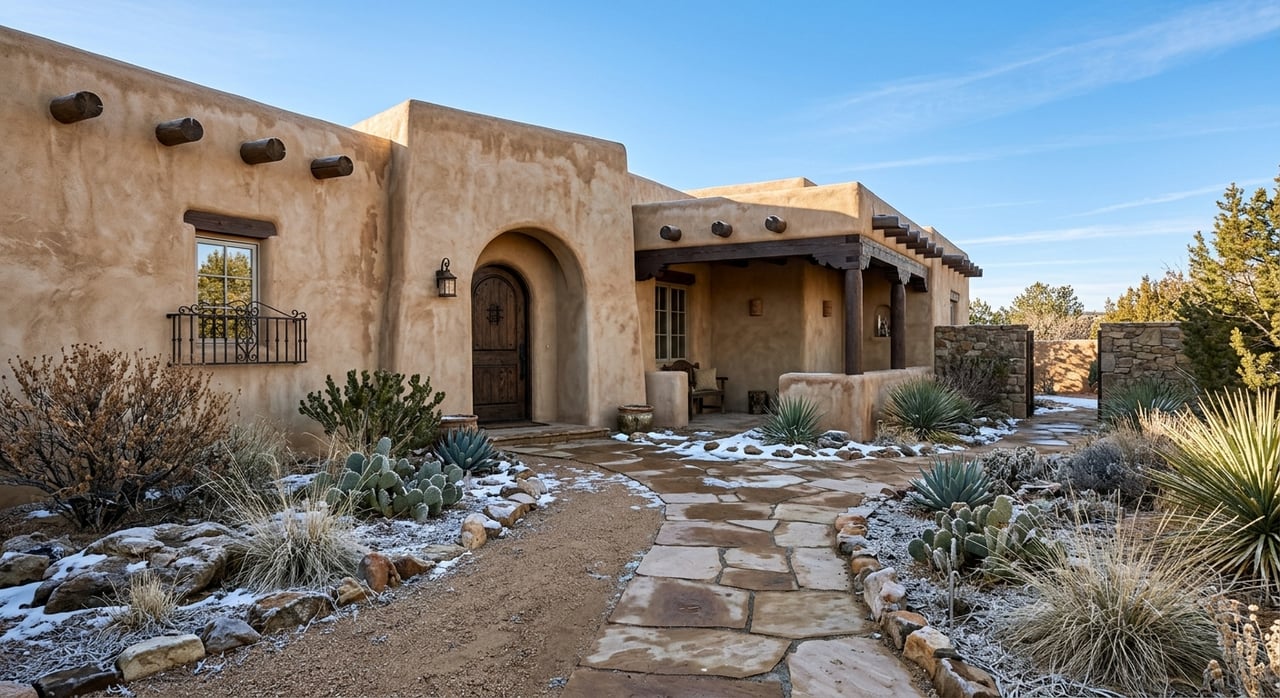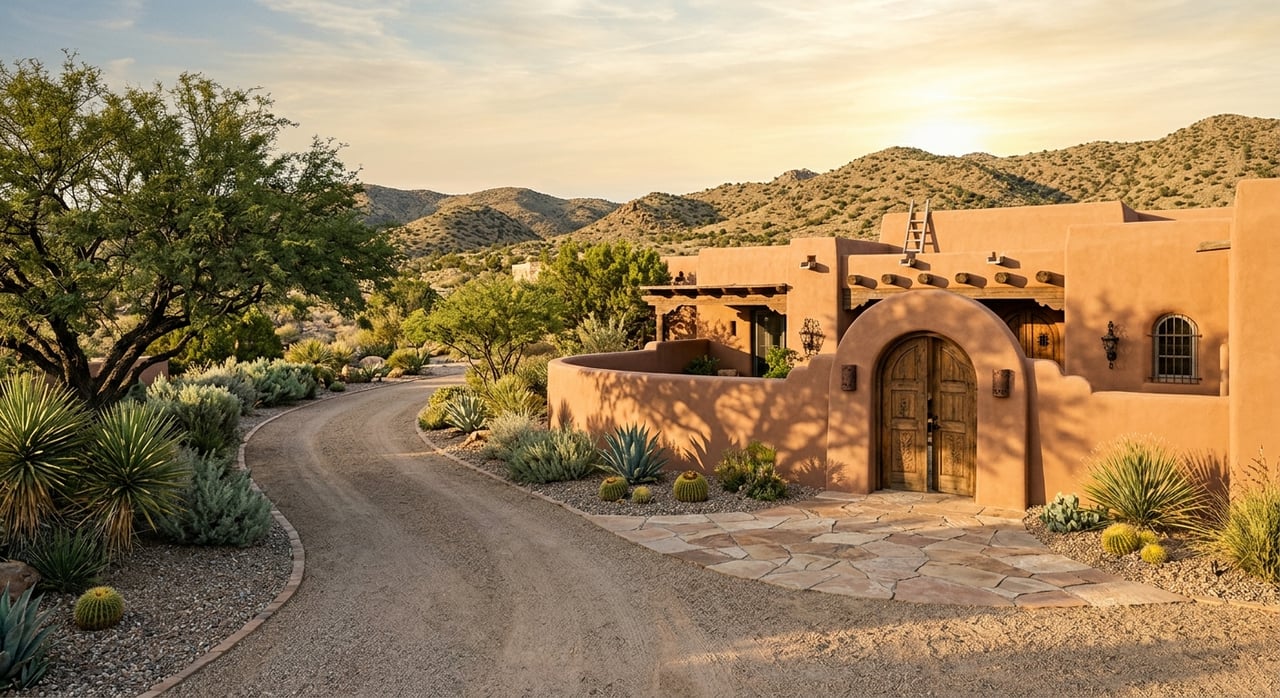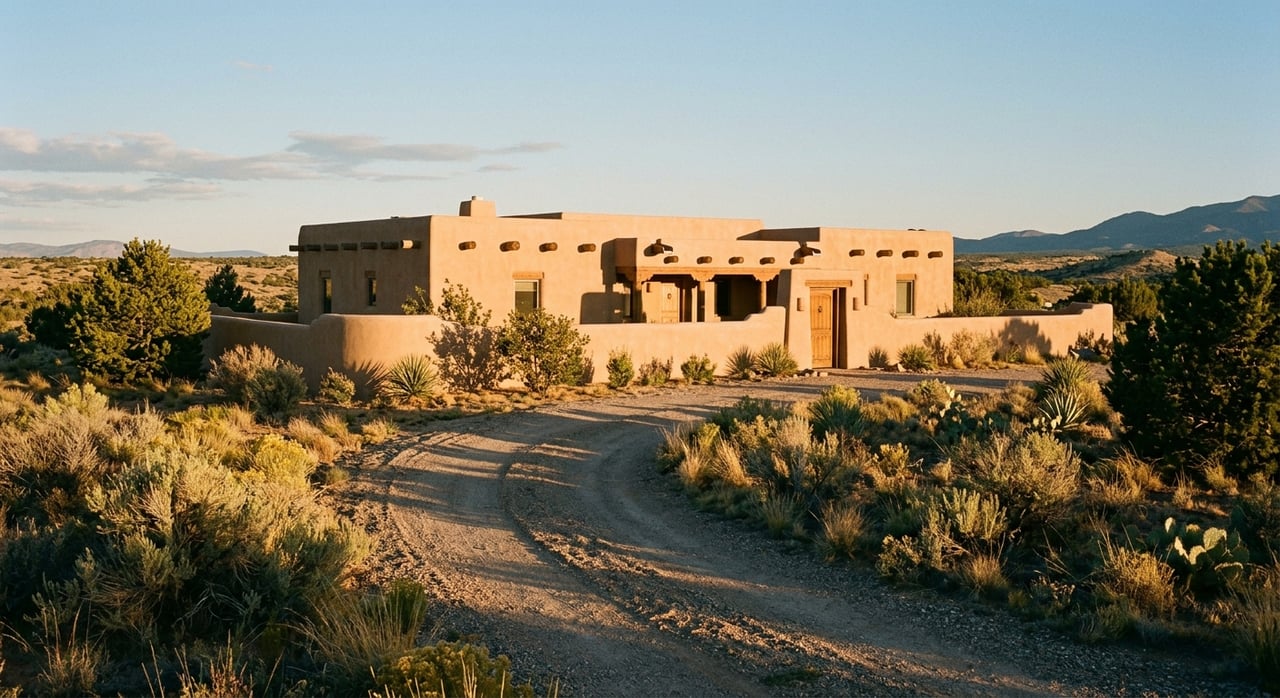
Drawn to the wide-open views around Abiquiu and Chama? You are not alone. Buyers often come here for privacy, scenery, and the kind of land that feels like a long-term legacy purchase, but rural acreage comes with questions that matter far more than curb appeal. If you are considering land in this part of Rio Arriba County, this guide will help you focus on the practical checks that can protect your investment. Let’s dive in.
Why Abiquiu and Chama Attract Land Buyers
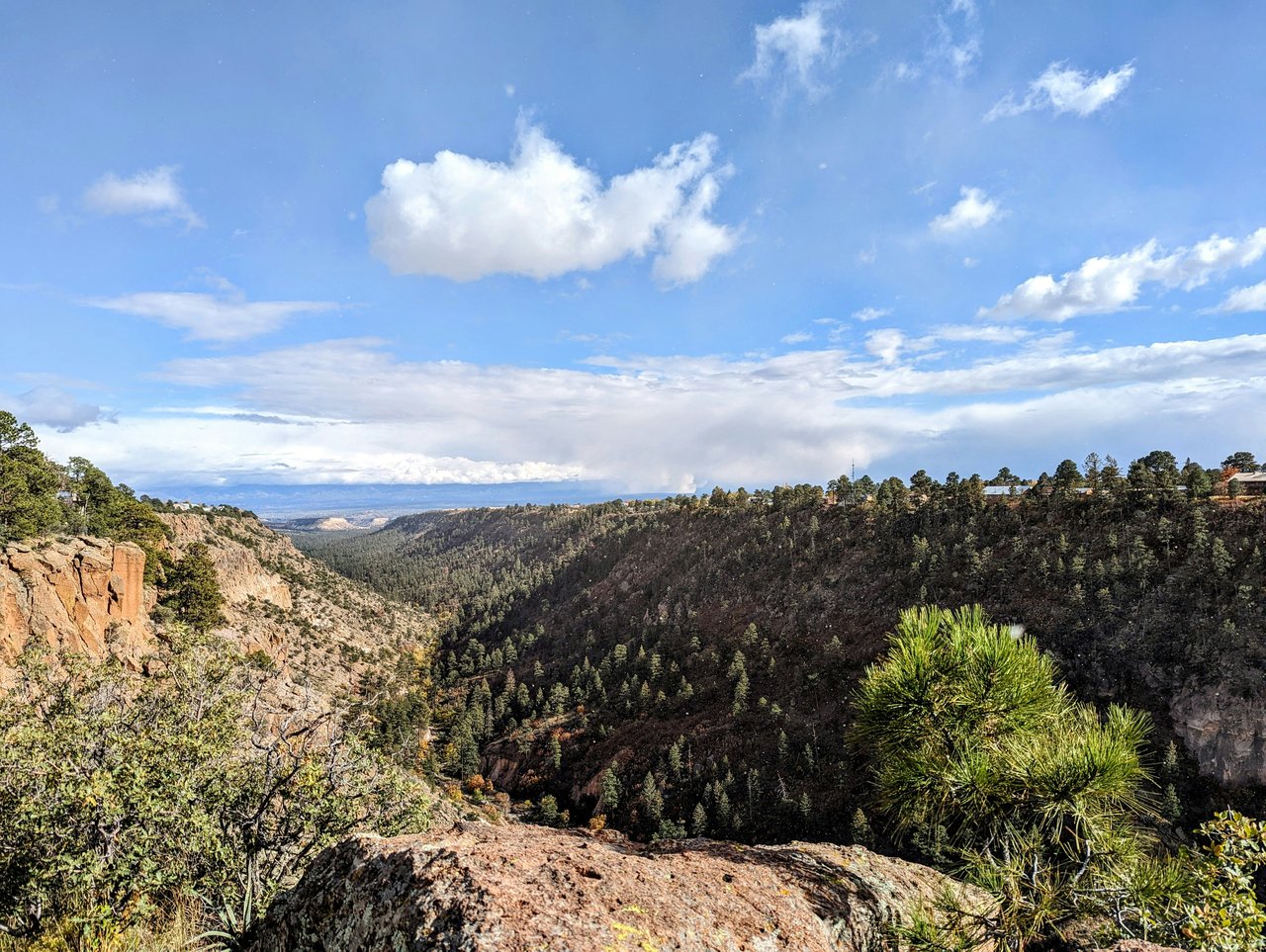
Abiquiu and the Rio Chama corridor offer a landscape that is hard to duplicate. The area combines river canyons, open acreage, wilderness character, and a long agricultural history tied to the Rio Grande and Rio Chama valleys.
The appeal is often deeply personal. You may be looking for a private retreat, a future homesite, ranch land, or acreage to hold for the next generation. In this market, though, the beauty of the setting is only one piece of the decision.
Why Rural Land Needs Extra Due Diligence
Land around Abiquiu and Chama is not a one-size-fits-all purchase. Parcels may be dry view acreage, ranch land, irrigated land, or land influenced by acequia irrigation, and each category can come with very different practical limits.
That is why it helps to think in two categories: raw land and land with infrastructure. A scenic parcel may still need major confirmation on access, water, septic feasibility, utility service, and county review before you can move from ownership to actual use.
Start With the Intended Use
Before you make an offer, get clear on what you want the land to do for you. A parcel you plan to hold for privacy or long-term value may work very differently from one you want to build on right away.
For many buyers, the most useful first question is simple: Is this parcel buildable for my intended use now? That answer depends on more than the listing description. It may involve county permitting, wastewater review, road access, and water issues that should be checked early.
Access and Roads Matter First
One of the most important rural land questions is how you legally reach the property. You will want to verify whether the parcel fronts a county road, is served by a private road, or depends on a recorded easement.
Rio Arriba County’s Road Department handles county roads and easements, and the county also maintains a County Road Ordinance and a road-cut ordinance. If you expect to improve access, trench utilities, or make changes near the roadway, you should confirm whether county approval will be required.
A beautiful parcel can become much less appealing if access is unclear or maintenance responsibility is uncertain. In rural purchases, this is one of the first items worth confirming in writing.
Do Not Rely on GIS for Boundaries
County property search tools and GIS maps are useful for early research, but they are not proof of legal boundaries or title. Rio Arriba County states that assessor maps are for visual and general reference only and should not be used to establish boundary lines or legal title.
That makes a current survey especially valuable on rural acreage. If lot lines, fence lines, corners, or access routes are important to your decision, a survey can help you understand what you are actually buying before closing.
Water Rights Deserve Careful Review
In Northern New Mexico, water can be one of the most important parts of a land purchase. The New Mexico Office of the State Engineer says anyone wanting to use water must have a permit, and acequias are recognized as local political subdivisions that govern neighborhood ditches.
For you as a buyer, the key question is not simply whether water is nearby. The real issue is what legal water source, water right, or acequia relationship actually runs with the property, and whether that supports your intended use.
This is especially important on irrigated acreage or land that appears to benefit from ditch systems. If water is part of the parcel’s value, you should make sure the legal basis for that value is clear.
Septic Feasibility Can Change Everything
Many rural parcels do not have public wastewater service, so septic feasibility becomes a major part of due diligence. New Mexico Environment Department records can help with early screening, but the online wastewater permit finder notes that the information is only valid through January 27, 2017.
If newer or more complete information is needed, NMED directs buyers to contact the local field office and have a legal description or proof of ownership ready. In practical terms, you should not assume a parcel will support your plans until wastewater questions have been properly checked.
Flood Risk Is Not Just a River Question
Flood risk deserves attention even on land that does not look obviously vulnerable at first glance. FEMA’s Flood Map Service Center is the official source for National Flood Insurance Program flood-hazard information, and Rio Arriba County also has a flood-damage prevention ordinance.
If a parcel sits near a drainage, wash, acequia, river terrace, or low area, floodplain status should be reviewed before you estimate site costs or home placement. A parcel’s topography can affect both building options and long-term expense.
Wildfire Planning Should Be Part of Your Budget
Open rural settings can offer remarkable privacy, but they also call for practical planning around wildfire risk. FEMA and the U.S. Fire Administration recommend defensible space around homes, including keeping the first 5 feet clear of combustible materials and managing vegetation in outer zones.
If you plan to build, it is wise to include site hardening, vegetation management, and emergency access planning in your budget from the start. This is not just a design issue. It can affect how comfortably and safely you use the property over time.
Understand Rio Arriba County Permit Review
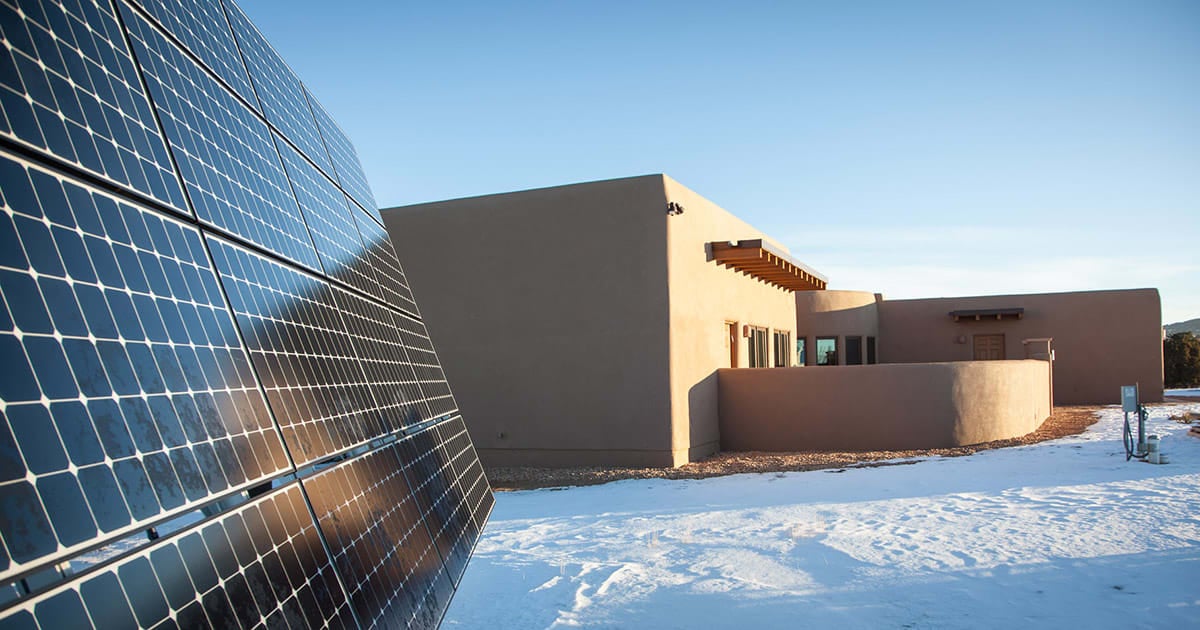
A common mistake with land purchases is assuming that an unimproved parcel will stay simple once you own it. In Rio Arriba County, development permits are required for a wide range of work, including construction, manufactured home placement, new utility service or meter relocation, grading, solar panels, accessory structures, fencing, temporary RV use while under construction, and additions.
The county also warns that fines may be charged if development begins before a permit is issued. That means your planning process should include county review early, not after you have already committed to a design or contractor.
Some larger or more specialized projects may also need conditional-use or special-use permits. In addition, habitable dwellings must have an account with the North Central Solid Waste Authority.
Do Not Overlook Address Verification
A rural address is not always as straightforward as buyers expect. Rio Arriba County notes that a 911 address verification form may be required by USPS, the New Mexico Motor Vehicle Division, utility providers, and mortgage lenders.
This may sound like a small administrative step, but it can affect move-in planning, utility setup, and financing logistics. On rural acreage, details like this often matter more than buyers expect.
A Simple Way to Evaluate Land
When you compare parcels around Abiquiu and Chama, it helps to work through the same checklist each time. That keeps the search grounded in facts instead of just views and first impressions.
Here are the questions worth asking early:
- Is legal access recorded and clearly documented?
- Does the parcel front a county road, private road, or easement?
- What water source or water right serves the land?
- Is there an acequia relationship that affects use or irrigation?
- Can septic approval likely be obtained for the intended homesite?
- Is any part of the property in a floodplain or low drainage area?
- Will grading, utilities, fencing, solar, or construction trigger county permits?
- Would wildfire mitigation or emergency access upgrades add cost?
- Is a current survey needed to confirm boundaries and access?
Why Expert Guidance Matters on Acreage Purchases
Land transactions often look simple from a distance, but they usually involve more variables than a finished home purchase. Around Abiquiu and Chama, value often depends on what can be confirmed, not what is assumed.
That is where experienced, local guidance can make a real difference. A careful, concierge-level approach can help you sort through the county process, identify the right questions early, and pursue acreage with more confidence and fewer surprises.
If you are considering buying land or acreage around Abiquiu and Chama, a private consultation with Darlene Streit - Second Site can help you evaluate the opportunity with clarity and local insight.
FAQs
What makes land around Abiquiu and Chama appealing to buyers?
- Buyers are often drawn to the area for privacy, scenery, wilderness character, river-canyon landscapes, and the possibility of long-term or legacy ownership.
What should you verify before buying acreage in Rio Arriba County?
- You should confirm legal access, boundary information, water source or water rights, septic feasibility, flood risk, wildfire considerations, and whether your intended use will require county permits.
Can you assume a rural parcel near Abiquiu is buildable?
- No. Buildability depends on factors such as access, wastewater feasibility, water, floodplain status, and county development permit requirements.
Why are water rights important when buying land in Northern New Mexico?
- Water use in New Mexico is regulated through the State Engineer, and some parcels may also involve acequia systems, so you need to know what legal water source or right actually runs with the property.
Do you need a survey when buying land around Chama or Abiquiu?
- A current survey is often very useful because county GIS and assessor maps are for general reference and are not intended to establish legal boundaries or title.
What kinds of projects require Rio Arriba County permits on rural land?
- The county requires permits for many activities, including construction, manufactured home placement, new utility service or meter relocation, grading, solar panels, accessory structures, fencing, temporary RV use during construction, and additions.