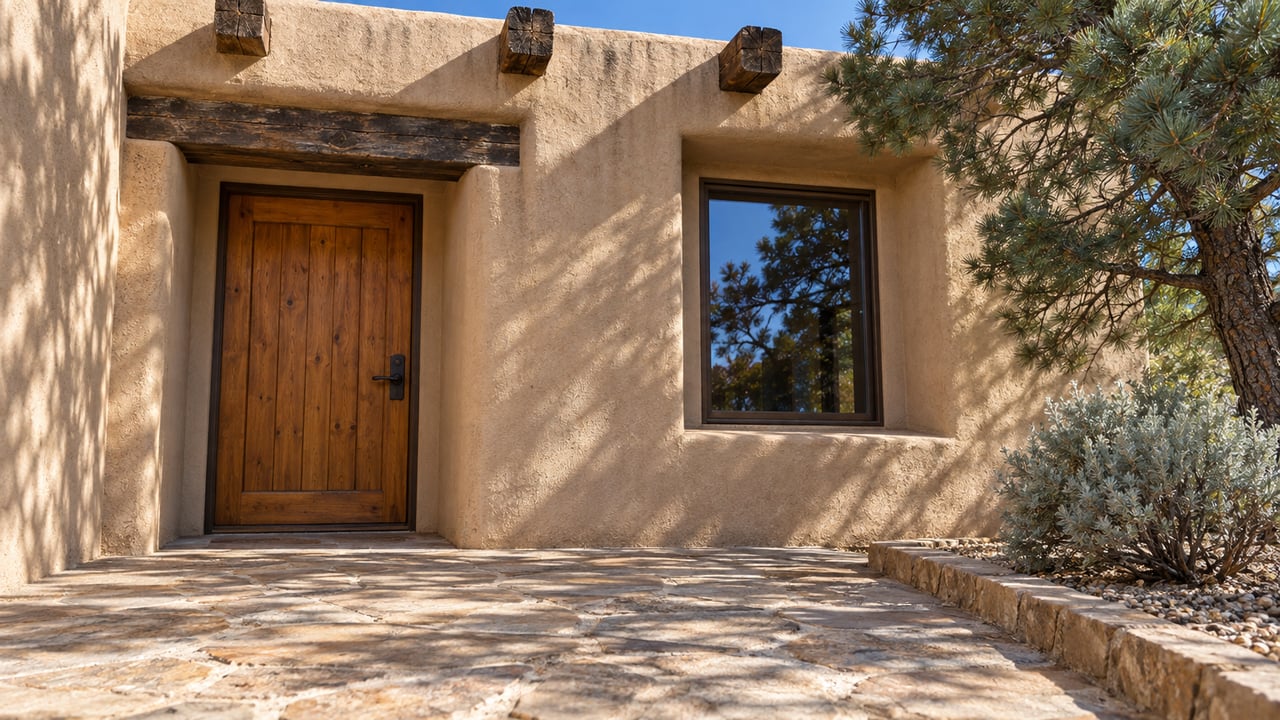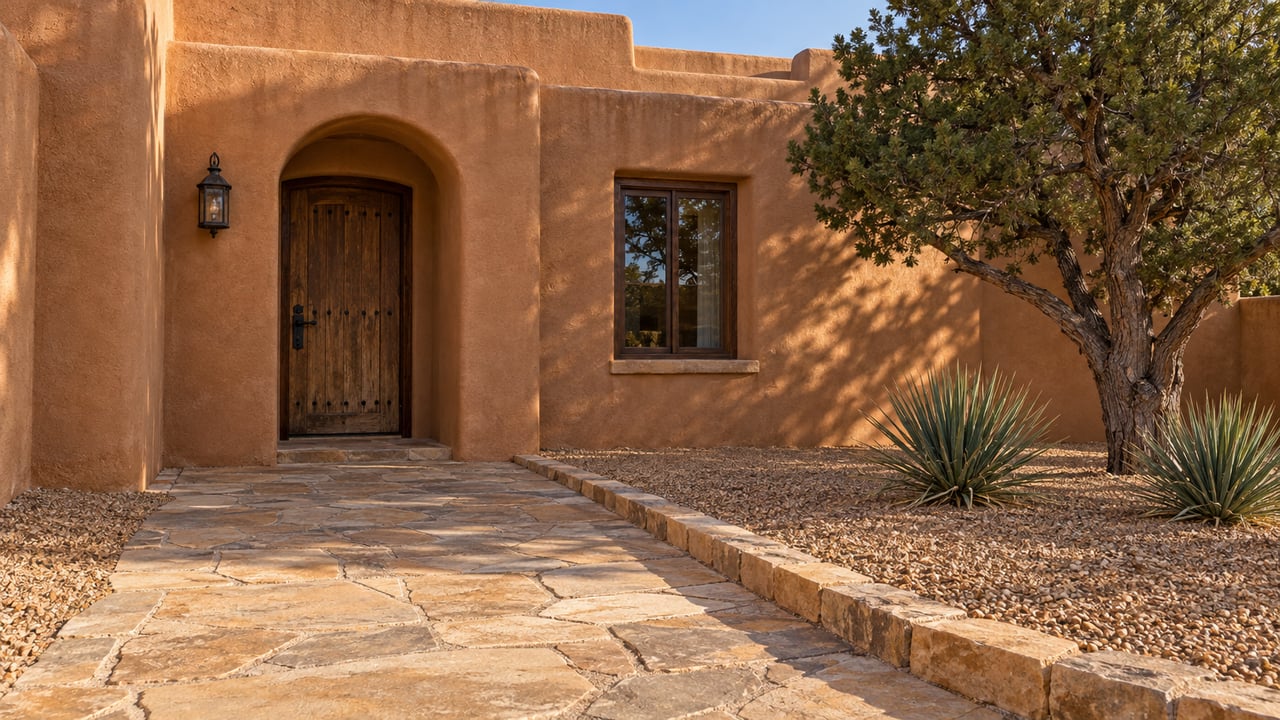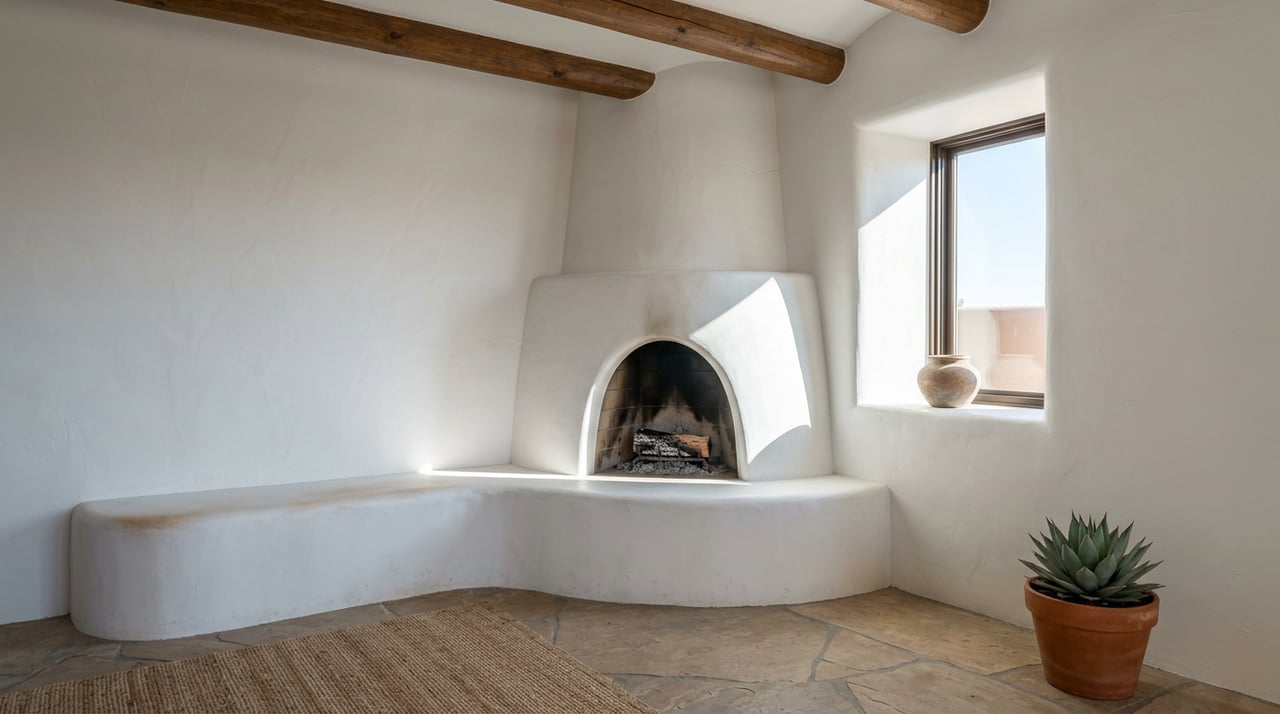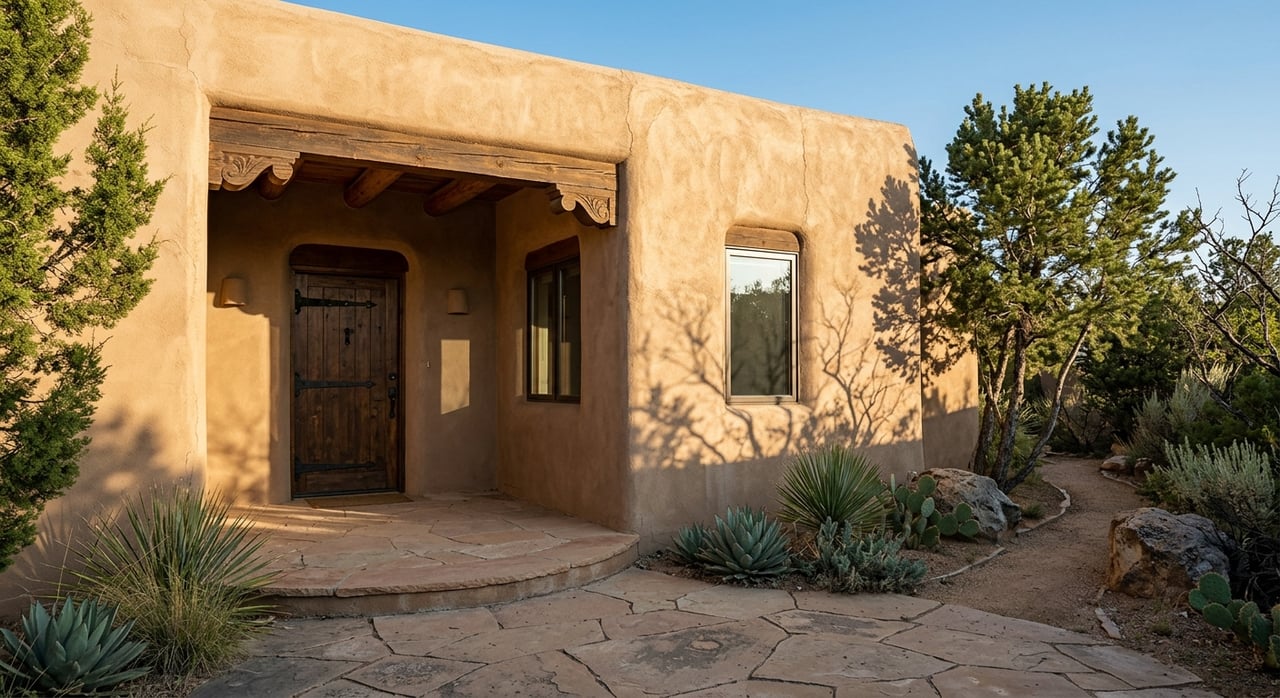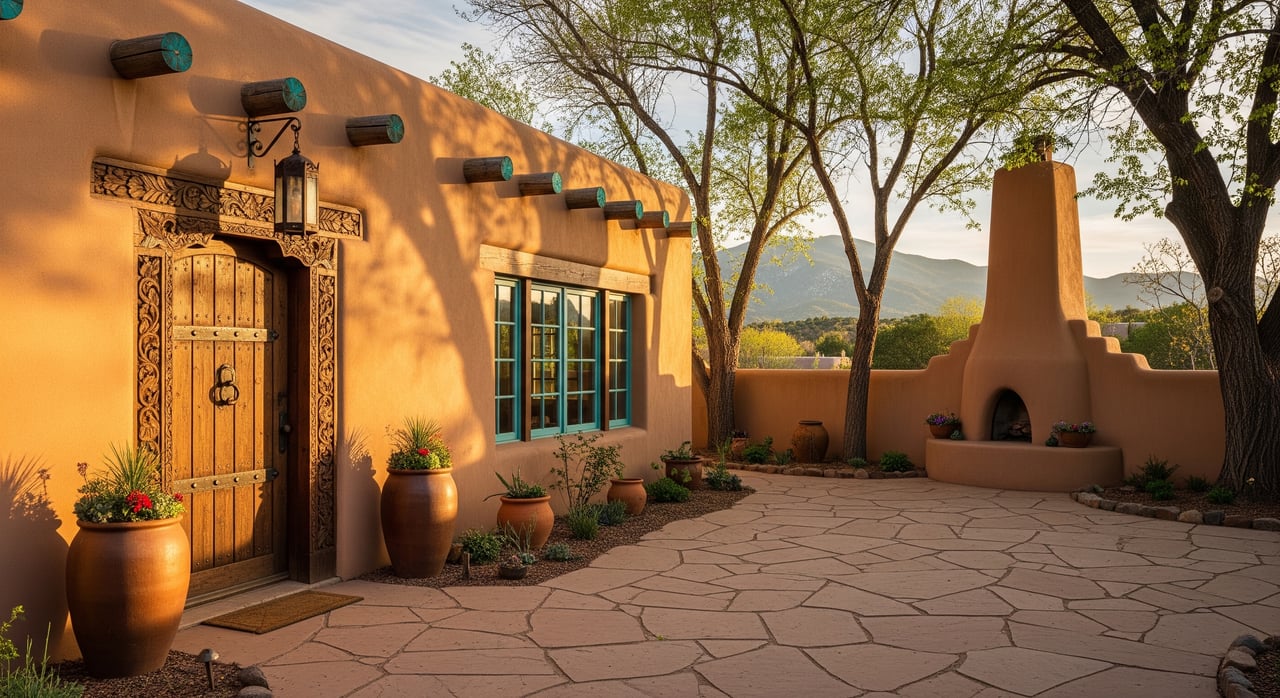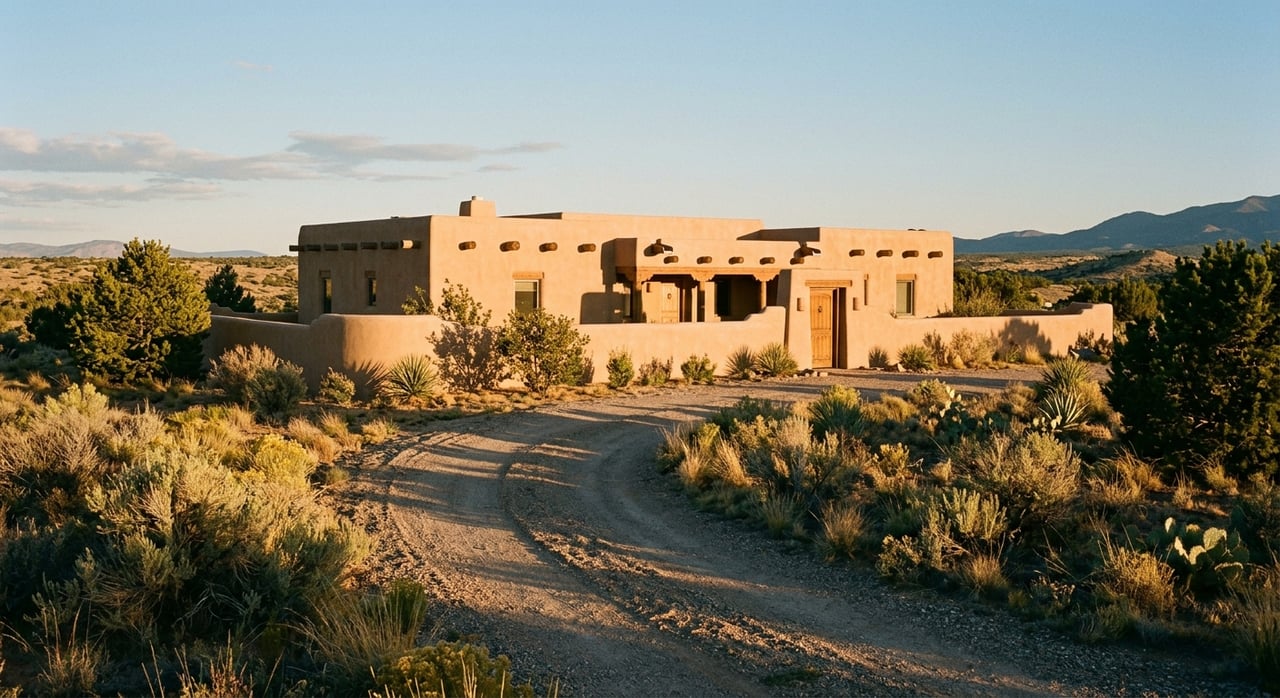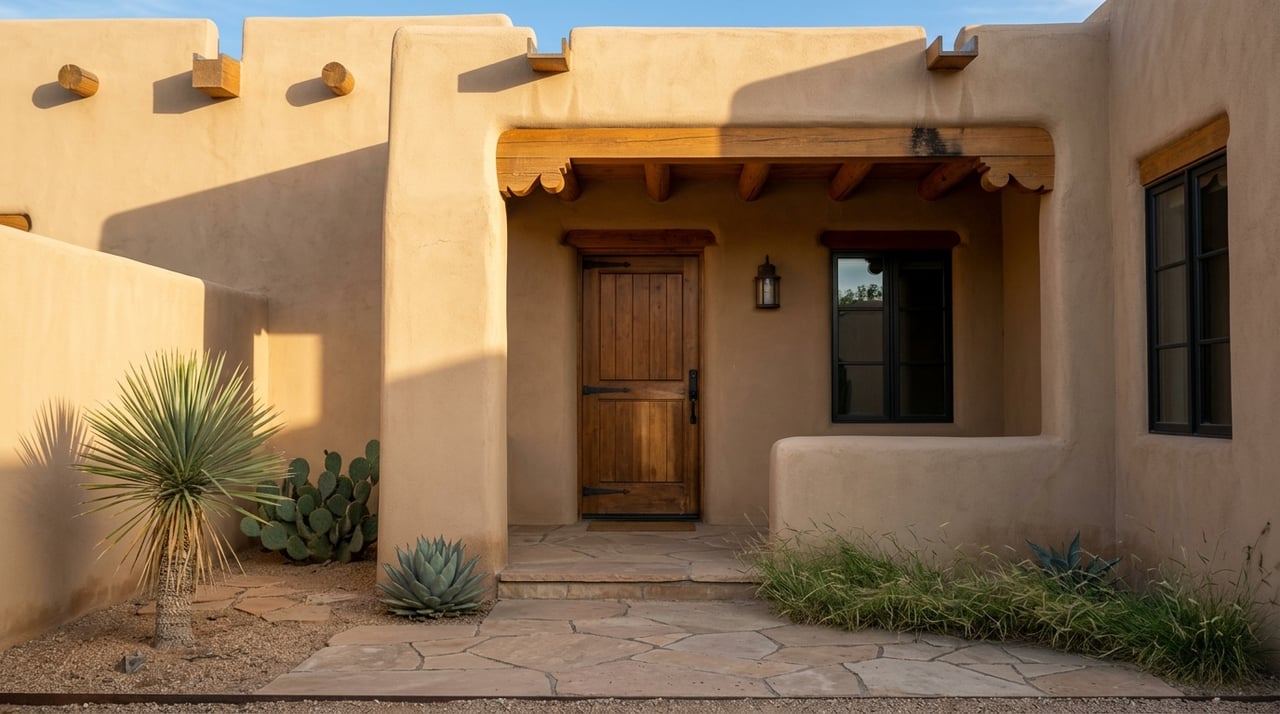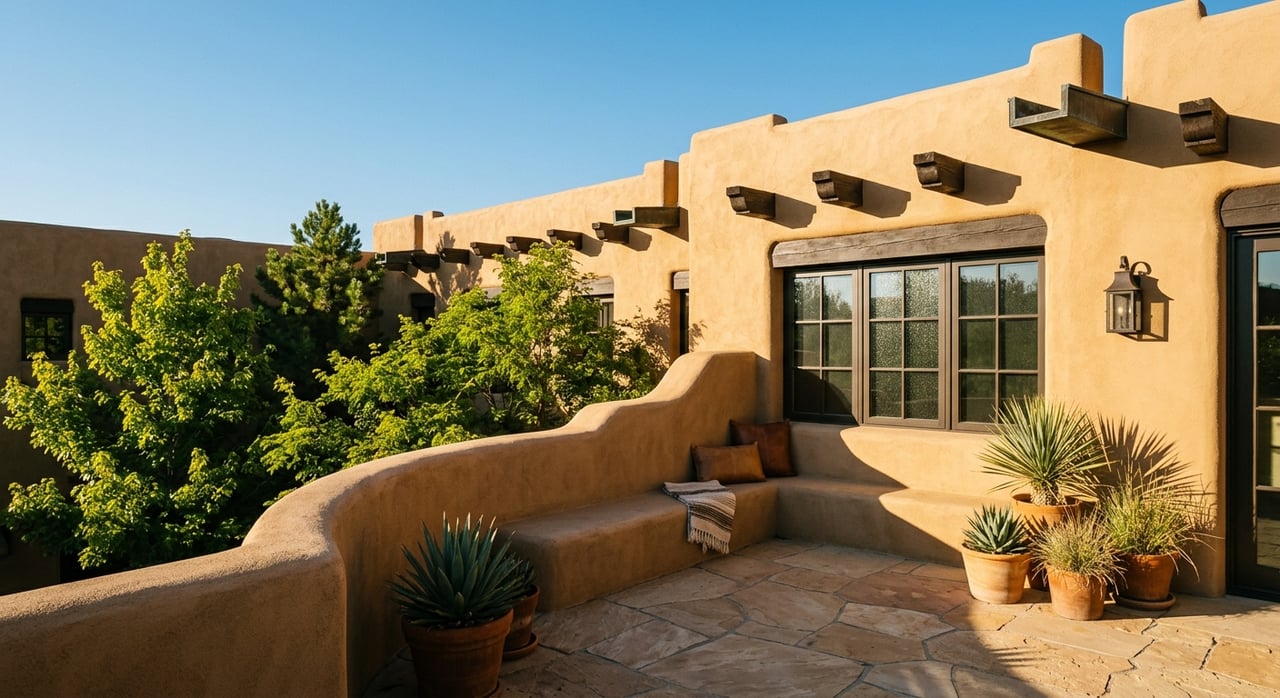
Looking for a place that feels worlds away from city life without losing your connection to Santa Fe or Albuquerque? Life along the Turquoise Trail offers exactly that balance for many buyers. If you are drawn to big skies, artistic communities, rural land, and a more self-directed way of living, this corridor is worth a closer look. Let’s dive in.
What the Turquoise Trail really is
The Turquoise Trail is a federally designated National Scenic Byway linking Santa Fe and Albuquerque. Official sources describe it as roughly a 50 to 60-mile corridor, making it a scenic alternative to the interstate rather than just a shortcut between cities.
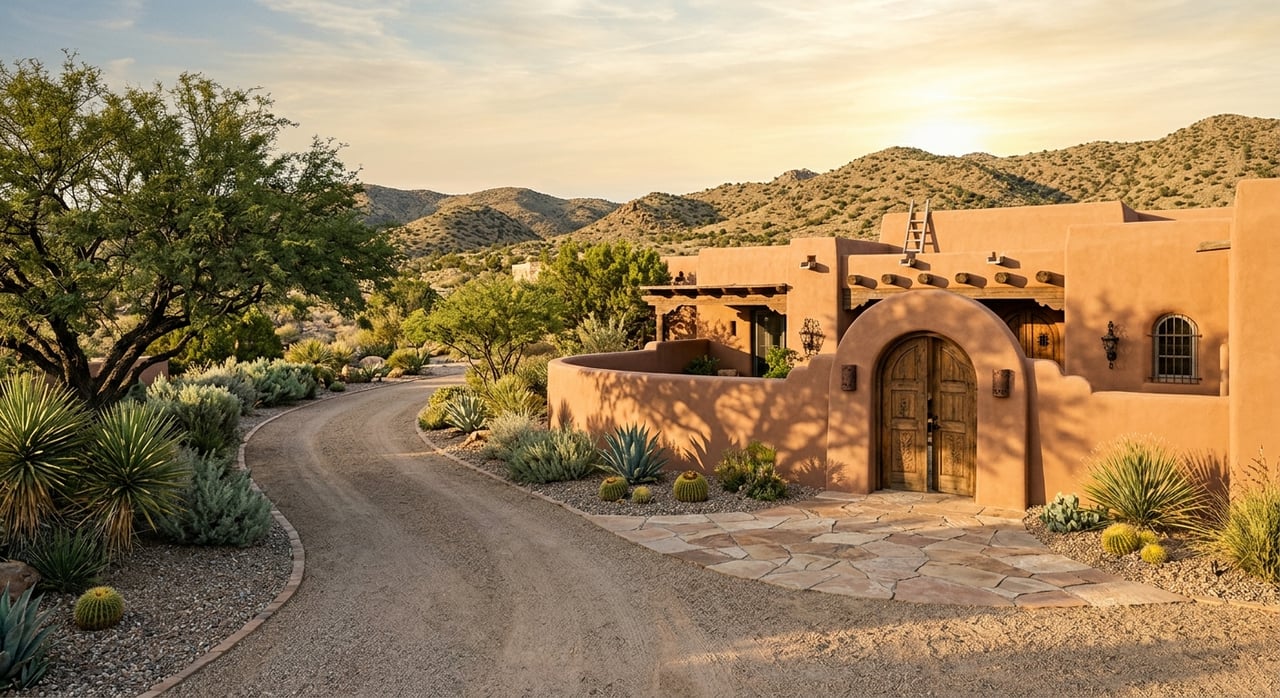
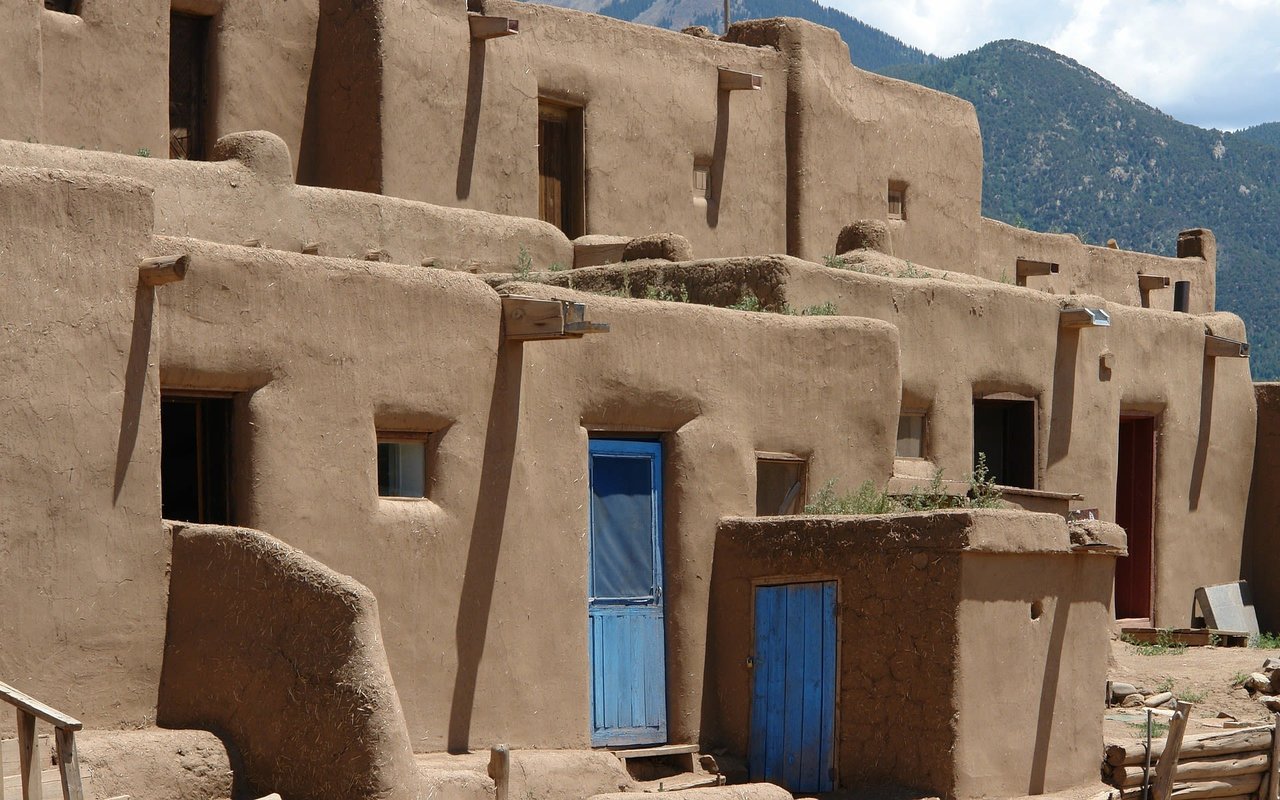
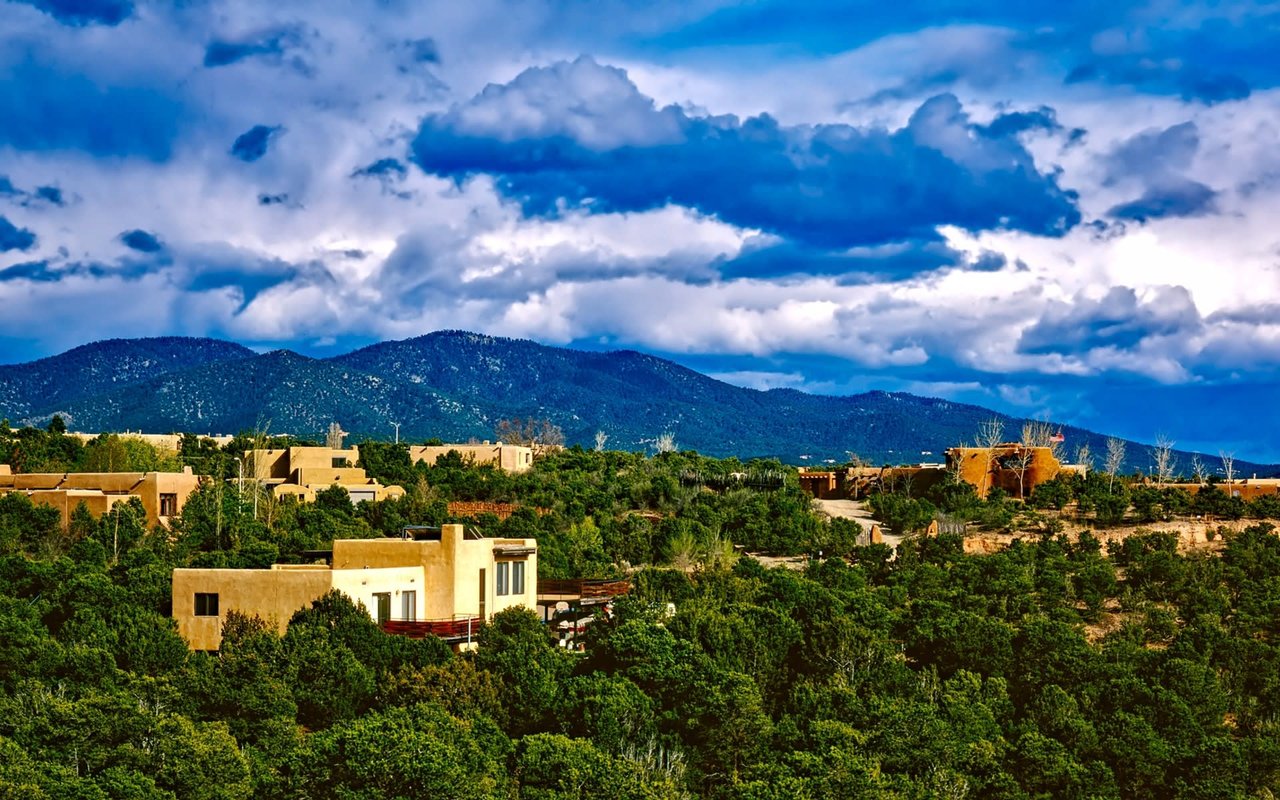
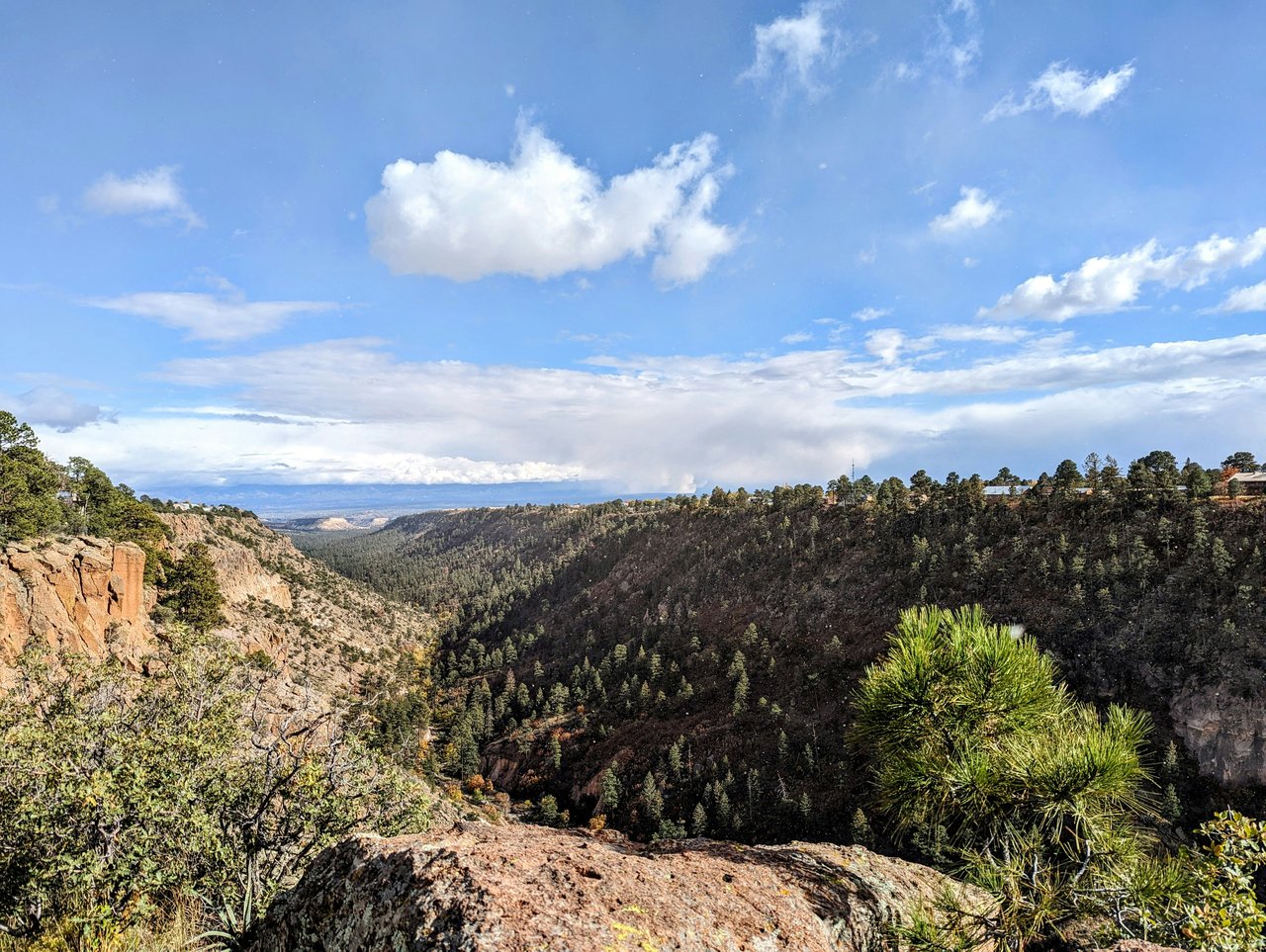
What sets this route apart is not only the drive itself, but the places along it. Piñon-juniper hills, open rock outcroppings, and long views shape the landscape, while communities like Madrid and Los Cerrillos give the corridor its distinct identity.
Why buyers are drawn here
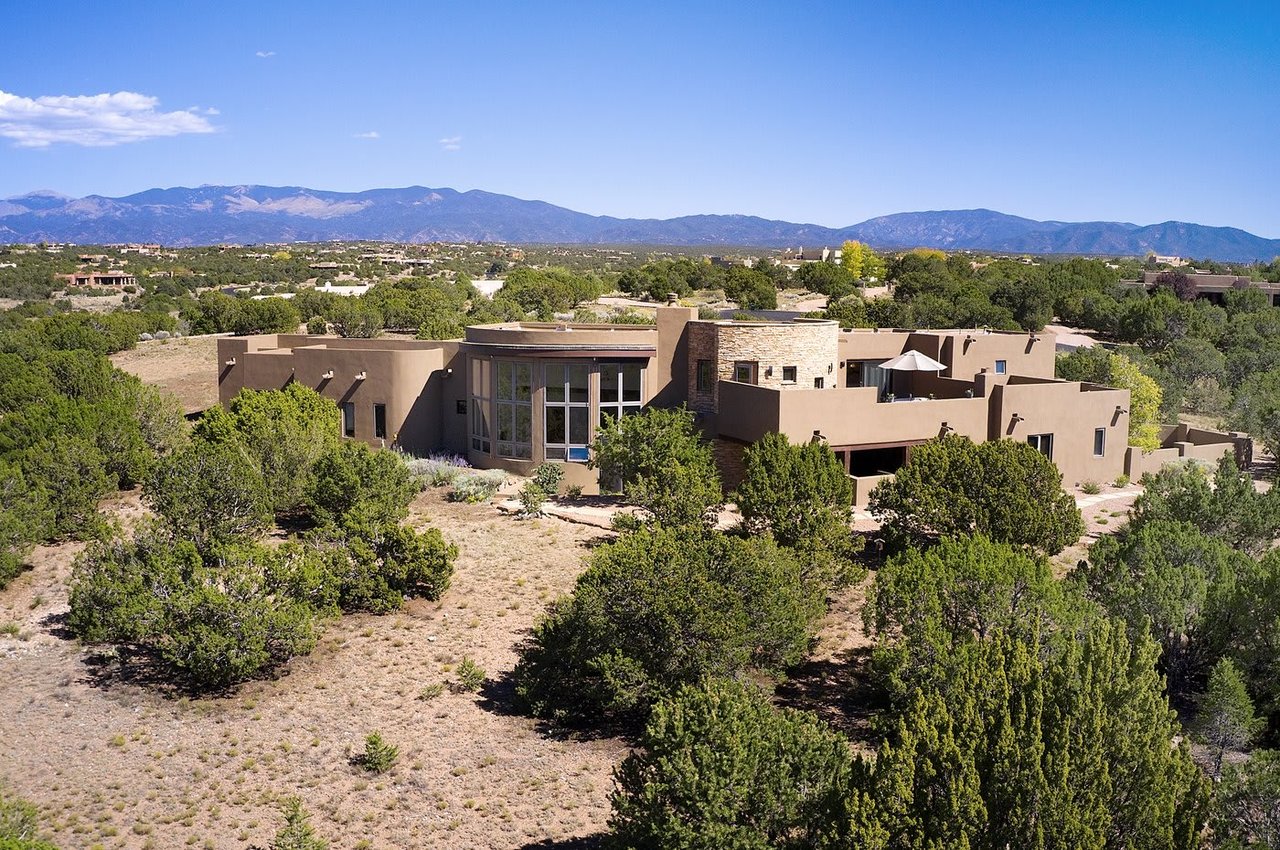
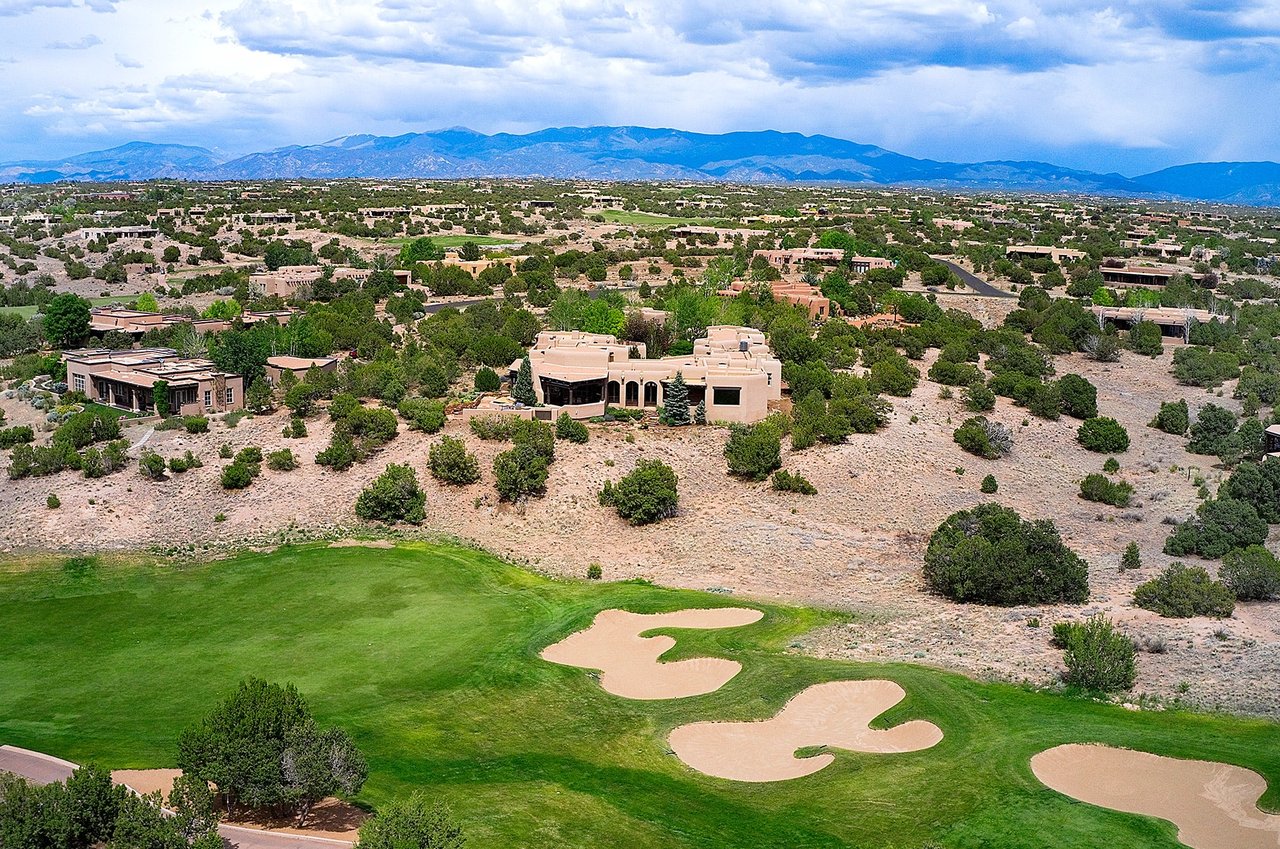
For many people, the appeal starts with space and atmosphere. This is a part of Santa Fe County where scenery, open land, and local character tend to matter more than suburban uniformity or dense retail convenience.
You may be looking for a weekend retreat, a full-time home with room to spread out, or land for a longer-term vision. In each case, the Turquoise Trail often attracts buyers who value privacy, landscape, and a lifestyle tied closely to place.
Madrid and Los Cerrillos feel distinct
Santa Fe County treats Madrid and Los Cerrillos as separate planning areas, each with its own adopted community plan. That matters because the corridor is not one interchangeable market. Each community has its own land-use patterns, priorities, and sense of identity.
Madrid: rural character with a creative core
Madrid’s community plan describes the area as rural and self-sufficient, with a strong focus on protecting natural surroundings, open vistas, water resources, and long-standing agricultural, livestock, and residential traditions. That framework helps explain why the area feels layered rather than master-planned.
In Madrid’s rural land-use areas, allowed uses include agricultural, equestrian, residential, ranch, very large-lot residential, ecotourism, and home occupations. In the Traditional Community area, the county aims to preserve a mixed pattern of lot sizes, shapes, and housing types, including clustered housing and family compounds, with limited commercial uses along NM-14.
Los Cerrillos: village scale and rural lots
Los Cerrillos has a similarly strong emphasis on a predominately residential village character. Its planning documents identify Rural Residential areas for single-family homes on large lots, rural subdivisions, agricultural and equestrian uses, and compatible home occupations.
The Traditional Community area also preserves a mixed pattern of lot sizes, shapes, and housing types, including clustered housing and family compounds. Older planning materials note historic 25-by-100-foot village lots in the core, while other districts use minimums such as three-quarter acre, two-acre, and ten-acre parcels.
Expect variety, not subdivision sameness
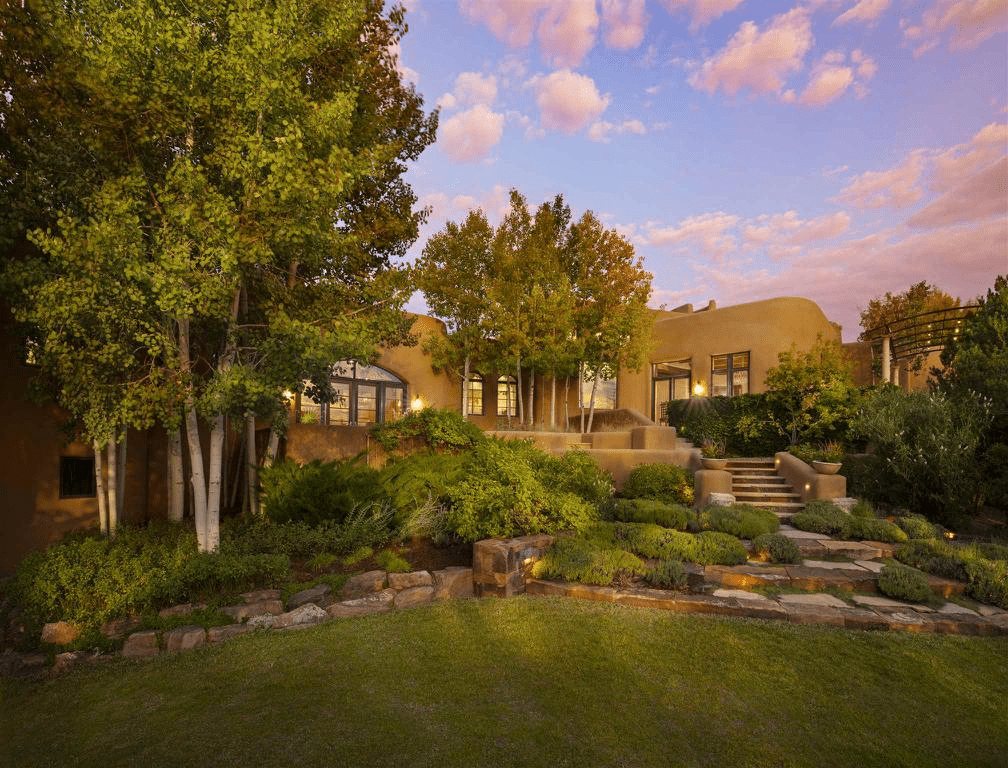
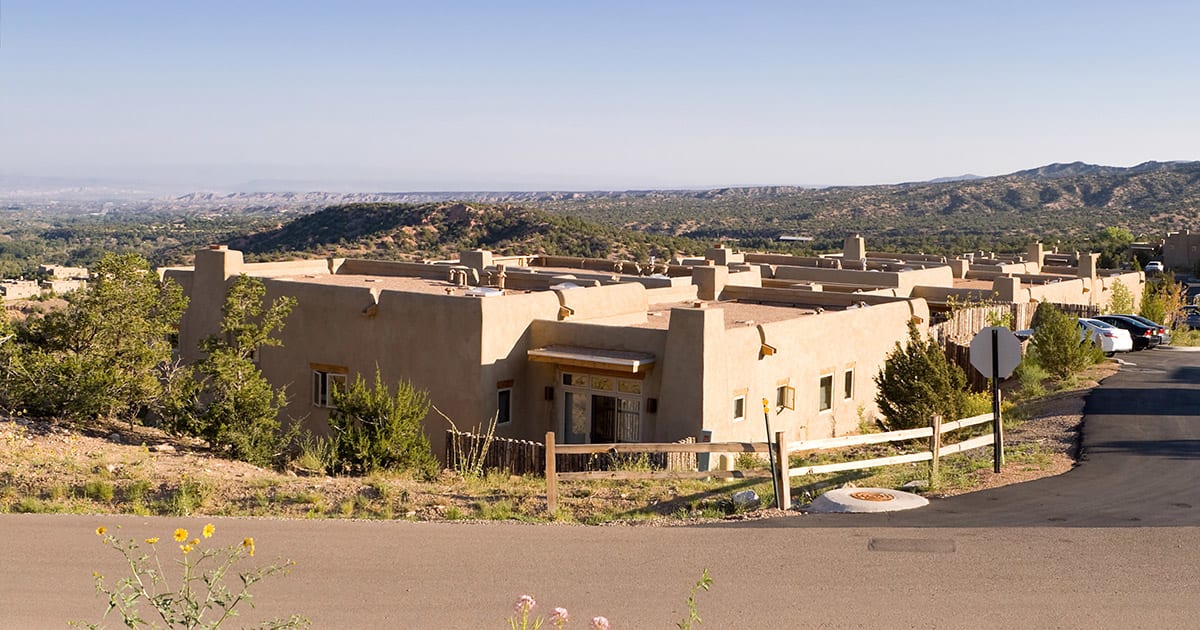
If you are used to conventional suburban neighborhoods, the Turquoise Trail can feel very different. The housing story here is shaped by land, village history, and flexible rural patterns rather than rows of similar homes on similar lots.
You may see:
- Historic village-core parcels
- Mixed lot sizes and shapes in traditional community areas
- Larger rural residential tracts
- Equestrian-friendly properties
- Ranch-style or acreage holdings
- Opportunities for family compounds in some areas
That variety is a major part of the corridor’s appeal. It can also mean that no two properties are quite alike, which makes local guidance especially valuable when you are comparing options.
Commuting from the Turquoise Trail
One of the most common questions buyers ask is whether you can live here and still commute. The short answer is yes, especially if Santa Fe is your main destination.
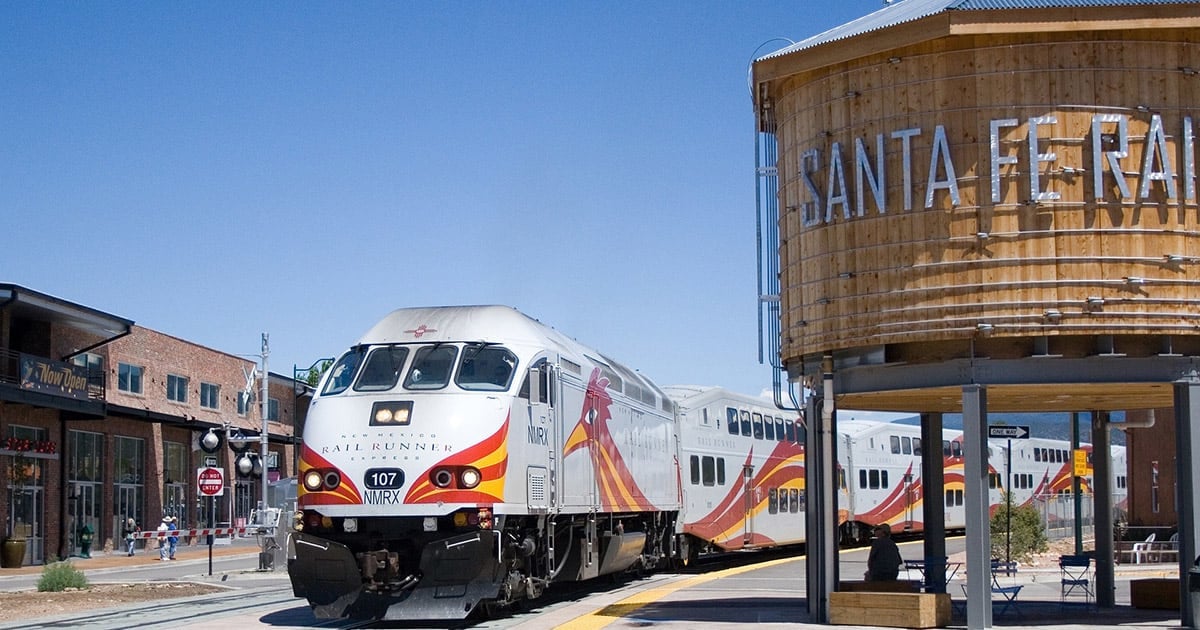
NCRTD Route 275 provides a fare-free, Monday-through-Friday bus connection from Madrid and Los Cerrillos to NM-599, Santa Fe Outlets, and Santa Fe Place Mall. That makes Santa Fe the most realistic transit-linked commute option along the corridor.
Albuquerque access is different. While the byway connects the two cities by road, the available county transit schedule does not show a direct Albuquerque route from these communities, so commuting south is primarily car-based.
Daily life is more lifestyle-driven
Life here tends to be more about setting and rhythm than convenience clustering. Official sources consistently emphasize scenery, art, open space, and rural character rather than dense commercial infrastructure.
That does not mean the corridor is isolated in every sense. Santa Fe County’s Madrid and Turquoise Trail volunteer fire districts serve the area, and the new Cerrillos Senior and Community Center opened in 2026 with gathering rooms, art and ceramics programming, senior services, and fire-service space for Cerrillos, Madrid, and nearby areas.
For many buyers, that mix is the point. You can enjoy a rural setting while still having some local civic infrastructure and a workable connection to Santa Fe.
Outdoor access is part of the appeal
If you spend your free time outside, the corridor has meaningful advantages. Cerrillos Hills State Park is a year-round day-use park between Santa Fe and Albuquerque, with five miles of trails, mining history, and views of the Sangre de Cristo, Jemez, Ortiz, and Sandia mountain ranges.
County materials also note the park’s 1,098 acres, horse trailer parking, and visitor center. More broadly, Santa Fe County’s open space system manages 9,400 acres, 18 parks, and 65 miles of trails, reinforcing the area’s outdoor orientation.
For buyers who want land access, riding potential, hiking, or simply a stronger connection to the landscape, that matters. It adds a layer of everyday value that can be hard to replicate in more built-up settings.
Horses and land use are realistic here
For some buyers, the question is not just where to live, but what kind of life a property can support. Along the Turquoise Trail, equestrian and rural land uses are not an afterthought in planning documents.
Madrid’s plan explicitly includes equestrian uses in rural areas. Los Cerrillos planning documents also include equestrian uses within rural residential areas. If you are searching for horse property, land for agricultural use, or a more flexible rural setup, this corridor may offer options that align with those goals.
Rural due diligence matters
The same features that make the corridor attractive also call for careful evaluation. Across planning documents for these communities, recurring issues include water availability, septic capacity, and road maintenance.
That does not mean every property comes with the same concerns. It does mean rural buyers should pay close attention to practical details that may not feel as central in a more conventional neighborhood.
When you are evaluating a property along the Turquoise Trail, key questions often include:
- What is the water source and capacity?
- What septic system is in place, and what is its condition?
- How is the road accessed and maintained?
- Is the lot in a village-style setting or a larger rural area?
- What uses are supported by the property’s planning area and setting?
These are the kinds of details that shape long-term enjoyment, carrying costs, and future flexibility.
Is the Turquoise Trail right for you?
The Turquoise Trail is often a strong fit if you want more than a house. It tends to appeal to buyers who are looking for landscape, breathing room, creative community character, and a home base that feels connected to Northern New Mexico’s rural side.
It may be especially compelling if you are considering a second home, a private retreat, a horse property, or a land purchase with long-term potential. At the same time, it helps to be comfortable with a lifestyle that usually prioritizes setting and individuality over suburban predictability.
If you are exploring the corridor, a tailored search can help you separate scenic appeal from property fit. That is especially true when lot patterns, access, and land-use context vary so much from one parcel to the next.
Whether you are searching for a home, acreage, or a more private foothold between Santa Fe and Albuquerque, Darlene Streit can help you navigate the Turquoise Trail with local insight and concierge-level guidance.
FAQs
Can you commute to Santa Fe from the Turquoise Trail in Santa Fe County?
- Yes. NCRTD Route 275 offers a fare-free weekday connection from Madrid and Los Cerrillos to NM-599, Santa Fe Outlets, and Santa Fe Place Mall, and many residents also commute by car.
Can you commute to Albuquerque from the Turquoise Trail communities?
- Yes, by car. The byway connects Santa Fe and Albuquerque by road, but the available county transit route does not show a direct Albuquerque bus connection from Madrid or Los Cerrillos.
What kinds of properties are common along the Turquoise Trail?
- Buyers may find everything from historic village-core lots to larger rural parcels, equestrian properties, and acreage-style holdings, depending on the community and setting.
Are horses allowed in parts of the Turquoise Trail corridor?
- Yes. Santa Fe County planning documents for both Madrid and Los Cerrillos include equestrian uses in certain rural areas.
What should buyers review before purchasing rural property on the Turquoise Trail?
- Pay close attention to water availability, septic capacity, road access, and road maintenance, since those issues appear repeatedly in local planning documents for the corridor.
Is life on the Turquoise Trail more about lifestyle than convenience?
- Generally, yes. Official sources describe the corridor in terms of scenery, open space, art, and rural character rather than dense suburban infrastructure.