"Adding another 33 units... that's basically close to another 100 people who are going to be driving in at 2 o'clock in the morning, just getting out of their cars and making a lot of noise just getting to their apartments." That was Jean McCray, describing her fear of what an expanded Axton Apartments complex would mean for her block on Camino de los Marquez. Her math was simple: more units, more headlights, more slammed car doors at odd hours.
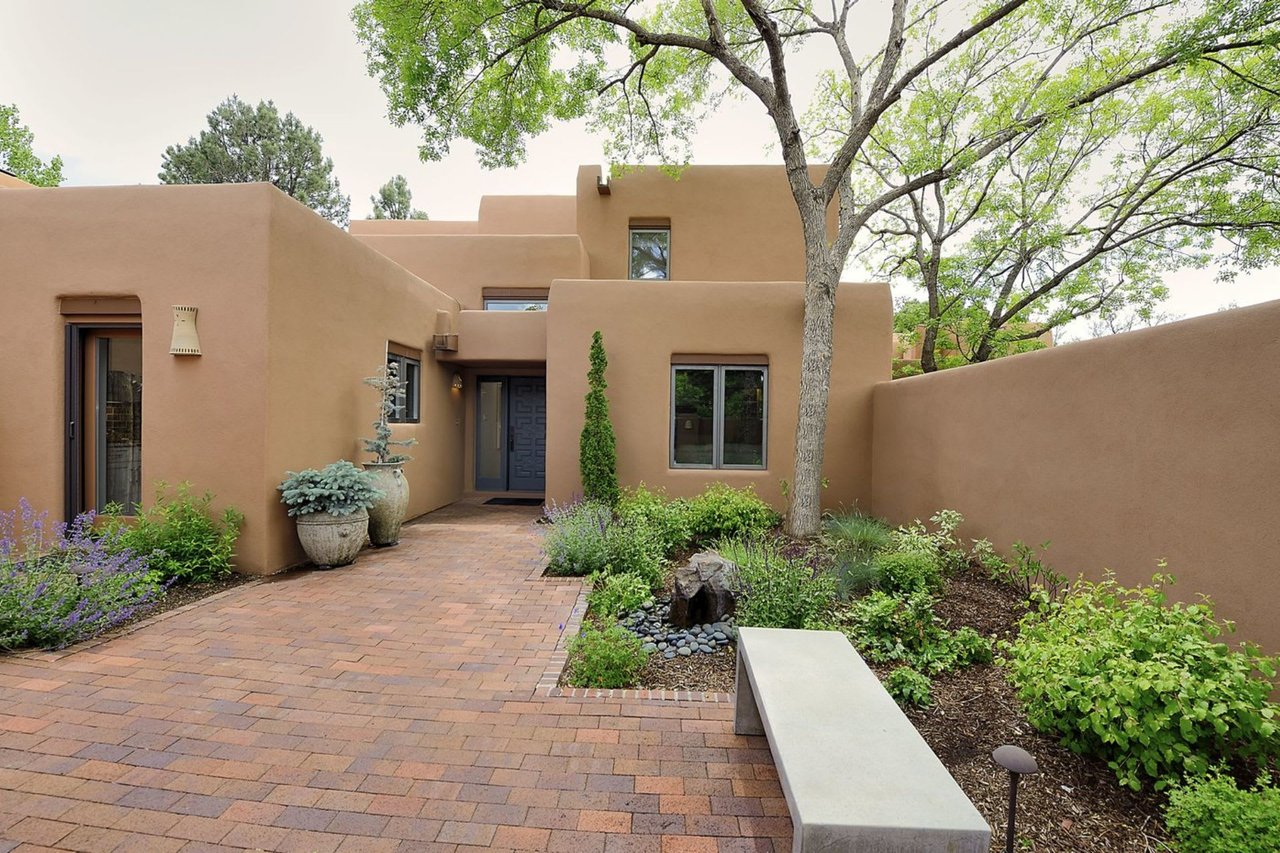
Her math was also, in a specific and interesting way, off. The zoning arithmetic behind this project doesn't work the way most South Capitol residents assumed when the plan first surfaced, and the people who end up living there for most of the year aren't who you'd expect either. If you've walked past the low, sun-faded apartment buildings behind the trees on Camino de los Marquez and figured this was a simple teardown-and-rebuild, there's more happening on that 2.5-acre parcel than a bigger footprint.
The Vote Is In, and the Math Doesn't Quite Add Up
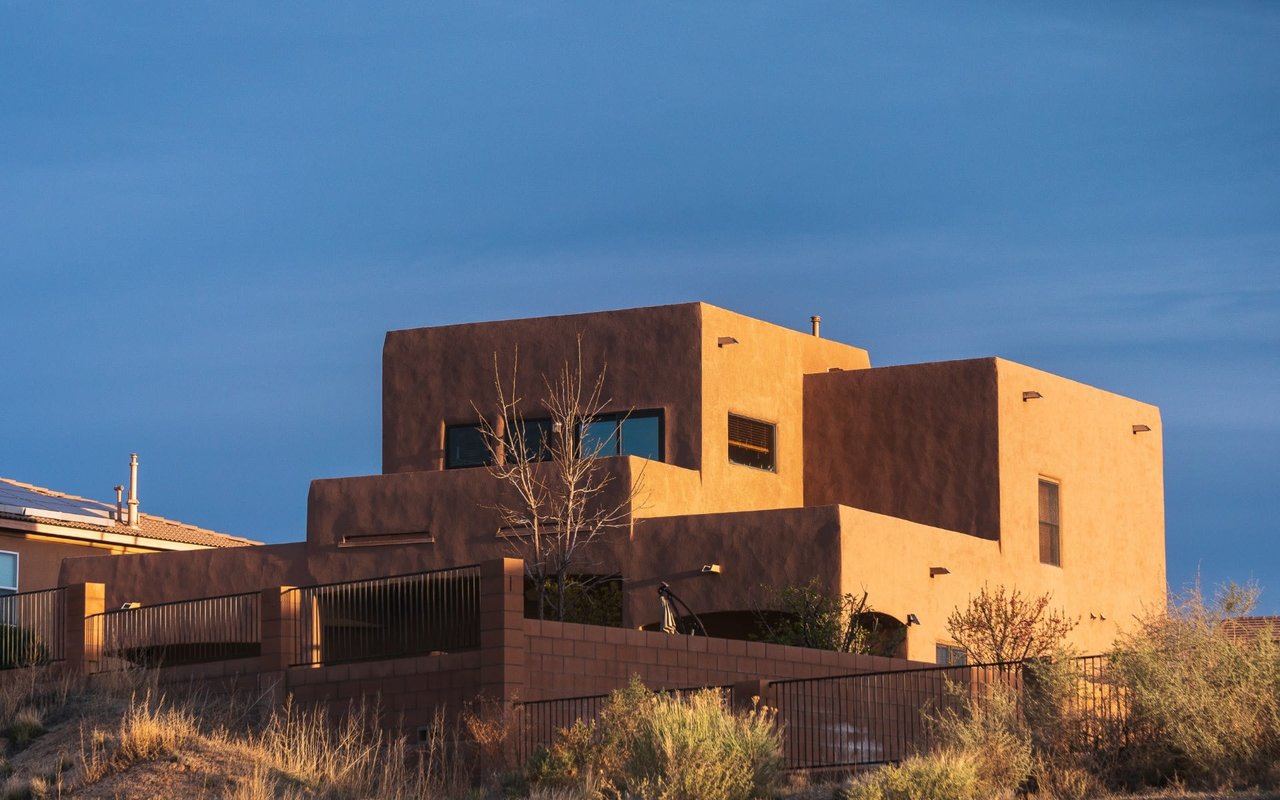
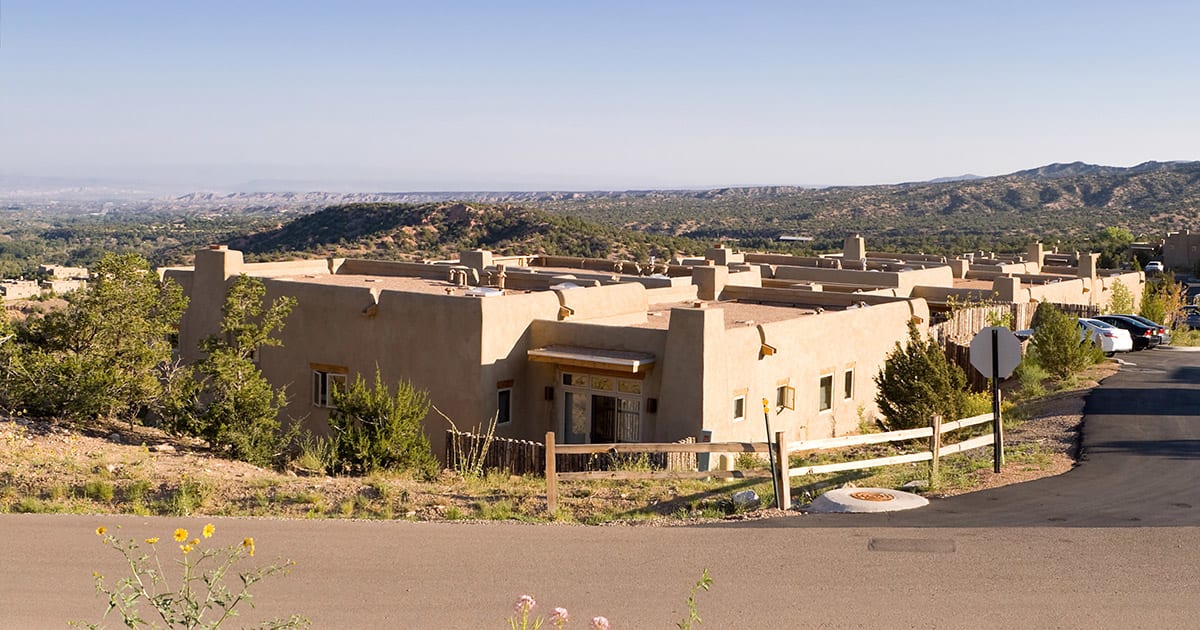
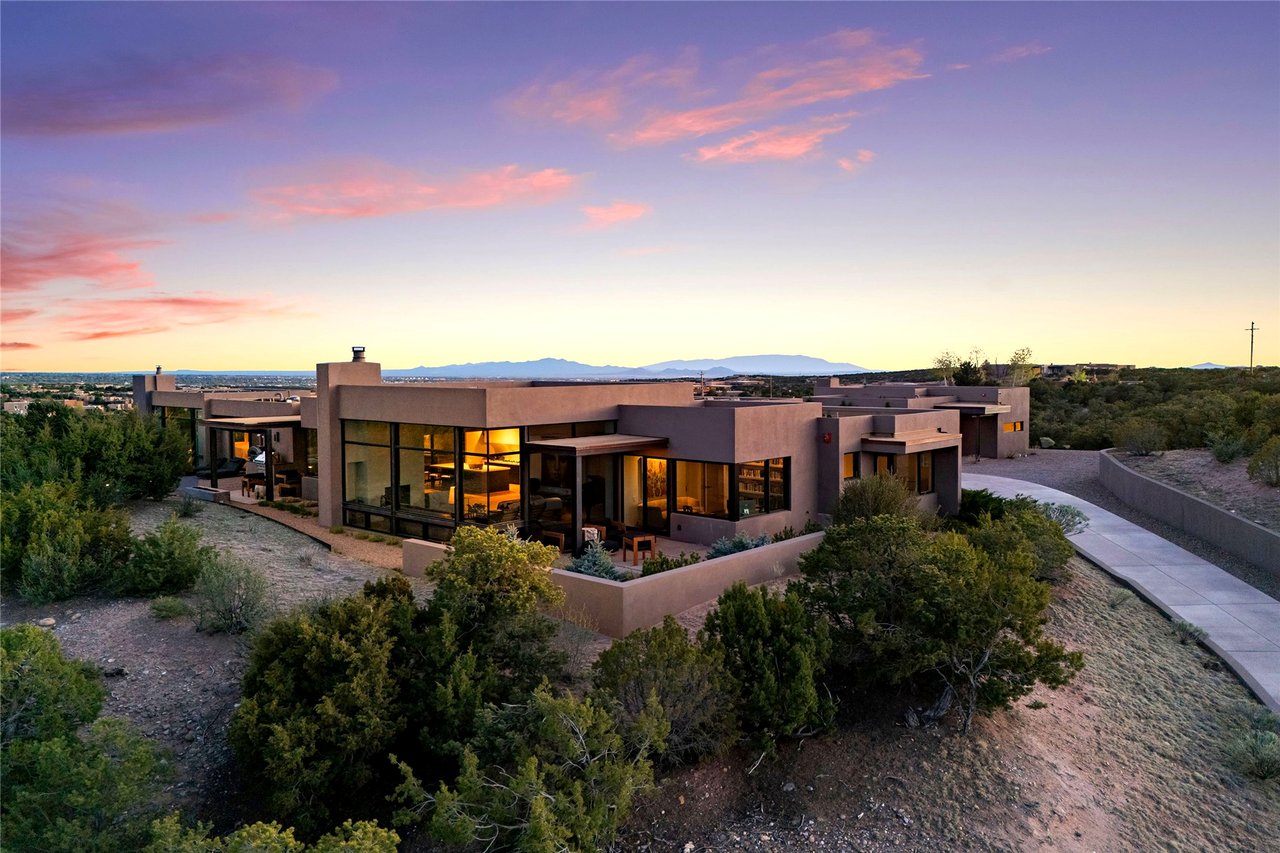
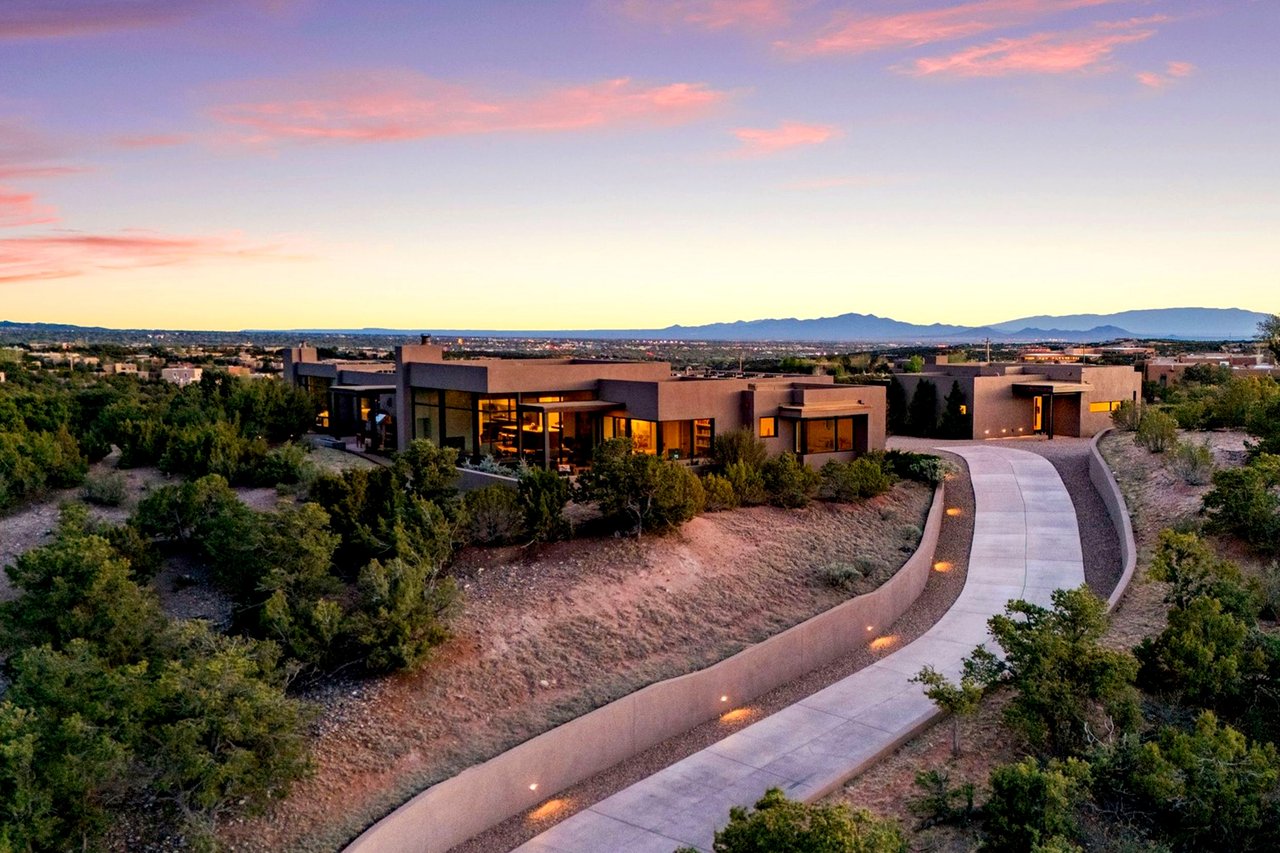
The Santa Fe Planning Commission voted 4-0 to approve the Santa Fe Opera's application to redevelop the Axton Apartments, the aging complex at 214 Camino de los Marquez that the opera has owned since 2001. The plan tears down all five of the existing two-story buildings, built back in 1982, and replaces them with two L-shaped, three-story structures. Unit count goes from 50 to 83.
Here's where the numbers get interesting. The rezoning takes the parcel from R-21 (21 dwelling units per acre) to R-29 (29 units per acre). Multiply 2.51 acres by 29 and you get roughly 73 units, not 83. A resident raised exactly that discrepancy during one of the public meetings, and the answer from the opera's land use planner, Jennifer Jenkins of JenkinsGavin Inc., was that city rules include a 15 percent density bonus on multifamily projects, even when the developer satisfies the affordability requirement by paying a fee in lieu rather than building affordable units on site. That bonus is automatic. Every multifamily project in a residential zone gets it, whether or not a single deed-restricted unit ever gets built. It's the kind of detail that explains why a rezoning that looks like a 38 percent jump in density on paper actually delivers a 66 percent jump in units on the ground, and it's not something you'll find spelled out on a listing sheet or a neighborhood association flyer.
Two Stories, Three Stories, and a Missing Summer
The opera's general director, Robert Meya, has described the existing Axton buildings bluntly: poorly constructed, poorly insulated, with roofing and stucco needing constant repair, and electrical systems that can't support air conditioning. That last point matters more than it sounds. Santa Fe's summer nights have been getting hotter, and Meya has said the lack of cooling makes it hard for opera apprentices to sleep during the run of the season.
Demolition is scheduled to start in September 2026, timed to begin right after the current opera season wraps and the technical apprentices move out. From there, construction is meant to move quickly, with a completion target of April 2028, positioned so the new buildings are ready in time for the 2028 summer season. That timeline has a gap most residents haven't clocked: the old buildings will be gone and the new ones won't be finished in time for the 2027 season, which means the opera will need to find alternative housing for its apprentices that one summer. For one year, Camino de los Marquez won't have the seasonal rhythm of interns arriving each May and clearing out each August. It will have a construction site instead.
Who Actually Moves In When the Opera Season Ends
Here's the part of the plan that changes the character of the block more than the extra floor does. During the opera's off-season, which runs roughly from September through May, the new units won't sit empty. Meya has said the property will be available to rent to traveling nurses, visiting state lawmakers, artists, and filmmakers, essentially anyone who needs temporary housing in Santa Fe for a stretch of months. City land use director Heather Lamboy has clarified that these six-month leases don't fall under the ordinance regulating short-term rentals. Instead they're classified as "intermediate" housing, a distinct category from both long-term rentals and the vacation rentals the city has spent years trying to rein in.
That classification matters because it means Axton won't function like the short-term rental properties that have drawn complaints elsewhere in Santa Fe, with weekend turnover and tourist traffic. It also won't function like a typical apartment building with year-round leases and a settled tenant base. It's something in between: a rotating population of half-year renters, most of them here for work rather than vacation, cycling through on a schedule set by legislative sessions and hospital staffing needs rather than the opera calendar. For neighbors who've spent decades getting used to the predictable churn of young opera apprentices every summer, this is a genuinely different kind of turnover to adjust to, even if the building next door looks similar from the street.
Not everyone in the neighborhood is convinced the arrangement fits. Resident Hope Reed described the density as feeling more like a hotel than a neighborhood building, and said that kind of project belongs on Cerrillos Road rather than tucked into a residential block. Deb Goldstein raised a related concern, noting that the absence of any deed-restricted affordable units in the plan sits awkwardly next to Santa Fe's ongoing housing cost pressures. Those aren't small objections, and they're worth knowing if you find yourself at a future notification meeting for this project or another one nearby.
The Blocks Around It Aren't Waiting
For the next year and a half, the immediate stretch of Camino de los Marquez will look and sound like a construction zone. But South Capitol is bigger than one parcel, and the neighborhood's daily anchors aren't pausing for it.
Harvey Cornell Rose Park, a few blocks over on Galisteo Parkway, has been part of the neighborhood's routine since 1957, when it was built to help beautify the newly platted subdivision. The Santa Fe Extension Master Gardeners have maintained the rose beds alongside the Santa Fe Rose Society since 2010, and the park still draws the same mix of dog walkers, picnickers, and the occasional Tai Chi group it always has. It's an easy detour if Camino de los Marquez gets loud with equipment trucks over the coming construction seasons.
Wood Gormley Elementary keeps drawing families to these tree-lined streets for the same reason it always has, and the walk there from most South Capitol addresses hasn't changed. Along Cordova Street and the surrounding blocks, the neighborhood's short list of independent spots, Clafoutis for pastries and coffee, Restaurant Martín for a seasonal dinner menu, Saveur Bistro for breakfast and lunch, and Kaune's Grocery for everyday errands, are all still exactly where they've always been, within an easy walk of a house that isn't going anywhere.
The Axton rebuild is a real disruption for the immediate blocks around it, and residents who live closest should plan on two construction seasons of noise and dust before the new buildings open in 2028. But the story here isn't simply bigger equals louder. It's that the arithmetic behind the project, from the density bonus to the intermediate lease category, produces a different neighbor mix than the "more opera interns" framing most people started with. Knowing the difference between a temporary construction headache and a permanent shift in who lives on your street is worth fifteen minutes of reading city planning documents, or five minutes with this piece.
If you're weighing what a project like this means for a property you own in South Capitol, or you're curious how neighborhood-level changes like this one tend to affect value over time, Darlene Streit - Second Site has been tracking Santa Fe's zoning and development patterns block by block for years. Request a private consultation to talk through what's actually happening on your street.