Every online guide to Casa Alegre says roughly the same thing about where to spend a Friday night: walk over to Rowley Farmhouse Ales. It shows up in neighborhood write-ups the way a landmark shows up on a map, unquestioned, permanent, the one name every list agrees on. That agreement is about to be wrong. After ten years on Maclovia Street, Rowley Farmhouse Ales is packing up and moving across town, and the reason it's leaving says more about how this neighborhood actually works than any of those guides ever did.
The Bar Every List Points To, Tucked Where Nobody Could Find It
Here's the detail those guides tend to skip: Rowley's was never easy to find. It sits behind what used to be an AutoZone, on a residential-looking stretch off the Cerrillos Road alignment of old Route 66, the kind of address you need a friend to text you before you'll trust your GPS. A Santa Fe Reporter food critic once admitted as much in print, writing that she couldn't picture a tourist making the trip that far down Cerrillos and along a quiet side street to find the place. The Reporter went back anyway, more than once, and the verdict stuck: Rowley Farmhouse Ales rules.
That obscurity was never a flaw. It was the business model. Co-owners John Rowley, a chemist turned brewer, and chef Jeffrey Kaplan built a farm-to-table gastropub and taproom on a street most outsiders would never wander down on purpose, and it worked precisely because the rent behind an old auto parts store was the kind of rent a small independent brewery could survive on. In ten years there, Rowley's picked up multiple Great American Beer Festival medals, two golds among them, plus recognition as New Mexico's Small Brewpub Brewer of the Year in 2019 and repeat nods in the Santa Fe Reporter's own Best of Santa Fe rundown. None of that required foot traffic. It required a lease that made sense.
What Actually Pushed Them Out
The lease stopped making sense on July 1 of this year. When it came up for renewal, the landlord raised the rent by an amount Rowley has described plainly as too steep to justify staying. This wasn't a business in retreat. Less than a year earlier, in the fall of 2025, Rowley's had hired a new general manager, Brian Marchetti, a veteran of Coyote Cafe and Santacafé, and rolled out a craft cocktail program along with a weekday happy hour. That's an investment posture, not a business winding down. The rent increase simply outran what a neighborhood gastropub tucked behind a defunct AutoZone could absorb.
So by spring 2027, Rowley Farmhouse Ales will reopen at the Pecos Trail Inn, in the space currently known as the Pecos Trail Café, on the Old Pecos Trail alignment of Route 66. It's a newly renovated 23-room motor lodge with a pool, the opposite of hidden. The new location comes with a private dining room built for around 50 people, room for the karaoke nights and quinceañeras Rowley has talked about hosting, and a promise from both owners that the beer, the scratch-made food, and the name all make the move intact. What doesn't survive the move is the address that made Casa Alegre residents feel like Rowley's belonged specifically to them.
The Real Lesson for Casa Alegre
This is the part worth sitting with if you live here. Rowley's departure isn't a wound to the neighborhood's identity, because Rowley's was never really structured around that identity to begin with. It sat on the edge of Casa Alegre, chosen for cheap square footage rather than neighborhood centrality, and its regulars came from all over town willing to make the trek down Cerrillos. What it leaves behind isn't a hole in the middle of daily life here. It's a reminder that the things a real estate listing calls a neighborhood's defining amenity can be more contingent than they sound, dependent on one landlord's rent decision rather than any lasting commitment to the block.
What actually structures a week in Casa Alegre has very little to do with any single bar. It's the park system, which nobody's landlord can price out:
- Frenchy's Field, sixteen acres along the Santa Fe River with a community garden, a labyrinth, a horse sculpture, and a resident population of prairie dogs that pop up along the walking loop
- Ashbaugh Park, along the neighborhood's eastern edge, with open fields and its own trail connections
- Maclovia and Cielo Vista parks, the smaller green spaces threaded through the residential grid
- Gregory Lopez Park, part of the larger network tying the neighborhood together
- The Santa Fe Pollinator Trail, which runs directly through Casa Alegre
Those spaces don't depend on a ten-year lease surviving a rent hike. Neither does the commercial stretch along Cerrillos that actually anchors daily errands: Jambo Café at the College Plaza Shopping Center, serving a Caribbean and African menu that includes mahi-mahi wrapped in banana leaves, the Smith's grocery next door, and Artisan Santa Fe, the city's art supply store since 1975, still running workshops out of the same location it's held for decades. None of these are going anywhere. They were never the fragile part of the story.
There's also a longer-range project worth watching rather than assuming. City plans called for extending the Santa Fe River Trail roughly two more miles west toward San Ysidro Crossing and Agua Fria Park, with an original target of late 2025. As of this year that extension still hadn't opened, which is its own small lesson: infrastructure promises move slower than a brewery's lease renewal, and it's worth checking current trail conditions yourself before planning a route around a segment that may not be finished yet.
The Wider Corridor Is Also in Motion
Casa Alegre sits close enough to the old College of Santa Fe campus, now known as Midtown, that its own transformation is worth a mention. The city has been working through what to do with the 64-acre site's cultural anchors, including the long-dormant Greer Garson Theatre, with local performing arts groups like Exodus Ensemble already staging productions in temporary space at Aspect Media Village while the city studies a full renovation. It's a slower, more institutional version of the same story: a piece of this side of town figuring out its next chapter in public, lease by lease, plan by plan, with no guarantee that what's there in five years looks like what's there now.
What This Fall Actually Looks Like
Rowley's isn't gone yet. The move is set for spring 2027, which means there's still a full fall and winter to make the trip down Maclovia before the address changes for good. The smart move for anyone who's put off a visit is to go now, order the clam chowder Kaplan's kitchen is known for, and treat the current location like what it is: a chapter closing on a schedule you can actually plan around, not an emergency. Pair it with a morning loop around Frenchy's Field while the cottonwoods along the river are turning, and you've got as accurate a picture of Casa Alegre in September as any guide will give you.
The neighborhood isn't losing its character. It's losing one business's specific address, and gaining a clearer sense of what was always load-bearing here versus what just happened to be nearby.
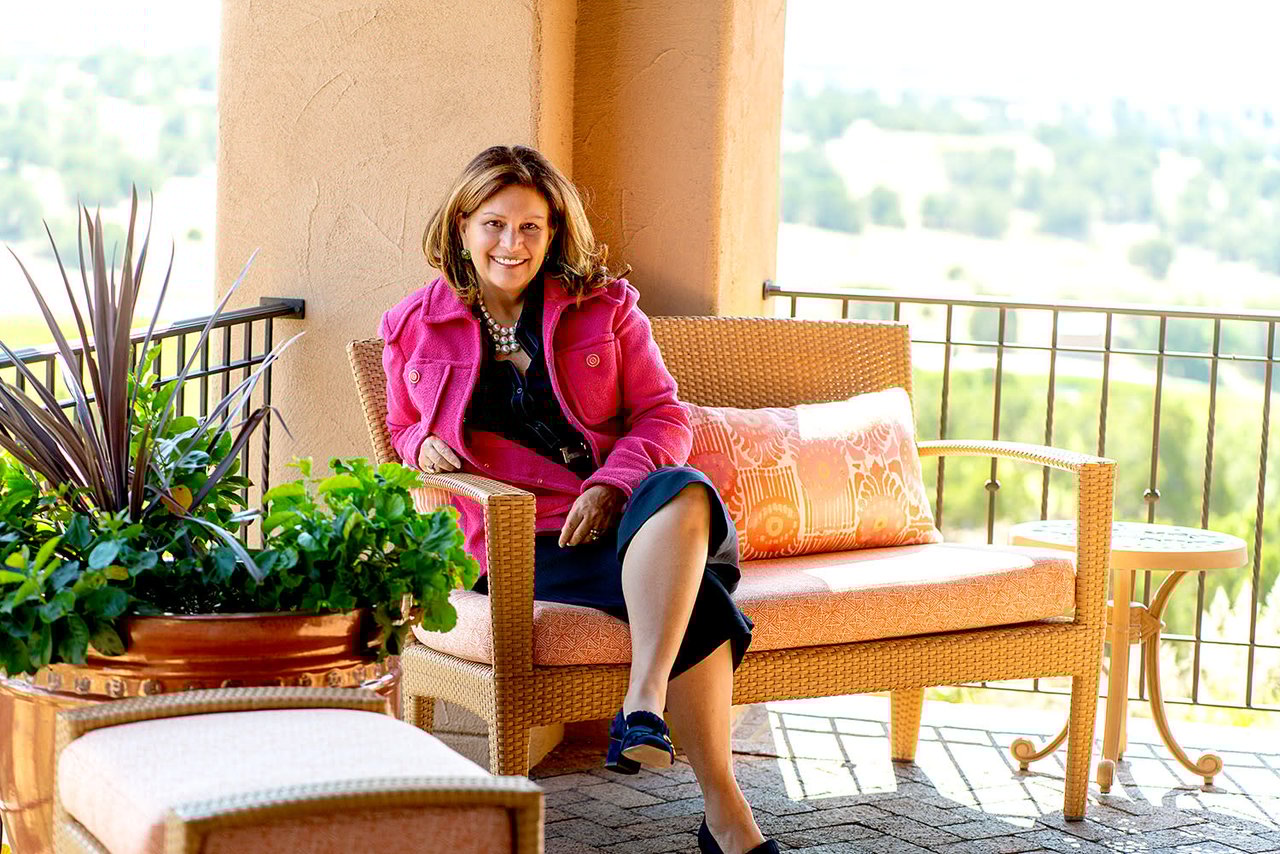
If you're curious about what else is shifting in this pocket of Santa Fe, or thinking ahead to a move into or out of the area, Darlene Streit has spent decades tracking these blocks street by street. Request a private consultation any time you want a conversation grounded in what's actually happening here, not what a listing description assumed five years ago.